
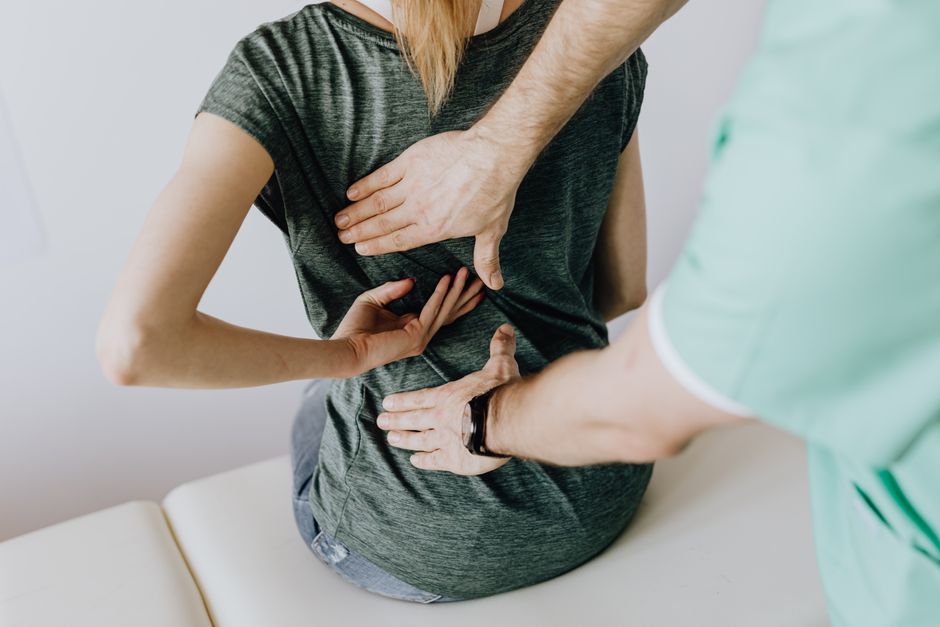
Many women feel low back pain during their period. It can be a dull ache or a sharp cramp. This happens because the uterus contracts to shed its lining. Those contractions can cause pain that radiates to the lower back. The back pain is real, and there are clear reasons why it happens.
Why Do I Get Back Pain During My Period?
The main reason is simple: your uterus and lower back share the same nerve pathways. When your uterus contracts during menstruation, the pain signals travel along these nerves. Your brain can interpret the signals as coming from your lower back instead of from the uterus. This is called referred pain.
In addition, the uterus sits right in front of the lower spine. When the uterine muscle tightens and relaxes during cramps, it can put pressure on nearby structures. The sacrum and pelvic ligaments can become irritated. This adds to the back pain you feel.
Another factor is the release of chemicals called prostaglandins. These hormone-like substances trigger uterine contractions. High levels of prostaglandins cause stronger contractions and more pain. They can also cause inflammation in the pelvic area, which can spread to the lower back.
What Role Do Prostaglandins Play?
Prostaglandins are natural chemicals your body makes. During your period, the lining of your uterus produces them to help it shed. They make the uterine muscle contract. The more prostaglandins you have, the stronger the contractions and the more pain you may feel.
Prostaglandins also cause inflammation. This inflammation can affect the pelvic organs and the surrounding tissues. The lower back is close to the uterus, so the inflammation can make back pain worse. Some research suggests that women with higher prostaglandin levels during their periods tend to have more severe cramps and more back pain.
Nonsteroidal anti-inflammatory drugs (NSAIDs) like ibuprofen and naproxen work by blocking the production of prostaglandins. This is one reason they are effective for period pain, including back pain.
Is Back Pain During Your Period Normal?
Yes, it is common. Many women experience some degree of low back pain along with menstrual cramps. Mild to moderate back pain that goes away after your period ends is considered a normal part of the menstrual cycle.
But there is a difference between normal discomfort and severe pain that interferes with your daily life. Severe back pain during your period may be a sign of an underlying condition. If your back pain is severe enough to keep you from work, school, or normal activities, it is worth discussing with your doctor.
Normal period back pain usually starts a day or two before your period and lasts for the first few days of bleeding. It tends to improve as your period continues.





What Conditions Can Cause Severe Period Back Pain?
Endometriosis is one of the most common causes of severe period pain, including back pain. In endometriosis, tissue similar to the uterine lining grows outside the uterus. This tissue can attach to the ovaries, fallopian tubes, and the ligaments that support the uterus near the sacrum. When you have your period, this misplaced tissue bleeds and inflames the surrounding area, causing intense cramping and back pain.
Adenomyosis is another condition. Here, the uterine lining grows into the muscular wall of the uterus. This makes the uterus larger and more tender. Periods can be very heavy and painful, with strong cramping that radiates to the lower back.
Uterine fibroids are noncancerous growths in or on the uterus. They can cause pressure and pain, especially if they are large or located near the back of the uterus. This can lead to low back pain during periods.
Pelvic inflammatory disease (PID) is an infection of the reproductive organs. It can cause chronic pelvic pain that may worsen during your period and radiate to the lower back.
If your back pain is new, getting worse over time, or accompanied by other symptoms like heavy bleeding, pain during sex, or fever, you should see a doctor for an evaluation.
What Treatments Help Lower Back Pain During Your Period?
NSAIDs are the first-line treatment for period pain. Ibuprofen and naproxen are available over the counter. They work best if you start taking them at the first sign of pain or even a day before your period is expected. Follow the dosing instructions on the label. NSAIDs reduce prostaglandin production, which decreases cramping and back pain.
Heat therapy is simple and effective. A heating pad on your lower back or a warm bath can relax the muscles and ease the pain. Heat increases blood flow to the area, which helps reduce muscle tension.
Gentle exercise like walking, stretching, or yoga can help. Movement increases blood circulation and releases endorphins, which are natural pain relievers. Some women find that light exercise reduces the intensity of back pain during their period.
Hormonal birth control is an option for women who need more consistent relief. Birth control pills, patches, rings, and hormonal IUDs can make periods lighter and less painful. They work by suppressing ovulation and thinning the uterine lining, which reduces prostaglandin production. Many women report significant reduction in all types of period pain, including back pain.
For severe cases, doctors may prescribe stronger pain medication or other treatments. Some clinicians recommend transcutaneous electrical nerve stimulation (TENS) units, which deliver mild electrical pulses to the skin and may interrupt pain signals. The evidence for TENS on period pain is limited but some women find it helpful.
What Natural Remedies May Provide Relief?
Some research suggests that ginger powder may reduce period pain. A few small studies found that taking ginger capsules during the first few days of your period was as effective as ibuprofen for some women. The evidence is not strong enough to recommend it as a standard treatment, but it may be worth trying if you prefer natural options. Check with your doctor before taking any supplement.
Chamomile tea is commonly used for relaxation. It contains compounds that may help reduce muscle spasms. There is no rigorous evidence that it directly treats period back pain, but it is safe and may provide comfort.
Acupuncture has been studied for period pain. Some studies suggest it may help reduce pain intensity, but the overall quality of the evidence is mixed. If you are considering acupuncture, look for a licensed practitioner who has experience with menstrual disorders.
Dietary changes like reducing salt, caffeine, and alcohol during your period may help with bloating and inflammation, which could indirectly ease back pain. No large trials confirm this, but many women report feeling better with these adjustments.
It is important to be honest about the limits of natural remedies. No high-quality clinical evidence confirms that any herbal supplement, diet, or alternative therapy is consistently effective for period back pain. Use these approaches as supplements to proven treatments, not as replacements.
How Can You Tell If Your Back Pain Is Period-Related or Something Else?
If your back pain follows the same pattern each month, starting just before your period and easing after bleeding ends, it is likely related to menstruation. The pain is usually in the lower back, sometimes traveling to the hips or thighs.
Back pain from other causes, such as a muscle strain or spinal problem, does not follow a monthly cycle. It may be triggered by activity or last for weeks or months at a time. If your back pain does not improve when your period ends, or if it does not come with other menstrual symptoms like cramps or bloating, see a doctor.
Red flags include: sudden severe back pain, back pain with fever or chills, numbness or weakness in your legs, or loss of bladder or bowel control. These symptoms require immediate medical attention.
Does Stress Make Period Back Pain Worse?
Stress can increase muscle tension throughout your body, including your lower back. During your period, stress may amplify the pain you already feel. Cortisol and other stress hormones can also affect your menstrual cycle and make cramps more intense.
Relaxation techniques like deep breathing, meditation, or gentle stretching may help reduce stress-related muscle tension. While these methods do not treat the underlying cause of period back pain, they can make the pain more manageable for some women.
Frequently Asked Questions
How long does period back pain last?
For most women, it lasts one to three days, starting just before or at the beginning of the period. It usually resolves as the bleeding lightens.
Can exercise make back pain worse during your period?
Gentle exercise like walking or stretching typically helps by increasing blood flow and releasing endorphins. High-impact or very strenuous activity may worsen pain for some women, so listen to your body.
Does heat help period back pain?
Yes, heat therapy is one of the most effective non-medication treatments. A heating pad on the lower back for 15-20 minutes can relax muscles and reduce pain.
When should I see a doctor for period back pain?
See a doctor if the pain is severe enough to prevent you from daily activities, if it gets worse over time, or if you have heavy bleeding, pain during sex, or other unusual symptoms.
