
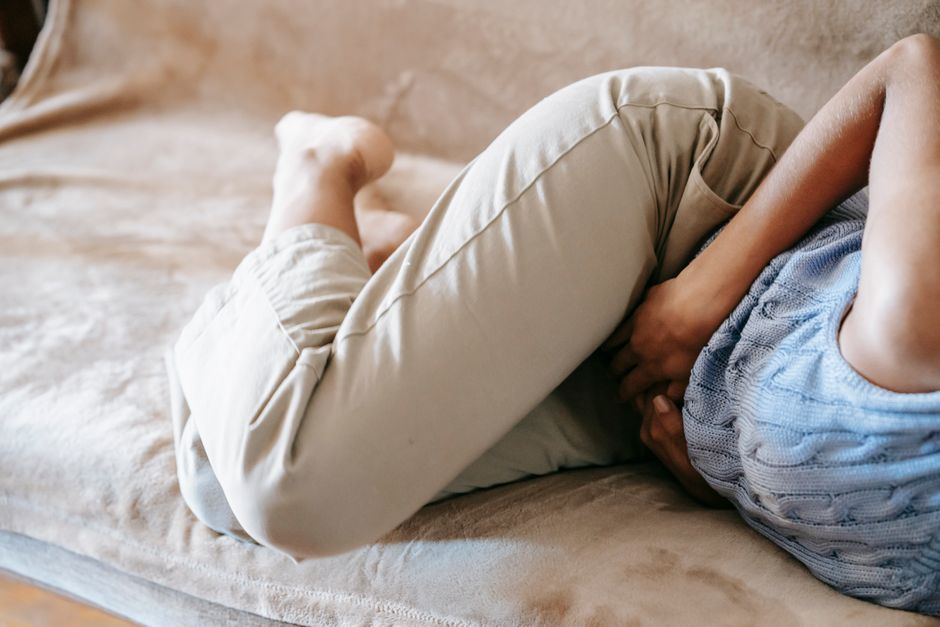
Endometriosis is a chronic condition where tissue similar to the lining of the uterus grows outside it. That tissue responds to hormonal cycles, thickens, breaks down, and bleeds — but because it has no way to leave the body, it causes inflammation, scar tissue, and pain. There is no cure. However, current clinical approaches can meaningfully reduce pain and improve quality of life for many people. Treatment usually combines pain management, hormonal therapy, surgery in some cases, and supportive care.
What Actually Happens in Endometriosis?
The uterus is lined with tissue called endometrium. In endometriosis, tissue that resembles endometrium grows in places it should not — most often on the ovaries, fallopian tubes, the outer surface of the uterus, the bowel, or the tissue lining the pelvis.
This misplaced tissue behaves like the normal uterine lining. It thickens with estrogen, breaks down, and bleeds during each menstrual cycle. But unlike a period, this blood has no exit. It stays in the pelvic cavity, triggering inflammation, irritation, and over time, scar tissue and adhesions that can bind organs together.
The severity of visible disease does not match the severity of pain. Some people with extensive adhesions report mild symptoms. Others with minimal visible lesions have severe, disabling pain. This disconnect is well documented and one reason endometriosis can be dismissed or undertreated.
The condition is common. Estimates vary, but endometriosis affects roughly 1 in 10 women of reproductive age, according to widely cited figures. It can begin as early as the first period and can persist after menopause, though symptoms often change after ovarian hormone production declines.
What Are the Most Common Endometriosis Symptoms?
Pain is the hallmark, but it shows up in more than one form.
- Pelvic pain that may start before a period and last several days
- Severe menstrual cramps that do not respond well to over-the-counter pain relievers
- Pain during or after sex
- Pain with bowel movements or urination, especially during periods
- Heavy bleeding or spotting between periods
- Bloating and nausea
- Fatigue that is not explained by other causes
- Difficulty getting pregnant
Some people also experience pain in the lower back, legs, or rectum. Gastrointestinal symptoms like diarrhea, constipation, and bloating can overlap with irritable bowel syndrome, which sometimes delays diagnosis.
About a third to half of people with endometriosis have trouble conceiving, though many do conceive without assistance. The relationship between endometriosis and infertility is not fully understood, but inflammation and scar tissue can affect the ovaries, fallopian tubes, and the pelvic environment.
How Is Endometriosis Diagnosed?
Diagnosis has historically relied on laparoscopy — a surgical procedure where a doctor looks inside the pelvis and takes tissue samples. That remains the most reliable method.
However, clinical guidance has shifted. Leading professional societies now support starting treatment based on symptoms, history, and imaging rather than waiting for surgery. This change reflects the reality that many people waited years for a diagnosis while their symptoms went untreated.
Pelvic ultrasound can detect ovarian endometriomas — cysts formed by endometriosis on the ovaries — but it cannot reliably identify superficial lesions elsewhere. MRI can help in some cases, particularly for deep infiltrating endometriosis, but it is not definitive either.
On average, people wait years between their first symptoms and a diagnosis. The delay is often longer for adolescents and for those whose pain is attributed to normal periods.



How To Help Endometriosis Symptoms And Manage Pain?
There is no single approach that works for everyone. Treatment usually involves a combination of methods, and what helps one person may not help another. The goal is to reduce pain, slow tissue growth, preserve fertility if desired, and improve daily function.
Pain Relief Medications
Nonsteroidal anti-inflammatory drugs (NSAIDs) like ibuprofen or naproxen are commonly used first. They reduce inflammation and can ease cramping and pelvic pain. They work best when taken before pain peaks, not after. Long-term use carries risks to the stomach and kidneys, so ongoing use should be discussed with a clinician.
For more severe pain, some clinicians prescribe stronger pain medications. Opioids are generally not recommended for long-term management of chronic pelvic pain because of dependency risk and limited evidence for benefit in this condition.
Hormonal Treatments
Hormonal therapy aims to reduce or block estrogen, which drives endometriosis tissue growth. Options include:
- Combined hormonal contraceptives (pills, patches, rings) — often used continuously to skip periods
- Progestin-only options, including pills, injections, and the hormonal IUD
- Gonadotropin-releasing hormone (GnRH) agonists, which induce a temporary menopause-like state
- GnRH antagonists, a newer class that suppresses estrogen with fewer side effects for some people
These treatments can reduce pain and bleeding for many people. They do not eliminate existing lesions or cure the condition. Symptoms often return after stopping treatment.
GnRH agonists and antagonists can cause side effects related to low estrogen, including hot flashes, mood changes, and bone density loss with prolonged use. Add-back therapy — low-dose hormones taken alongside — is often used to reduce these effects.
Surgery
Laparoscopic excision or ablation of endometriosis tissue is a treatment option, particularly for people with severe pain that has not responded to medication, or for those with endometriomas or adhesions affecting organ function.
Excision surgery, where the tissue is cut out rather than burned away, is generally considered more thorough by surgeons who specialize in endometriosis. Outcomes depend heavily on the surgeon’s experience and the extent of disease.
Recurrence is common. Some studies suggest that a significant proportion of people experience returning symptoms within a few years after surgery, though rates vary widely based on the technique used and the individual case.
Hysterectomy — removal of the uterus — is sometimes considered, but it is not a cure for endometriosis. Endometriosis tissue outside the uterus can remain and continue to cause symptoms even after the uterus is removed. Removal of the ovaries along with the uterus reduces estrogen production and may slow recurrence, but it brings on surgical menopause and its own set of health considerations.
Pelvic Floor Physical Therapy
Chronic pelvic pain often involves tightening and dysfunction of the pelvic floor muscles. Physical therapy focused on this area can reduce pain and improve function. It is not a cure for endometriosis itself but can address a component of the pain that medication and surgery may not reach.
Lifestyle and Supportive Approaches
Some people find that dietary changes, regular gentle exercise, heat therapy, and stress management help them cope with symptoms. The evidence for specific diets in endometriosis is limited. Anti-inflammatory eating patterns are sometimes recommended, but no large trials have confirmed that any particular diet changes the course of the disease.
Acupuncture has been studied for pelvic pain, including endometriosis-related pain. Results are mixed, and study quality varies. Some people report benefit. It is generally considered low-risk when performed by a qualified practitioner.
Support groups and mental health counseling can be valuable. Chronic pain affects mood, sleep, relationships, and work. Addressing those effects is part of managing the condition, not a separate issue.
Can Endometriosis Be Prevented?
There is no known way to prevent endometriosis. Research has identified factors associated with lower risk — such as having multiple pregnancies, breastfeeding, and long-term use of hormonal contraceptives — but these are associations, not prevention strategies. They also involve major life decisions that should not be made for the purpose of avoiding endometriosis.
What can be done is earlier recognition and treatment. Reducing the delay between symptom onset and diagnosis is a major focus in clinical practice because years of untreated pain can lead to central sensitization — a process where the nervous system becomes more sensitive to pain over time. Treating pain earlier may reduce that risk.
What Does the Evidence Say About Complementary Treatments?
Many people turn to supplements, herbal remedies, or alternative therapies when standard treatment does not fully control symptoms. The evidence for most of these is weak or absent.
Some small studies have looked at vitamin E, omega-3 fatty acids, and certain botanicals. Results are inconsistent, sample sizes are small, and few have been replicated in larger trials. No supplement has been shown to cure endometriosis or replace standard treatment.
This does not mean nothing outside standard medicine helps. It means the evidence is not strong enough to recommend these approaches as primary treatment. If you try them, tell your clinician — some interact with medications or affect hormone levels.
When Should You See a Doctor?
See a doctor if menstrual pain interferes with school, work, or daily life, or if over-the-counter pain relievers do not help. Pain during sex, pain with bowel movements, heavy bleeding, and difficulty getting pregnant are also reasons to seek evaluation.
If your concerns are dismissed, seek a second opinion. Endometriosis is often underrecognized, and finding a clinician who takes pelvic pain seriously matters. Some people find it helpful to track symptoms — timing, severity, what helps and what does not — before appointments.
Frequently Asked Questions
Can endometriosis go away on its own?
Endometriosis does not typically go away on its own, though symptoms may improve after menopause when estrogen levels drop. Some people experience periods of reduced pain without treatment, but the condition usually persists.
Is hysterectomy a cure for endometriosis?
No. Hysterectomy removes the uterus but not endometriosis tissue that may exist elsewhere in the pelvis. Symptoms can continue after surgery, especially if ovaries are left in place and continue producing estrogen.
What is the best diet for endometriosis?
No specific diet has been proven to treat endometriosis. Some people find that anti-inflammatory eating patterns help with symptoms, but clinical evidence is limited and no diet has been shown to change the course of the disease.
Can I get pregnant with endometriosis?
Many people with endometriosis do get pregnant, though the condition can make conception more difficult for some. If you are trying to conceive and having trouble, evaluation by a fertility specialist is recommended.
