
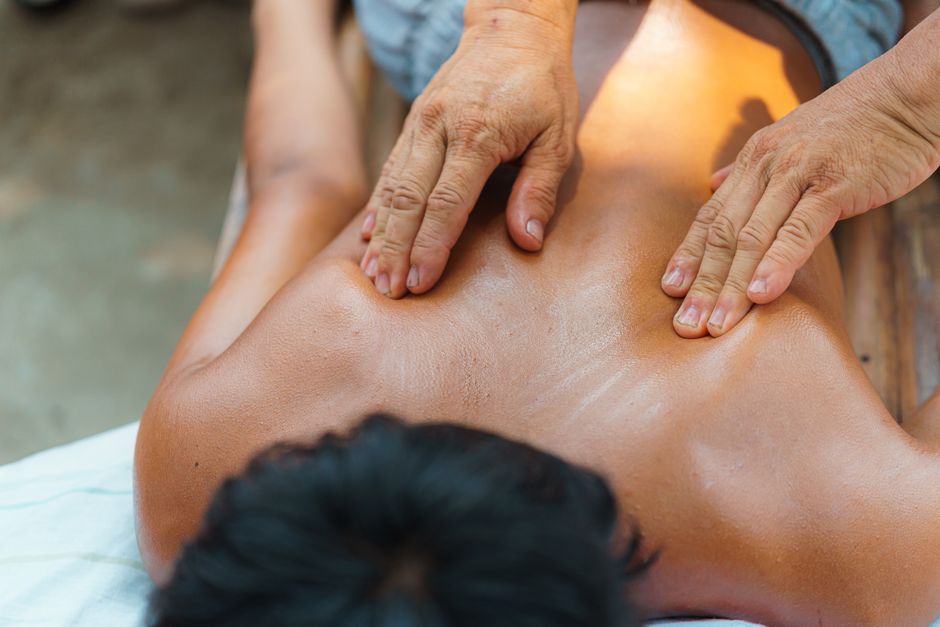
Upper back breakouts are frustrating because they are often out of sight until they start hurting or leaving marks. Acne on the upper back—sometimes called “bacne”—usually happens for the same reasons it happens on the face: oil, dead skin cells, and bacteria clogging hair follicles. But the back also has unique factors, like friction from clothing and sweat that sits on the skin, that make it prone to stubborn breakouts. The exact cause determines the fix, so identifying why your skin is reacting is the first real step toward clearing it.
Why Is My Upper Back Breaking Out Causes Fixes?
Breakouts on the upper back are most commonly a form of acne vulgaris, specifically the type driven by blocked pores. Your back has a high density of sebaceous glands, which produce oil. When that oil mixes with dead skin cells, it can plug the follicle. The bacterium Cutibacterium acnes, which naturally lives on skin, then multiplies inside the plugged pore, causing inflammation. This is the same process that causes facial pimples.
However, the upper back is also a high-friction zone. Tight shirts, bra straps, backpack straps, and sports equipment rub against the skin. That friction, combined with heat and sweat, can irritate follicles and trigger a specific type of acne called acne mechanica. This is why you might see breakouts concentrated exactly where a strap sits or where a shirt seam presses.
Sweat itself does not cause acne, but it can worsen it. When sweat evaporates it leaves behind salts and oils that can mix with dead skin cells and increase the chance of a pore becoming blocked. If you exercise and sit in damp clothing for a long time, you increase the window for that blockage to happen.
What Causes Breakouts Specifically on the Upper Back?
Several distinct factors can drive upper back acne, and they often work together. The first is genetics. If your parents had acne, you are more likely to have overactive oil glands and skin that sheds dead cells less efficiently. This is not something you can change, but it explains why some people break out more easily than others.
Hormones play a major role too. Androgens, which are present in both men and women, stimulate sebum production. Fluctuations during the menstrual cycle, puberty, or times of high stress can increase oil output. Stress alone does not cause acne, but it can make existing breakouts worse by raising cortisol levels, which in turn can increase oil production.
Hair care products are an overlooked cause. Conditioners, leave-in treatments, and styling oils can rinse down your back in the shower and leave a residue. Ingredients like silicones and heavy oils are designed to coat hair, and they can also coat your skin and block pores. If your breakouts are worse near your hairline, neck, and upper shoulders, your shampoo or conditioner may be the culprit.
Detergents and fabric softeners can also be a factor. Residue left on clothing from heavily scented detergents or liquid fabric softeners can irritate skin. This is more likely to cause a reaction that looks like small red bumps rather than classic whiteheads, but it can still be mistaken for acne.
Is It Acne or Something Else?
Not every bump on your upper back is acne. Several other skin conditions look similar but need different treatment. It is worth knowing the difference before you change your routine.
Folliculitis is an inflammation of the hair follicle, often caused by bacteria or yeast. It looks like small red bumps or pus-filled pimples. Unlike acne, which forms deep in the pore, folliculitis is more superficial. It is common after hot tub use, heavy sweating, or wearing tight clothing. The bacterium that causes it is often Staphylococcus aureus, not the acne bacterium, so acne treatments may not work well on it.
Keratosis pilaris is a harmless condition where dead skin cells plug the hair follicles, creating rough, bumpy patches. It commonly appears on the upper arms and thighs but can occur on the back. The bumps are usually small, rough, and not painful or inflamed. They are not true pimples and do not respond to acne medication.
Pityrosporum folliculitis, also called fungal acne, is caused by an overgrowth of yeast that naturally lives on the skin. It tends to appear on the chest and upper back where oil glands are active. The bumps are often itchy and appear in clusters. Standard acne treatments that target bacteria can actually make this worse because they disrupt the skin’s natural balance.
If you have tried over-the-counter acne treatments for several weeks with no improvement, or if the breakout is itchy, painful, or spreading, a dermatologist can determine whether you are treating the right condition. Applying antibacterial acne products to a yeast problem will not clear it and may irritate your skin.





What Actually Works to Clear Upper Back Acne?
Consistency matters more than product choice. The skin on the back is thicker than facial skin, so it can tolerate stronger treatments, but it also takes longer to respond because the area is large and hard to reach.
Start with a body wash or cleanser containing benzoyl peroxide or salicylic acid. Benzoyl peroxide kills the acne bacteria and helps clear blocked pores. Salicylic acid helps shed dead skin cells from the surface. Use the product in the shower and leave it on your back for one to two minutes before rinsing. This contact time is essential; rinsing immediately reduces effectiveness.
Wash after sweating. If you exercise, shower as soon as possible afterward. Waiting even an hour gives sweat and oil more time to sit on the skin. Do not scrub aggressively. Use your hands or a soft cloth. Scrubbing irritates the skin and can worsen inflammation.
Wear loose, breathable clothing. Cotton and moisture-wicking fabrics allow sweat to evaporate. Tight synthetic shirts trap heat and moisture against the skin. Change out of workout clothes promptly and do not re-wear sweaty shirts.
Shower last in your routine if you use hair conditioner. Rinse your back thoroughly after any hair product has had a chance to run down your body. Some people find it helpful to wash their back after rinsing conditioner to remove any residue.
For persistent breakouts, an over-the-counter treatment containing adapalene, a retinoid, can be applied to the affected areas at night. Retinoids work by normalizing skin cell turnover so pores do not become blocked. Start using it every other night to allow your skin to adjust, and use sunscreen on any exposed skin because retinoids increase sun sensitivity.
What Does Not Work and What Makes It Worse?
Several common habits can make upper back acne worse. The most common is over-washing. Washing more than twice a day strips the skin of natural oils, which can trigger the skin to produce even more oil to compensate. This creates a cycle of dryness and increased oiliness.
Popping or picking at back pimples is especially harmful. The skin on the back is thick and heals slowly. Picking increases the risk of scarring and can push bacteria deeper into the skin, causing larger, more painful lesions. The back is also a common site for developing keloids, which are raised scars that are difficult to treat.
Tanning, whether in the sun or a tanning bed, does not clear acne. It temporarily masks the appearance of redness, but the ultraviolet exposure damages skin and can increase inflammation. The benefit is cosmetic and short-lived, and the risk of skin cancer is well documented.
Avoid using heavy body lotions or oils on your back unless they are labeled non-comedogenic, meaning they are formulated not to block pores. Thick moisturizers designed for very dry skin can worsen breakouts if applied to the back.
When Should You See a Dermatologist?
If your upper back acne is painful, deep, or leaving dark marks or scars, see a dermatologist. Over-the-counter treatments are effective for mild to moderate acne, but they have limits. A dermatologist can prescribe stronger topical medications, oral antibiotics for a short course, or other treatments that target the specific type of acne you have.
Dark spots left after acne heals are called post-inflammatory hyperpigmentation. These are not scars and usually fade over several months, but they can persist longer if the acne continues. Sun exposure darkens these spots, so using sunscreen on your back when it is exposed can help them fade faster.
A dermatologist can also distinguish between acne and conditions like fungal folliculitis, which requires an antifungal treatment rather than an antibacterial one. Treating the wrong condition wastes months of time and can leave you frustrated with skin that has not improved.
How Long Until You See Improvement?
Acne treatments do not work overnight. Skin cell turnover takes about four to six weeks, so it takes at least that long to see meaningful improvement from any new treatment. Some treatments cause an initial worsening, called purging, where existing clogged pores come to the surface. This is not a sign the treatment is failing, but it can be discouraging.
Give any new routine at least eight to twelve weeks before judging whether it works. If you see no improvement or your skin gets worse after that time, the treatment may not address your specific cause. That is the point where a dermatologist can help you adjust your approach.
Consistency is the single biggest factor in clearing back acne. Using the right product once a week will not produce results. A daily or near-daily routine, combined with the clothing and hygiene changes described above, gives you the best chance of seeing clear skin.
Frequently Asked Questions
Can bra straps cause upper back acne?
Yes, tight bra straps can cause a type of acne called acne mechanica, which develops from friction and pressure against the skin. The rubbing irritates hair follicles and can trigger breakouts in the exact pattern of the strap.
Is fungal acne on the back the same as regular acne?
No, fungal acne is caused by an overgrowth of yeast, not the bacteria that cause regular acne. It typically appears as itchy clusters of small bumps, and standard acne treatments can make it worse.
Does sweat cause upper back breakouts?
Sweat alone does not cause acne, but it can worsen it by mixing with oil and dead skin cells to block pores. Showering promptly after sweating reduces this risk.
How long does it take for back acne to clear?
Most treatments take at least four to six weeks to show noticeable improvement and up to twelve weeks for full results. Consistency with your routine matters more than switching products frequently.
