
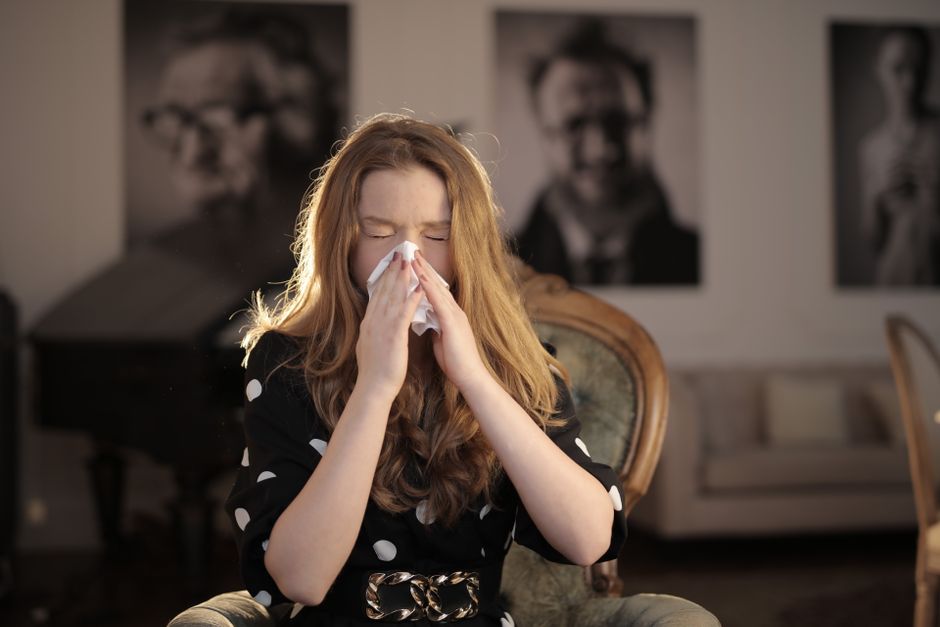
A sudden sneeze can be jarring, especially when it triggers a sharp pain in your head. For many people, this is a brief, harmless twinge that fades in seconds. The reason you get a headache when sneezing usually comes down to a sudden spike in pressure inside your skull, but the specific cause depends on whether the pain is a quick flash or something more persistent.
What Happens in Your Head When You Sneeze?
A sneeze is a powerful reflex. It involves a forceful contraction of your chest, abdomen, and diaphragm. That force builds up pressure in your body, including the veins in your head. This pressure surge is brief but significant.
Inside your skull, the brain itself does not feel pain. However, the blood vessels, membranes (meninges), and nerves that surround the brain do. When you sneeze, the sudden increase in pressure stretches these sensitive structures. If they are already irritated or sensitive, that stretch translates directly into pain.
For most healthy people, this pressure spike is harmless. The pain resolves the moment the sneeze ends. It is a mechanical event, not a sign of disease.
Why Do I Get A Headache When Sneezing? The Primary Cause
In most cases, a headache from sneezing is a primary cough headache triggered by the same mechanism. This is a recognized condition where a sudden physical strain—like sneezing, coughing, or straining on the toilet—causes a sudden, sharp head pain.
These headaches are typically brief. They often last only a few seconds to a couple of minutes. The pain is usually on both sides of the head and is often described as sharp, stabbing, or splitting. It is not usually a throbbing pain.
This type of headache is generally harmless. However, because the pain is triggered by a physical act, it is important to distinguish it from a secondary headache—one caused by an underlying structural problem in the brain.
When a Sneezing Headache Signals a Bigger Problem
Although rare, a headache triggered by sneezing can be a warning sign. If the pain lasts longer than a few minutes, or if it is accompanied by other symptoms, it may indicate a secondary headache. This means the headache is a symptom of another medical condition.
Potential underlying causes include:
- Chiari malformation: A structural issue where part of the brain extends into the spinal canal. This can block the normal flow of spinal fluid, making pressure spikes more painful.
- Increased intracranial pressure: Fluid buildup in the brain can make the tissue more sensitive to sudden pressure changes.
- Brain aneurysm: A bulging blood vessel that could leak or rupture. This is a medical emergency.
- Structural lesions or tumors: Any mass in the skull can change how pressure is distributed during a sneeze.
You should seek medical evaluation if your sneezing headache is severe, lasts longer than a few minutes, or is accompanied by vision changes, dizziness, neck stiffness, vomiting, or seizures. These symptoms warrant immediate medical attention.




Primary vs. Secondary Sneezing Headaches
Understanding the difference between a primary and secondary headache is critical for your health. The distinction is based on whether an underlying disease is causing the pain.
A primary headache is the condition itself. There is no structural damage. It is simply a hyper-sensitive pain response to a normal physiological event. This is the most common type and is not dangerous.
A secondary headache is caused by another issue. The pain is a symptom of the underlying problem. This requires medical investigation to identify and treat the root cause.
If you have never experienced a sneezing headache before and it suddenly starts, or if the pattern changes, it is worth discussing with a doctor. A sudden change in headache pattern is always a reason to check in with a healthcare provider.
When to See a Doctor for Sneezing Headaches
Not every sneezing headache requires a trip to the emergency room. However, there are clear signs that you should not ignore. If you experience any of the following, seek medical advice promptly:
- Headaches that last longer than a few minutes after the sneeze
- Pain that is the “worst headache of your life”
- Headaches that occur with every sneeze and are getting worse
- Neurological symptoms like weakness, numbness, or difficulty speaking
- Vision disturbances, including double vision or blurred vision
- Neck stiffness or pain accompanying the headache
Your doctor will likely ask about your medical history and may order imaging tests like an MRI. An MRI can rule out structural issues like Chiari malformation or other abnormalities. This is the standard approach to diagnosing secondary headaches.
Can You Prevent a Headache When Sneezing?
There is no reliable way to prevent a sneeze itself. However, if you know you are about to sneeze, you cannot stop the pressure surge. Some people find that supporting their head or neck during a sneeze helps, but this has not been studied or proven.
For primary sneezing headaches, treatment is usually unnecessary. Since the pain lasts only seconds, there is nothing to treat. If the headaches are frequent and bothersome, some clinicians recommend medications to reduce pressure or nerve pain, but this is not a standard protocol.
If you have a secondary cause, treatment focuses on the underlying condition. For example, Chiari malformation may require surgery. Elevated intracranial pressure may be managed with medication or other interventions. The headache itself resolves when the cause is addressed.
The Role of Blood Pressure and Sinus Issues
Some people wonder if high blood pressure or sinus congestion causes these headaches. Blood pressure spikes during a sneeze, but this is normal and transient. It does not cause the headache in most people.
Sinus issues are a different matter. If you have active sinusitis, the membranes in your sinuses are already inflamed and swollen. A sneeze increases pressure in that area, which can cause significant facial and head pain. This is a common cause of sneezing-related pain that feels like a headache.
If your pain is primarily in your face, around your eyes, or in your cheeks, it may be sinus-related rather than a true headache. Treating the underlying sinus infection or allergy often resolves the pain.
Migraine and Sneezing
For people who get migraines, sneezing can sometimes trigger a brief worsening of pain. The pressure surge can aggravate an already sensitized nervous system. This is not the same as a primary sneezing headache, but it can feel similar.
If you have a history of migraines and notice that sneezing intensifies your pain, this is likely related to your migraine condition. Managing your migraine triggers and treatment plan is the best approach.
Frequently Asked Questions
Is a headache when sneezing dangerous?
Most of the time it is harmless and lasts only seconds. However, if the pain lasts longer than a few minutes or comes with neurological symptoms, you need medical evaluation.
Why does my head hurt only when I sneeze?
Sneezing causes a sudden spike in pressure inside your skull that stretches sensitive membranes and nerves. If these structures are irritated, that stretch produces pain.
Can sneezing cause an aneurysm?
Sneezing does not cause an aneurysm to form. In very rare cases, a sudden pressure spike could contribute to a leak in an existing aneurysm, which is why severe or prolonged pain requires immediate medical attention.
What does a Chiari malformation headache feel like?
It is often a sharp, brief pain at the back of the head triggered by coughing, sneezing, or straining. It can also be accompanied by balance problems or vision changes.
