
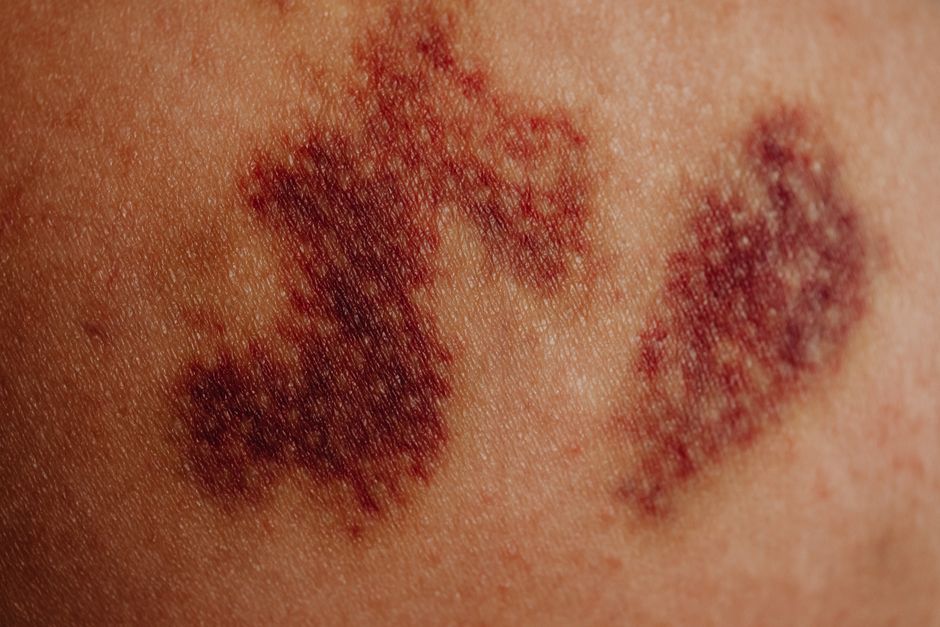
Bruises on your arms with no memory of bumping into anything usually come from one of two places: your blood vessels have become more fragile, or your blood is clotting less effectively than it should. Both are common, and both have real explanations. The most frequent causes are age-related skin and vessel changes, certain medications, and low platelet counts. Less often, the cause is a bleeding disorder or an underlying liver or blood condition that needs medical attention.
The tricky part is that “no reason” almost never means no reason. It usually means the cause was invisible or forgettable — a light brush against a doorframe, a blood vessel that gave way under normal pressure, or a clotting system that is not doing its job.
Why Do I Have Bruises On My Arms For No Reason?
A bruise is bleeding under the skin. When small blood vessels called capillaries break, blood leaks into the tissue and shows up as a discolored patch. For a bruise to appear, three things have to line up: the vessel has to break, the surrounding tissue has to be loose enough to let blood pool, and your clotting system has to be slow enough that the leak does not stop quickly.
On the arms, all three are common. The skin on the forearms and hands is thin compared to the thighs or back. It has less fat underneath to cushion vessels. As people age, the skin thins further and the small vessels lose some of the connective tissue that holds them in place. That combination means a minor bump that would do nothing at 25 can leave a visible bruise at 55.
This is why the phrase “for no reason” is a little misleading. The trauma happened. It was just too small to register.
What Is The Most Common Cause Of Easy Bruising On The Arms?
Age-related changes are the most common cause of easy bruising on the arms. This is sometimes called actinic purpura or senile purpura — flat, dark bruises on sun-exposed skin, especially the forearms and backs of the hands.
The mechanism is well understood. Long-term sun exposure damages the collagen and elastin in the skin. Those proteins normally support the tiny blood vessels. When they break down, the vessels become loose and fragile. The skin also gets thinner, so any blood that leaks is more visible.
Two details matter here. First, sun damage accumulates over decades, so the effects show up later in life even if you no longer spend much time outdoors. Second, these bruises often fade slowly and may leave a brownish stain behind, because blood breakdown products linger in thin skin.
This type of bruising is not dangerous on its own. It is a cosmetic and skin-fragility issue, not a sign of a bleeding disorder. But it can be a reason to have a doctor confirm nothing else is going on.
Which Medications Make Arm Bruising More Likely?
Several common medications interfere with clotting or make vessels more fragile. This is one of the most frequent explanations for new bruising that appears without an obvious injury.
- Anticoagulants such as warfarin, apixaban, rivaroxaban, and dabigatran slow clot formation directly.
- Antiplatelet drugs including aspirin, clopidogrel, and ticagrelor reduce the ability of platelets to plug small vessel leaks.
- NSAIDs like ibuprofen and naproxen affect platelet function, though usually less than prescription blood thinners.
- Corticosteroids taken by mouth or applied to the skin can thin the skin and weaken vessel support over time.
- Some antidepressants, particularly SSRIs, have been associated with a modest increase in bleeding risk in some studies.
If bruising started or worsened after a new medication, that timing matters. Do not stop any prescribed medication on your own. Blood thinners in particular protect against strokes and clots, and the risks of stopping them usually outweigh the annoyance of bruising. Talk to the prescriber about whether the bruising changes anything.
One clarification worth knowing: fish oil, turmeric, ginkgo, and high-dose vitamin E are often blamed for bruising. The evidence for these causing meaningful bleeding in people taking them at typical doses is limited and mixed. They are plausible contributors, not proven culprits.





Can Low Platelets Or A Bleeding Disorder Cause Arm Bruises?
Yes, and this is the category that deserves a doctor’s attention. Platelets are the cell fragments that form the first plug when a vessel breaks. When platelet counts drop, bruises appear more easily and often in places you would not expect.
Low platelets can come from many directions: certain viral infections, medications, alcohol use, liver disease, autoimmune conditions where the body attacks its own platelets, and bone marrow problems. Some of these are temporary. Others need treatment.
Inherited bleeding disorders such as von Willebrand disease are also possible. They are more common than many people realize and often show up as easy bruising, frequent nosebleeds, or heavy menstrual bleeding that has been present since childhood or the teenage years.
A pattern that started recently in an adult with no prior history of easy bruising is more concerning than a pattern that has been there for decades.
When Should Bruising On Your Arms Worry You?
Most arm bruising is harmless. Some patterns are worth a medical visit.
- Bruises that appear alongside bleeding gums, frequent nosebleeds, or blood in urine or stool
- Bruises larger than a few inches, or that keep expanding
- Small red or purple dots on the skin, called petechiae, that do not blanch when pressed
- Bruising along with fatigue, fever, unexplained weight loss, or night sweats
- Bruising that started suddenly in someone with no history of easy bruising
- Bruising in unusual locations such as the back, chest, or abdomen
These signs do not mean something serious is present. They mean the cause should be identified rather than assumed. A basic blood test — a complete blood count with platelet count, and sometimes clotting tests — usually answers the main questions quickly.
What Actually Helps Reduce Bruising?
There is no treatment that reverses age-related vessel fragility. What helps is reducing the forces that cause leaks in the first place.
Protecting the arms from sun exposure limits further collagen damage. Wearing long sleeves during activities that involve reaching, lifting, or working around hard edges reduces the small impacts that cause bruises. Some clinicians suggest that keeping the skin moisturized supports skin barrier health, though this does not strengthen vessels directly.
For people on blood thinners, bruising is often an expected side effect rather than a problem to fix. The goal is not zero bruises. It is knowing which bruises are routine and which ones signal that something in the clotting system has changed.
If bruising is frequent and bothersome, the useful step is a conversation with a doctor about the pattern — when it started, where it appears, what medications are involved, and whether there are other bleeding signs. That history often points to the cause faster than any single test.
Does Vitamin Deficiency Cause Arm Bruising?
Vitamin C deficiency can cause easy bruising, but it is rare in people eating a normal diet. Severe deficiency, known as scurvy, causes bleeding gums and bruising, but it is uncommon in the United States.
Vitamin K plays a direct role in clotting, and low levels can increase bleeding. However, in healthy adults eating a varied diet, vitamin K deficiency is uncommon. It shows up more in people with severe liver disease, malabsorption conditions, or those taking certain antibiotics long-term.
Taking extra vitamin C or vitamin K without a diagnosed deficiency has not been shown to reduce bruising. If a deficiency is suspected, testing can confirm it. Guessing with supplements is not a reliable path.
Frequently Asked Questions
Why do I suddenly have bruises on my arms for no reason?
A sudden change in bruising usually points to a new factor such as a medication, a drop in platelets, or a recent illness. It is worth a medical visit to check a complete blood count.
Is bruising on the arms a sign of a serious illness?
Most arm bruising is caused by age-related skin changes or medications and is not serious. Bruising with bleeding gums, small red dots, or unexplained fatigue should be evaluated by a doctor.
Can blood thinners cause bruises without injury?
Yes. Blood thinners and antiplatelet drugs reduce clotting, so minor vessel leaks that would normally go unnoticed can become visible bruises. This is a known effect, not a sign the drug is failing.
Does low platelet count cause bruising on the arms?
Yes. Platelets plug small vessel leaks, so when counts drop, bruises appear more easily. A simple blood test can confirm whether platelets are low.
