

You wake up and your chest is tight before you even remember why. Your mind scans for a threat, but nothing specific is there. You just feel scared, all the time, for no clear reason. This is not a character flaw or a sign of weakness. It is a physical and mental state with identifiable causes, and understanding them is the first step toward feeling better. The feeling is real, and the science behind it is clearer than most people realize.
That constant sense of fear, even when you are safe, often comes from your brain’s alarm system being stuck in the “on” position. Your amygdala, the part of your brain that detects threats, is working overtime. It is sending out stress hormones like cortisol and adrenaline even when there is no danger. This can happen because of chronic stress, past trauma, an anxiety disorder, or even a physical health issue like a thyroid problem. The key is that the cause is often treatable, and the feeling is not permanent.
What Causes That Constant Feeling of Fear?
Research shows that several things can keep your fear response active. Chronic stress is a major one. When you are under pressure for weeks or months, your body stays in a state of high alert. Your nervous system forgets how to calm down. This is sometimes called “allostatic load,” which is the wear and tear on your body from repeated stress.
Anxiety disorders are another common cause. Generalized anxiety disorder (GAD) involves excessive worry and fear about everyday things. Panic disorder can cause sudden waves of intense fear. These are not just “being nervous.” They are diagnosable conditions that change how your brain processes threats. Current research suggests that about 6.8 million adults in the US have GAD, and many more experience similar symptoms without a formal diagnosis.
Past trauma also plays a big role. If you have experienced something frightening or dangerous, your brain may stay on high alert to protect you from it happening again. This is especially true in PTSD, where the brain struggles to distinguish between a real threat and a memory of one.
Can Physical Health Issues Make You Feel Scared All the Time?
Yes, and this is often overlooked. Your brain and body are connected. A physical problem can directly cause psychological symptoms. Thyroid disorders, especially hyperthyroidism, can cause anxiety, restlessness, and a feeling of fear. The thyroid gland controls metabolism, and when it is overactive, it can make your heart race and your mind feel jittery.
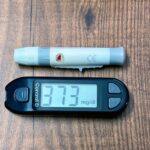
Heart conditions, like arrhythmias, can also cause a feeling of dread or panic. Low blood sugar, or hypoglycemia, can trigger the release of adrenaline, which feels like fear. Even vitamin deficiencies, such as low levels of vitamin B12 or vitamin D, have been linked to anxiety symptoms in some studies.
Certain medications can cause anxiety as a side effect. Stimulants, some asthma drugs, and even decongestants can rev up your nervous system. Caffeine and alcohol are also common triggers. If you feel scared all the time, it is worth looking at what you are putting into your body.
What Does the Research Actually Say About Chronic Fear?
Studies have found that the brain’s fear circuitry is complex. The amygdala sends signals to the hypothalamus, which triggers the fight-or-flight response. In people who feel scared all the time, this pathway is hyperactive. Brain scans show that the amygdala is more active in people with anxiety disorders compared to those without.
Research also shows that the prefrontal cortex, which helps you reason and calm down, has less control over the amygdala in these cases. This is why you cannot always “think your way out” of the fear. The brain is working against you. Some studies suggest that chronic fear can even change the structure of the brain over time, shrinking the hippocampus, which is involved in memory and emotion regulation.
As of 2026, current research suggests that inflammation in the body may also play a role. Chronic inflammation, which can come from poor diet, lack of sleep, or autoimmune conditions, may affect brain function and increase anxiety. This is still being studied, but it points to how lifestyle factors can influence your emotional state.




How Do You Know If It Is Anxiety or Something Else?
This is where an honest look at your symptoms matters. Anxiety often comes with physical signs: racing heart, sweating, trembling, shortness of breath, and muscle tension. You might also have trouble concentrating, feel irritable, or have trouble sleeping. The fear is usually about something, even if that something is vague.
But if the fear feels like it comes from nowhere, or if it is accompanied by other symptoms like weight loss, heat intolerance, or a rapid heartbeat at rest, it could be a medical issue. A simple blood test can check your thyroid function, blood sugar, and vitamin levels. Do not assume it is “just anxiety” without ruling out physical causes.
| Possible Cause | Key Signs | What to Do |
|---|---|---|
| Anxiety disorder | Worry, restlessness, trouble sleeping, muscle tension | Talk to a therapist, consider CBT or medication |
| Thyroid problem | Weight loss, heat sensitivity, fast heart rate, fatigue | Get a blood test for TSH and T4 levels |
| Low blood sugar | Shakiness, sweating, confusion, hunger | Eat balanced meals, check glucose levels |
| Heart condition | Chest pain, palpitations, dizziness, shortness of breath | See a cardiologist for an EKG |
| Vitamin deficiency | Fatigue, mood changes, brain fog | Get a blood test for B12, D, and iron |
What Actually Helps When You Feel Scared All the Time?
The most effective approaches are based on evidence, not hype. Cognitive behavioral therapy (CBT) is one of the most researched treatments for anxiety. It teaches you to identify and challenge the thought patterns that keep fear alive. Studies show it works as well as medication for many people, and the benefits can last long after therapy ends.
Medication can also help. SSRIs like sertraline and escitalopram are commonly prescribed for anxiety. They increase serotonin levels in the brain, which can reduce fear and worry. Beta-blockers are sometimes used for physical symptoms like a racing heart. These are not cures, but they can make the fear manageable while you work on other strategies.
Lifestyle changes matter, but not in the way most articles claim. Exercise is not a magic cure, but research shows it reduces anxiety by lowering cortisol and releasing endorphins. Even 20 minutes of walking can help. Sleep is critical. When you are sleep-deprived, your amygdala becomes more reactive. Aim for seven to nine hours a night.
Mindfulness and breathing exercises are widely claimed to help, and some evidence supports them. They work by activating the parasympathetic nervous system, which calms the fight-or-flight response. But they are not a replacement for medical treatment. They are tools, not solutions.
- Talk to a doctor to rule out physical causes first.
- Try CBT with a licensed therapist.
- Consider medication if symptoms are severe or persistent.
- Reduce caffeine and alcohol as they can trigger anxiety.
- Prioritize sleep and consistent exercise.
- Limit news and social media if they increase your fear.
Common Misconceptions About Chronic Fear
A big myth is that you can just “snap out of it.” This is not true. Chronic fear is not a choice. It is a brain state that requires real strategies to change. Telling someone to relax when their amygdala is screaming danger is like telling a car to stop without pressing the brake.
Another misconception is that medication is dangerous or addictive. SSRIs are not addictive in the way that benzodiazepines like Xanax can be. They are safe for long-term use under a doctor’s supervision. Benzodiazepines can help in the short term, but they carry a risk of dependence and should not be used daily for more than a few weeks.
Some people believe that feeling scared all the time means something is wrong with who they are. This is false. It is a symptom, not an identity. It means your brain is trying to protect you, but the system is misfiring. That can be fixed.
Frequently Asked Questions
Why do I feel scared for no reason?
This is often due to an overactive amygdala and chronic stress keeping your nervous system on high alert. Physical issues like thyroid problems or low blood sugar can also trigger the feeling.
Can a vitamin deficiency cause anxiety and fear?
Yes, low levels of vitamin B12, vitamin D, and iron have been linked to anxiety symptoms in some studies. A simple blood test can check for these deficiencies.
How do I stop feeling scared all the time?
Start by seeing a doctor to rule out physical causes, then consider therapy like CBT. Medication, lifestyle changes, and stress management techniques can also help reduce the feeling.
Is feeling scared all the time a sign of a mental illness?
It can be a symptom of an anxiety disorder, but it can also come from physical health issues or chronic stress. A professional evaluation is the best way to determine the cause.
