
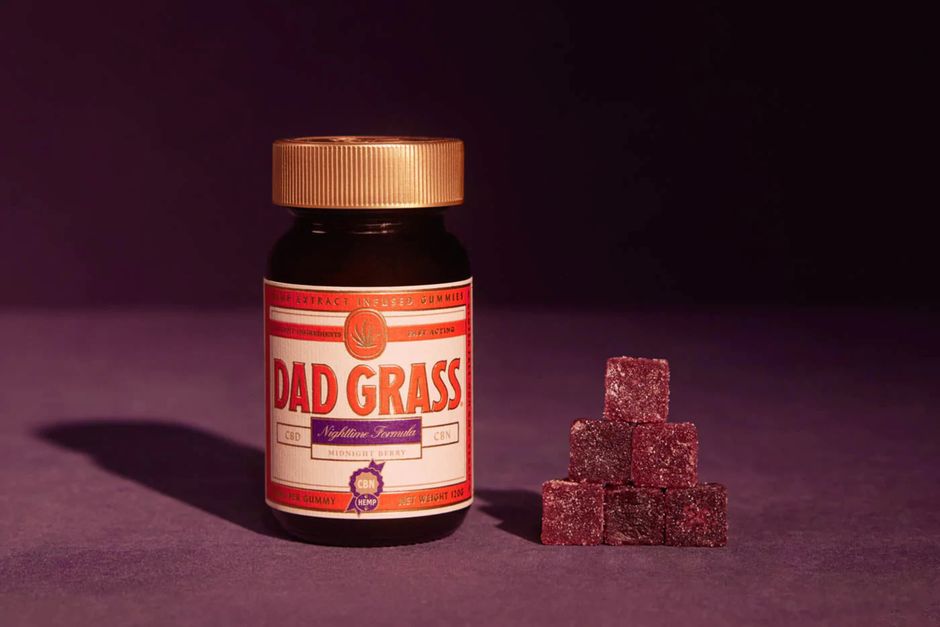
Mushroom gummies are a popular way to take medicinal mushrooms, but the effect you feel depends entirely on the type of mushroom inside. Lion’s mane gummies may sharpen focus, while reishi gummies can make you sleepy and calm. Functional mushroom gummies do not contain psilocybin, the compound that causes hallucinations, so they will not make you feel “high” like magic mushrooms. The risks are mostly mild, but they are real, especially for people on certain medications or with specific health conditions.
What Are Mushroom Gummies Made Of?
Most mushroom gummies on the market contain functional mushrooms, not psychedelic ones. Functional mushrooms are varieties like lion’s mane, reishi, chaga, cordyceps, and turkey tail. These have been used in traditional medicine for centuries, especially in Asian cultures.
The gummies usually contain a powdered extract of the mushroom fruit body or mycelium. Mycelium is the root-like part of the fungus. Some products also contain the fruiting body, which is the part you see above ground. The quality and potency vary widely between brands because there is no standardized extraction process.
It is important to check the label. Some gummies marketed as “mushroom gummies” contain no actual mushroom extract at all. They may only contain flavoring or a small amount of a proprietary blend. Look for products that list the specific mushroom species and the amount of extract per serving.
How Do Mushroom Gummies Make You Feel Effects Risks?
The effects of mushroom gummies depend on which mushroom you take. Each species has different active compounds that affect the body in different ways.
Lion’s mane is the most common mushroom in gummies marketed for focus and memory. Some people report feeling more alert and mentally clear within 30 to 60 minutes of taking it. The effect is subtle for most people. It is not like caffeine. You will not feel a sudden jolt of energy. Instead, you may notice that your thoughts feel less scattered.
Reishi is known for its calming effects. People often take it in the evening to wind down. Some users report feeling relaxed and drowsy. Reishi can interact with blood pressure medications and blood thinners, so caution is needed.
Cordyceps is marketed for physical endurance and energy. The evidence for this is limited, but some users report feeling slightly more energetic during workouts. The effect is mild and not comparable to stimulants.
Chaga is often taken for immune support. It does not produce noticeable immediate feelings. You are unlikely to feel anything after taking it.
None of these mushrooms cause hallucinations or euphoria. If a gummy makes you feel “high,” it may contain an undisclosed ingredient or an actual psychedelic compound, which would be illegal in most places.
What Does the Science Say About the Effects?
The clinical evidence for functional mushrooms is growing, but it is still early. Some studies on lion’s mane have shown improvements in cognitive function in older adults, but the research is not conclusive. A well-known study from Japan found that older adults with mild cognitive impairment improved after taking lion’s mane extract for 16 weeks. However, the effect disappeared after the participants stopped taking it.
Research on reishi is more established for immune function. Some studies suggest that reishi can enhance the activity of certain immune cells. But most of this research is in laboratory settings or small human trials. The evidence is not strong enough to claim that reishi prevents or cures any disease.
Cordyceps has been studied for exercise performance, but the results are mixed. Some small studies show a modest improvement in oxygen uptake, while others show no effect. The quality of the supplements used in studies varies, which makes it hard to draw firm conclusions.
There is no large-scale clinical trial that confirms the benefits of mushroom gummies specifically. Most studies use extracts in capsule or powder form, not gummies. The gummy format may affect how the compounds are absorbed, but no research has directly compared the two.





Potential Side Effects and Risks
Functional mushrooms are generally well tolerated, but side effects do occur. The most common complaints are digestive issues like nausea, bloating, or stomach discomfort. These are usually mild and go away as your body adjusts.
Allergic reactions are possible. If you are allergic to mold or other fungi, you may react to mushroom extracts. Symptoms can include itching, rash, or difficulty breathing. If you experience any of these, stop taking the gummies and seek medical attention.
Reishi carries a specific risk. It can have a blood-thinning effect. If you take anticoagulant medications like warfarin, reishi could increase the risk of bleeding. Some case reports have linked reishi to liver damage, though this is rare and usually occurs with high doses taken for long periods.
Lion’s mane is considered safe for most people, but there are a few case reports of allergic reactions. Some people with asthma may find that lion’s mane worsens their symptoms. This is rare, but it has been documented.
People with autoimmune conditions should be cautious with any mushroom supplement. Some mushroom extracts can stimulate the immune system, which could theoretically worsen autoimmune disease. No clinical evidence confirms this risk, but it is a theoretical concern that specialists acknowledge.
Who Should Avoid Mushroom Gummies?
Pregnant and breastfeeding women should avoid mushroom gummies. No clinical guidelines exist for this population. The safety of these extracts during pregnancy has not been studied. It is not worth the risk when the benefits are unproven.
Children should also avoid them. There is no research on the effects of functional mushrooms in children, and the immune system is still developing.
People with liver disease should be cautious. There are rare reports of liver injury associated with reishi supplements. If you have liver problems, talk to your doctor before taking any mushroom product.
People taking blood thinners, blood pressure medication, or diabetes medication should consult a healthcare provider first. Mushroom extracts can interact with these drugs in unpredictable ways.
If you are scheduled for surgery, stop taking mushroom supplements at least two weeks beforehand. This is a standard precaution because of the potential blood-thinning effects of some mushrooms.
How to Choose a Safe Mushroom Gummy
Choosing a safe product starts with reading the label carefully. Look for the specific mushroom species listed. The label should say “lion’s mane extract” or “reishi fruiting body extract,” not just “mushroom blend.”
Check for third-party testing. Some brands voluntarily send their products to independent labs to verify that the ingredients match the label. This is not required by law, so the absence of third-party testing does not mean the product is unsafe, but it does mean you are trusting the brand.
Be wary of products that make bold health claims. No mushroom gummy can legally claim to treat, cure, or prevent any disease. If a product promises to cure anxiety or reverse memory loss, that is a red flag.
Start with a low dose. Even if the label recommends a higher dose, begin with half of that to see how your body responds. This is especially important if you have never taken mushroom supplements before.
Buy from established brands with transparent sourcing. Companies that tell you where their mushrooms are grown and how they are extracted are generally more trustworthy than brands that hide this information.
Are Mushroom Gummies Better Than Capsules or Powders?
There is no evidence that gummies are more effective than capsules or powders. The active compounds in mushrooms are the same regardless of the delivery format. The main difference is convenience and taste.
Gummies do have one potential downside. They contain added sugar, sweeteners, and other ingredients to make them palatable. If you are taking them daily, this added sugar can add up. Some gummies contain as much sugar as a piece of candy.
Gummies may also have a lower concentration of mushroom extract than capsules. This is because the gummy base takes up space. You may need to eat more gummies to get the same dose as a capsule, which means more sugar.
The absorption rate may differ between formats, but no research has compared them directly. For now, the choice comes down to personal preference. If you dislike swallowing capsules, gummies are a reasonable option. Just be aware of the added sugar and check the extract concentration per serving.
How Long Until You Feel the Effects?
The timing depends on the mushroom and your individual metabolism. Some people report feeling the calming effect of reishi within 20 to 30 minutes. Others notice nothing for several days of consistent use.
Lion’s mane effects are often described as subtle and cumulative. Some users report feeling mentally clearer after the first dose, but most people notice the biggest difference after two to four weeks of daily use. The compounds in lion’s mane may support nerve growth factor, but this effect takes time to develop.
The general expectation should be modest. These are not fast-acting drugs. They are supplements with gradual, often barely noticeable effects. If you feel a dramatic change after taking a mushroom gummy, that is unusual and worth questioning.
Frequently Asked Questions
Do mushroom gummies make you feel high?
No. Functional mushroom gummies contain no psilocybin and will not cause hallucinations or euphoria. If you feel high, the product may contain an undisclosed ingredient.
How long do mushroom gummies take to work?
Some people feel effects within 30 minutes, especially with reishi or lion’s mane. Most benefits appear after several days or weeks of consistent use.
Can you take mushroom gummies every day?
Daily use is common, but the long-term safety of daily supplementation is not well studied. If you take them daily, monitor for digestive issues or unusual symptoms.
Are mushroom gummies safe with other medications?
Some mushroom extracts can interact with blood thinners, blood pressure drugs, and diabetes medication. Talk to your doctor before combining them.
