
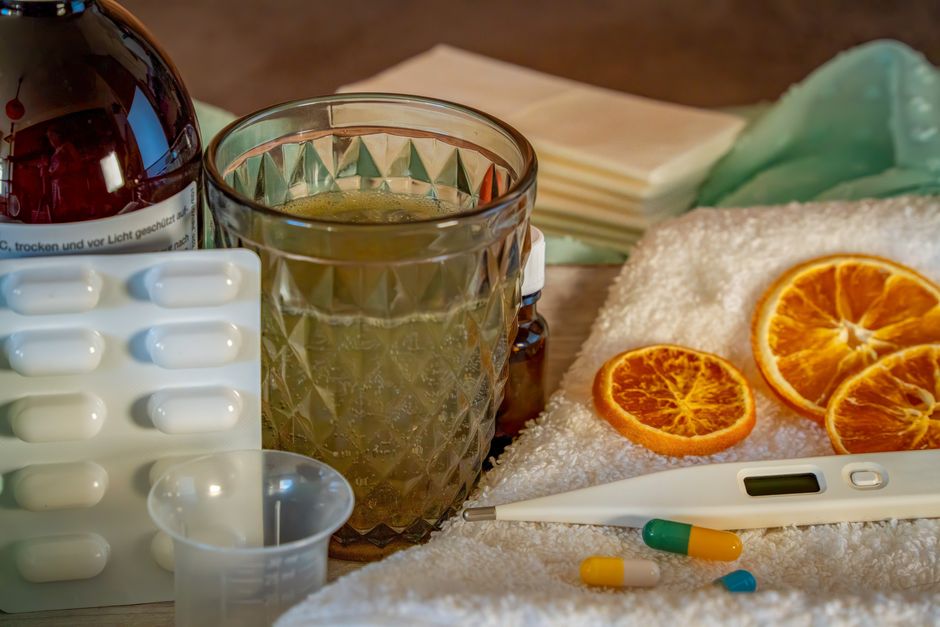
If you feel a sore throat coming on and worry it might be strep, there is no proven way to stop the infection once you have been exposed to the bacteria. The only effective step is to see a healthcare provider for a rapid strep test or throat culture. If the test is positive, antibiotics can shorten the illness, reduce symptoms, and prevent complications. In the meantime, you can manage discomfort with home remedies, but these will not prevent strep throat from developing.
What Is Strep Throat?
Strep throat is a bacterial infection caused by group A Streptococcus (GAS). It is not a virus. The bacteria infect the throat and tonsils, causing inflammation, pain, and sometimes fever. Unlike most sore throats, which are viral and resolve on their own, strep throat requires antibiotic treatment to prevent serious complications such as rheumatic fever or kidney inflammation.
The infection spreads through respiratory droplets when an infected person coughs or sneezes. You can also get it by touching a surface with the bacteria and then touching your mouth or nose. The incubation period is typically 2 to 5 days.
How To Tell If It Is Strep or a Viral Sore Throat
Viral sore throats are much more common. They often come with a runny nose, cough, or hoarseness. Strep throat usually does not cause coughing or nasal congestion. Classic strep signs include a sudden, severe sore throat, pain when swallowing, fever above 101°F, and swollen lymph nodes in the neck. White patches on the tonsils are common but not always present.
Some people, especially children, may also have a headache, stomach pain, or a fine red rash (scarlet fever). A runny nose and cough point strongly away from strep. However, symptoms alone are not reliable enough to confirm the diagnosis. Testing is needed.
Can You Prevent Strep Throat After You Feel It Coming?
Once you feel symptoms — a scratchy or sore throat — the bacteria are already multiplying in your throat. No home remedy, supplement, or over-the-counter product has been shown to kill group A Streptococcus once infection begins. Gargling with salt water, drinking warm tea with honey, or using throat sprays may soothe irritation, but they do not stop the infection from progressing.
Some small studies suggest that early use of certain antiseptic mouthwashes might reduce bacterial load, but this evidence is not strong enough to recommend as prevention. The only proven way to treat strep throat once it starts is with antibiotics, and only a test can confirm you need them.




What You Can Do While Waiting for a Test
If you suspect strep, the safest step is to see a healthcare provider within 24 to 48 hours. While you wait, you can relieve symptoms with:
- Salt water gargles (1/2 teaspoon salt in 1 cup warm water) — can soothe pain temporarily
- Cold liquids or ice chips — may numb the throat
- Over-the-counter pain relievers such as acetaminophen or ibuprofen — reduce fever and pain
- Rest and fluids — support your immune system
None of these will kill the bacteria. If you have a fever above 102°F or severe pain, seek medical attention sooner.
How To Reduce the Risk of Spreading Strep to Others
If you have symptoms, you can be contagious even before you feel sick. To protect people around you:
- Wash your hands frequently with soap and water
- Do not share cups, utensils, or toothbrushes
- Cover your mouth and nose when coughing or sneezing
- Stay home from work, school, or daycare until 24 hours after starting antibiotics and you no longer have a fever
These measures do not prevent your own infection from worsening, but they reduce the chance that you pass it on.
When Do Antibiotics Help?
Antibiotics are only effective if the sore throat is caused by bacteria, not a virus. Taking antibiotics unnecessarily does not help and contributes to antibiotic resistance. If you test positive for strep, a 10-day course of penicillin or amoxicillin is standard. Symptoms often improve within 24 to 48 hours of starting antibiotics, but you must finish the full course to prevent complications.
Early antibiotic treatment can reduce the duration of symptoms, lower the risk of spreading the infection to others, and prevent rare but serious complications like rheumatic fever. Without antibiotics, strep throat usually resolves on its own within a week, but the risk of complications remains.
Common Myths About Preventing Strep Throat
Many online sources claim that certain foods, supplements, or practices can prevent strep throat. Here is the honest evidence:
- Garlic, honey, apple cider vinegar, essential oils: No clinical trial has shown that any of these can prevent or cure strep throat. They may have mild antimicrobial effects in a lab, but not at levels achievable in the human throat.
- Vitamin C, zinc, echinacea: These may help shorten the duration of viral colds, but there is no evidence they work against strep bacteria.
- Probiotics: Some research suggests probiotics may reduce the risk of respiratory infections in general, but no study has specifically shown they prevent strep throat.
If you read a claim that a natural remedy “fights strep” or “kills bacteria in the throat,” be skeptical. Without a proper diagnosis and antibiotic treatment, the infection remains.
When to See a Doctor
Not every sore throat requires a doctor visit. But you should seek medical attention if you have:
- A sore throat that comes on suddenly with a fever over 101°F
- Pain when swallowing that is severe
- Swollen or tender lymph nodes in your neck
- White or yellow patches on your tonsils
- A rash or red sandpaper-like skin
- No cough or runny nose
- Recent exposure to someone diagnosed with strep throat
If you have multiple symptoms from this list, a strep test is appropriate. Children with sore throat and fever should be seen by a pediatrician, especially if they have a history of rheumatic fever or if strep is circulating in the community.
How To Prevent Strep Throat Before You Feel Symptoms
The question “how to prevent strep throat when you feel it coming” really applies to the window before any soreness appears. True prevention is about avoiding exposure to group A Streptococcus in the first place. This is not always possible, but you can reduce your risk:
- Wash your hands often, especially after being in public places
- Avoid close contact with people who have a sore throat or known strep
- Do not share food, drinks, or personal items
- Keep your immune system healthy through adequate sleep, nutrition, and stress management — though this does not specifically prevent strep
There is no vaccine for strep throat. Research is ongoing, but none is currently available.
Frequently Asked Questions
Can gargling with salt water prevent strep throat?
No. Salt water gargles can soothe a sore throat but do not kill group A Streptococcus bacteria or prevent infection.
Can honey cure strep throat?
No. Honey has mild antibacterial properties, but no evidence shows it can treat a bacterial throat infection. Antibiotics are required.
Should I take antibiotics without a strep test?
No. Taking antibiotics unnecessarily contributes to resistance and may cause side effects. A test is needed to confirm strep.
How long after starting antibiotics am I no longer contagious?
You are generally no longer contagious 24 hours after beginning antibiotics and once you are fever-free without medication.
