
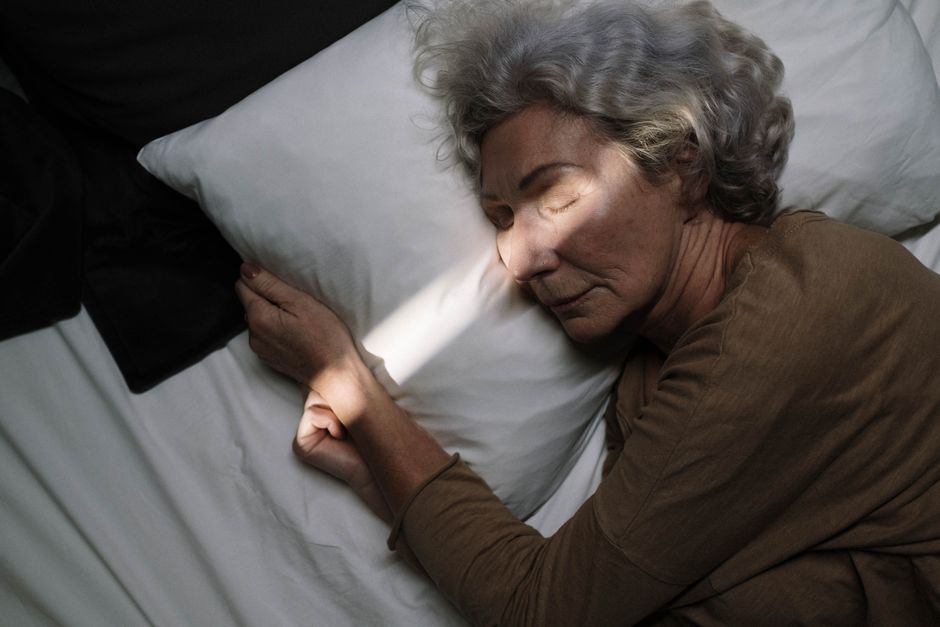
You drift off, then wake with a jolt a few hours later, staring at the ceiling. This pattern is common, and it usually has a clear physiological explanation. Sleep is not one steady state. It moves in cycles through lighter and deeper stages, and brief awakenings between those cycles are a normal part of the night. What makes them memorable is not the waking itself. It is waking at the wrong point in the cycle, or waking because something is repeatedly pulling you out of sleep.
Why Do I Fall Asleep Then Suddenly Wake Up?
Sleep cycles through stages roughly every 90 to 110 minutes in adults. Each cycle moves from light sleep into deeper slow-wave sleep, then into REM sleep, and back toward lighter sleep. The transitions between cycles are the most fragile points of the night.
At those transitions, you are closest to the surface of sleep. A noise, a shift in body position, a full bladder, or a change in room temperature can push you fully awake. This is not a disorder by itself. It is how sleep architecture works.
What turns a normal transition into a problem is repetition. If you wake at the same time most nights, something is consistently interrupting the cycle at that point. The list of possible causes is long, and most of them are ordinary.
One detail people often miss: waking up is not the same as being awake for a long time. Many brief arousals happen all night and you never remember them. You only recall the ones that last long enough for your brain to fully register them.
What Causes Waking Up in the Middle of the Night?
The most common causes fall into a few groups. Some are behavioral, some are environmental, and some are medical.
- Alcohol. Alcohol helps people fall asleep faster but fragments sleep in the second half of the night as it is metabolized.
- Caffeine. Caffeine has a half-life of roughly five hours in most adults, meaning half of it is still circulating hours after your last cup.
- Stress and anxiety. Heightened arousal makes it harder to stay in deeper sleep stages.
- Sleep apnea. Breathing pauses cause brief arousals that the sleeper often does not remember.
- Blood sugar shifts. Some people wake when blood glucose drops overnight, though this is more common in people with diabetes.
- Hormonal changes. Night sweats and disrupted sleep are common in perimenopause and menopause.
- Medications. Some prescriptions, including certain antidepressants and steroids, can fragment sleep.
- Environment. Light, noise, and a warm room all pull people toward wakefulness.
Age matters too. Slow-wave sleep decreases as people get older, so sleep becomes lighter and more easily broken. This is a normal change, not a sign that something is wrong.
Why Do I Wake Up at Exactly 3 AM Every Night?
Waking at the same time each night usually reflects the timing of your sleep cycles rather than anything mystical. If you go to bed around the same time, your cycles will land at roughly the same points, and one of those points may coincide with a lighter stage.
There is also a circadian component. Core body temperature begins to rise in the early morning hours, and cortisol starts climbing before dawn. Both shifts nudge the body toward wakefulness. For someone already sleeping lightly, that nudge can be enough.
The 3 AM timing itself is not meaningful. What matters is whether you wake and return to sleep easily, or wake and stay awake. The second pattern is the one worth addressing.





Is It Normal to Wake Up Multiple Times at Night?
Yes. Brief awakenings are a normal part of sleep for most adults. Research using sleep monitoring consistently shows that people wake several times a night, often without any memory of it.
The clinical concern is not the number of awakenings. It is the effect on daytime function. If you wake several times but feel rested, that is generally not a problem. If you wake repeatedly and feel exhausted, foggy, or irritable during the day, that is worth investigating.
Two patterns deserve attention. Waking with a gasp or a choking sensation can point toward sleep apnea. Waking with a racing heart, sweating, or a sense of dread can point toward a nocturnal panic episode. Both are distinct from ordinary brief arousals.
How Do Sleep Cycles Explain Sudden Waking?
Sleep is built from cycles, and each cycle ends with a brief period of lighter sleep or a full arousal. This is by design. The brain periodically checks the environment and adjusts.
REM sleep is especially relevant. During REM, heart rate and breathing become irregular, body temperature regulation is reduced, and the brain is highly active. Waking directly out of REM often feels sudden and vivid, which is why some people describe it as jolting awake.
Waking from deep slow-wave sleep is different. It tends to feel groggy and disoriented. If you wake suddenly and feel alert, you were probably in lighter sleep or REM. If you wake and feel heavy and confused, you were likely in deep sleep.
Understanding which stage you woke from can help you see the pattern. It does not change the underlying cause, but it explains why the experience feels different from night to night.
What Makes Night Waking Worse?
Several habits reliably make middle-of-the-night waking more likely and harder to recover from.
- Drinking alcohol close to bedtime
- Consuming caffeine in the afternoon or evening
- Eating a large meal late at night
- Keeping the bedroom too warm
- Using screens with bright light right before bed
- Going to bed at inconsistent times
- Lying awake in bed for long stretches without getting up
The last one matters more than people realize. If you wake and stay in bed frustrated, your brain starts to associate the bed with being awake. Over time, that association can make the waking worse. Getting up, doing something quiet and dim, and returning when sleepy is a standard behavioral approach used in sleep clinics.
When Should Waking Up at Night Concern You?
Occasional night waking is not a medical issue. Certain patterns are.
See a clinician if you wake with gasping, choking, or snorting sounds. These are classic signs of obstructive sleep apnea, a condition where breathing repeatedly stops and restarts during sleep. Untreated sleep apnea is linked to high blood pressure, heart rhythm problems, and daytime accidents from sleepiness.
Also seek evaluation if you wake with severe heartburn, chest pain, or shortness of breath. These can have causes unrelated to sleep itself.
Talk to a doctor if the waking is frequent and persistent, if it is affecting your mood or daily function, or if you have tried basic sleep hygiene changes for several weeks without improvement. Some clinicians recommend a sleep study in these cases, though whether one is needed depends on your specific symptoms and history.
What Actually Helps You Stay Asleep?
The evidence base for sleep hygiene is modest but real. The most consistent findings support keeping a regular sleep and wake schedule, limiting alcohol and caffeine, and keeping the bedroom cool, dark, and quiet.
For chronic insomnia specifically, cognitive behavioral therapy for insomnia (CBT-I) has the strongest evidence of any non-drug approach. It is typically delivered over several sessions and addresses the thoughts and behaviors that keep sleep problems going. It is considered first-line treatment for chronic insomnia in most clinical guidelines.
Medications exist, but they carry tradeoffs. Some cause dependence, some cause daytime grogginess, and most are intended for short-term use. If you are considering medication, that is a conversation to have with a clinician who knows your history.
One thing that does not have strong evidence behind it: most over-the-counter sleep supplements marketed for staying asleep. Melatonin has some evidence for shifting sleep timing, but less for keeping people asleep through the night. Other common ingredients have limited or mixed research support.
Does Waking Up at Night Mean Something Is Wrong?
For most people, no. Waking briefly between sleep cycles is how sleep works. The question is whether the waking is frequent, whether it disrupts your day, and whether there is an underlying cause worth checking.
If you wake once or twice, roll over, and go back to sleep, that is normal. If you wake repeatedly, feel unrested, or notice symptoms like gasping or heartburn, that is a signal to look closer. The pattern matters more than the fact that you woke at all.
Frequently Asked Questions
Why do I wake up at 3 AM every night?
Waking at the same time each night usually reflects the timing of your sleep cycles and the natural early-morning rise in body temperature and cortisol. It is not a sign of anything specific on its own.
Is it normal to wake up multiple times during the night?
Yes, brief awakenings between sleep cycles are normal for most adults and are often not remembered. The concern is when waking is frequent enough to leave you tired or foggy during the day.
Does alcohol cause middle-of-the-night waking?
Yes. Alcohol helps people fall asleep faster but fragments sleep in the second half of the night as the body metabolizes it, which is a common cause of early-morning waking.
When should I see a doctor about waking up at night?
See a clinician if you wake with gasping or choking, if the waking is persistent and affects your daily function, or if basic sleep habit changes have not helped after several weeks.
