
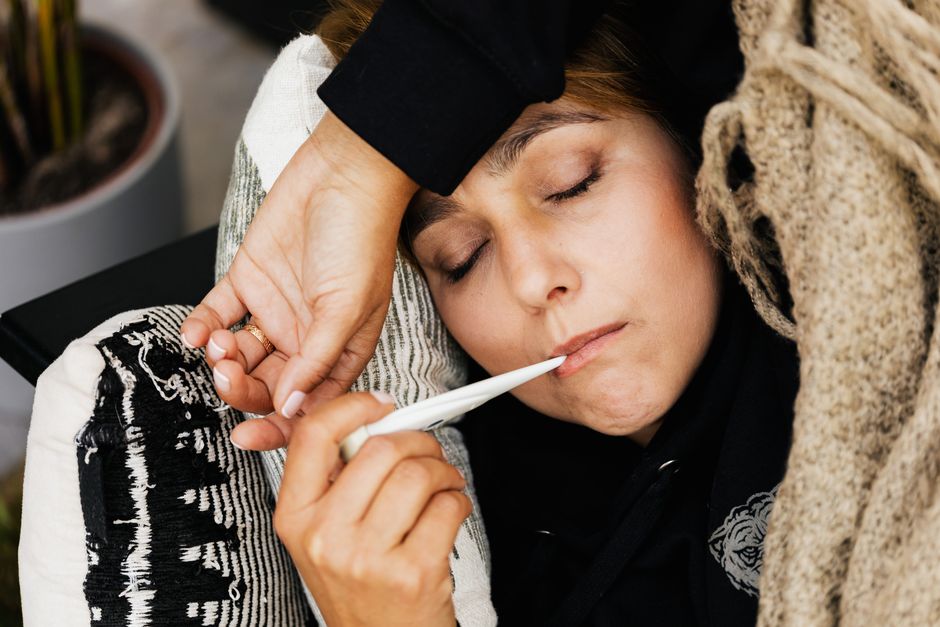
You are asleep and then you wake up shivering. Your room temperature has not changed. Your blanket is still on. Yet your body feels like it dropped ten degrees. This is not random. There are specific biological reasons why you suddenly feel cold at night. Your body is not broken. It is sending you signals about something real.
What Causes Your Body Temperature To Drop At Night?
Your body follows a natural daily rhythm called the circadian cycle. This cycle controls when you feel awake and when you feel sleepy. It also controls your core temperature. Research from the National Institutes of Health shows that your core body temperature starts dropping in the evening about two hours before you normally fall asleep. This drop helps your brain prepare for rest.
The drop is usually about one to two degrees Fahrenheit. Most people do not notice it. But sometimes the drop happens faster than usual or goes lower than normal. That is when you wake up feeling cold. Your skin blood vessels dilate to release heat. That warmth leaves your body and your skin feels cool to the touch.
If you wake up shivering it might mean your body overshot its temperature drop. Shivering is your body’s way of generating heat through muscle movement. It is a sign that your core temperature went lower than your brain wants it to go.
Why Do You Suddenly Feel Cold At Night If Your Room Is Warm?
Room temperature is only part of the picture. Your body’s internal thermostat matters more. The hypothalamus is the part of your brain that regulates temperature. It gets signals from your skin and from your blood. If your blood sugar drops your thyroid is underactive or your iron levels are low your hypothalamus may respond differently.
One common reason is low blood sugar. If you ate dinner early or ate a meal high in simple carbs your blood sugar may spike and then crash in the middle of the night. A drop in blood sugar makes you feel cold and shaky. Another reason is dehydration. Even mild dehydration can affect how your body regulates heat. If you wake up cold and your mouth is dry dehydration may be part of the problem.
Your bedding also matters more than people think. A thin sheet may trap heat poorly. But a thick comforter that does not breathe can trap moisture from sweat. That moisture then cools your skin as it evaporates. This is called evaporative cooling and it can wake you up feeling cold even if the room is warm.
What Medical Conditions Can Make You Feel Cold At Night?
Several health conditions can cause nighttime coldness. Anemia is one of the most common. Anemia means your blood does not carry enough oxygen to your tissues. This makes it harder for your body to generate and retain heat. The CDC reports that about 6 percent of adults in the US have anemia. Many do not know it. If you feel cold at night along with fatigue or pale skin anemia is worth checking.
Hypothyroidism is another cause. Your thyroid gland controls your metabolism. If it is underactive your metabolism slows down and you produce less body heat. The American Thyroid Association estimates that about 20 million Americans have some form of thyroid disease. Women are five to eight times more likely than men to have thyroid problems. If you feel cold at night and also have weight gain dry skin or constipation your thyroid may be involved.
Peripheral artery disease can also cause coldness. This condition narrows your blood vessels and reduces blood flow to your arms and legs. If your hands and feet feel cold at night but your torso feels warm this may be the reason. Diabetes can also affect circulation and temperature sensation over time.
Raynaud’s phenomenon is a condition where your blood vessels overreact to cold or stress. Your fingers and toes turn white or blue and feel numb or cold. This can happen at night if your hands or feet are exposed to cooler air. It is not dangerous on its own but it can be uncomfortable.





Does Your Diet Affect How Cold You Feel At Night?
Yes. What you eat and when you eat it can change your body temperature at night. A heavy meal right before bed raises your metabolism temporarily. Your body works to digest food and that generates heat. But that heat spike is followed by a drop. If you eat a large meal high in sugar or refined carbs your blood sugar spikes then crashes. That crash can trigger a cold sensation.
Alcohol is another factor. A drink before bed makes you feel warm at first. Alcohol dilates your blood vessels near the skin. That sends warm blood to your skin surface. You feel flushed. But that warmth leaves your body faster. Once the alcohol wears off your core temperature can drop below normal. This is why people often wake up cold after drinking alcohol at night.
Caffeine late in the day can also interfere. Caffeine keeps your nervous system active. It can delay the natural drop in body temperature that should happen before sleep. When the caffeine finally wears off your temperature drops sharply and you may wake up cold.
Iron and vitamin B12 are essential for temperature regulation. Low iron affects your red blood cells. Low B12 affects your nerves. If you are vegetarian or vegan you are at higher risk for low B12. If you have heavy menstrual periods you are at higher risk for low iron. A blood test can tell you if either is low.
How To Tell If Your Nighttime Coldness Is Normal Or A Problem
Occasional coldness at night is normal. If it happens once a week or less and you can warm up quickly it is likely just your body doing its job. But there are signs that something else is going on.
You should talk to a doctor if you feel cold at night most nights. You should also talk to a doctor if you have other symptoms like fatigue weight changes hair loss or numbness in your hands or feet. If you wake up drenched in sweat but feel cold that combination is worth checking. Night sweats with coldness can signal an infection or a hormone imbalance.
One simple test is to check your temperature when you wake up feeling cold. If it is below 97 degrees Fahrenheit that is lower than normal. A consistently low morning temperature can indicate an underactive thyroid. Another test is to check if your hands and feet are cold while your torso is warm. That points to circulation issues rather than a whole-body problem.
Keep a log for a week. Write down when you wake up cold what you ate for dinner and what you drank. Show this to your doctor. It gives them real data instead of vague memory.
What Can You Do To Stay Warm At Night Without Overheating
The goal is not to crank the heat. The goal is to help your body regulate its temperature naturally. Start with your bedding. Use layers instead of one thick blanket. A cotton sheet a light blanket and a comforter let you adjust. If you get too warm you can remove a layer. If you get cold you can add one back. This works better than a single heavy duvet that traps heat and moisture.
Avoid synthetic fabrics that do not breathe. Polyester and nylon trap sweat. Cotton wool and bamboo fabrics wick moisture away. If you wake up cold because of evaporative cooling switching to natural fibers can help immediately.
Warm your feet before bed. Your feet have a lot of blood vessels close to the skin. Cold feet send a signal to your brain that your whole body is cold. Wearing socks to bed or using a warm foot bath before sleep can prevent that signal. A 2018 study in the Journal of Physiological Anthropology found that warming the feet before sleep helped people fall asleep faster and stay asleep longer.
Keep your room temperature between 65 and 68 degrees Fahrenheit. That is the range that supports the natural drop in core temperature. If your room is warmer than 70 your body may struggle to cool down. If it is colder than 62 you may wake up cold regardless of your blankets.
Eat dinner at least three hours before bed. This gives your body time to digest and your blood sugar time to stabilize. Include protein and fiber in your evening meal. They slow down sugar absorption and prevent the crash that can wake you up cold.
Stay hydrated during the day but stop drinking fluids an hour before bed. This prevents dehydration without causing nighttime bathroom trips. Dehydration makes it harder for your body to regulate temperature so drinking enough water earlier in the day matters.
Frequently Asked Questions
Why do I feel cold at night even with blankets on?
Your body temperature naturally drops during sleep. If the drop is larger than usual or if moisture from sweat cools your skin you can feel cold even under blankets. Check if your bedding traps moisture or if your room is too warm.
Can anxiety make you feel cold at night?
Yes. Anxiety activates your stress response which can change blood flow and make your hands and feet feel cold. If you wake up cold and also feel your heart racing or have trouble breathing anxiety may be involved.
Is feeling cold at night a sign of diabetes?
It can be. Diabetes can damage nerves and blood vessels over time which affects temperature sensation and circulation. If you feel cold at night along with frequent urination or excessive thirst talk to your doctor about getting tested.
What vitamin deficiency causes coldness at night?
Iron deficiency anemia is the most common cause. Low vitamin B12 can also cause coldness because it affects nerve function and red blood cell production. A blood test can check both.
