
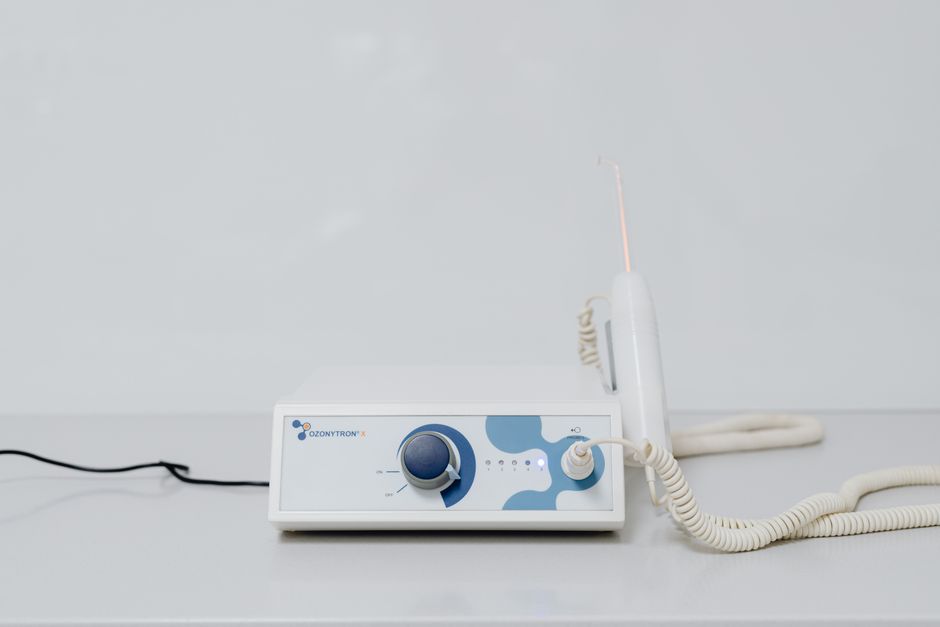
Using a high frequency machine at home is simpler than most people think. Clean your face first. Then apply a thin layer of toner or a non-alcoholic product. Choose the right electrode for your skin concern. Turn the device on and glide it over your skin in small sections for 5 to 10 minutes total. Do not hold it in one spot. Finish with moisturizer and sunscreen. That is the basic routine. Now let’s break down each step so you understand not just what to do but why it matters.
What Does a High Frequency Machine Actually Do to Your Skin?
A high frequency machine passes a mild electrical current through a glass electrode. The electrode fills with argon or neon gas. When the current hits the gas it creates a violet or orange glow. That glow produces ozone. Ozone has antibacterial properties. This is not a new gadget. Dermatologists have used these machines in clinics for decades.
The current itself is very low. It cannot harm you when used correctly. What it does is create a gentle warming sensation on the skin. This increases blood flow to the surface. More blood means more oxygen and nutrients reach your skin cells. Research published in the Journal of Clinical and Aesthetic Dermatology has noted that increased circulation can support collagen production over time. But the main immediate effect is bacterial reduction and surface stimulation.
Some people report that their skin looks tighter right after use. That is temporary. The real benefit comes from regular use over weeks and months. The machine does not replace a good skincare routine. It adds a layer of support for specific concerns like acne or dullness.
How To Use A High Frequency Machine At Home Step By Step?
Start with a completely clean face. Wash off all makeup, sunscreen, and dirt. The machine works best on bare skin. Any residue can block the current or cause uneven results. Pat your skin dry with a clean towel. Do not apply any heavy creams or oils before treatment. A light toner or hydrating mist is fine. Some people prefer to use a thin layer of aloe vera gel. That helps the electrode glide smoothly.
Choose your electrode based on your goal. The mushroom-shaped electrode is for larger areas like cheeks and forehead. The comb electrode is for the scalp. The smaller pointed electrode is for individual blemishes. Most home machines come with three to four electrodes. Start with the mushroom for general use.
Turn the device on. Set the intensity to low your first time. You should feel a mild warmth or a light tingle. If it feels sharp or uncomfortable the setting is too high. Glide the electrode over your skin in small circular motions. Do not press hard. The glass is fragile and pressing too firmly can break it. Work in sections. Spend about one minute on each area. Cover your forehead, each cheek, your nose, and your chin. Total treatment time should be 5 to 10 minutes. Never exceed 15 minutes in one session.
After treatment turn the device off and clean the electrode with alcohol. Let it dry completely before storing. Apply a gentle moisturizer and sunscreen if it is daytime. Your skin may look slightly flushed for a few minutes. That is normal.
What Skin Conditions Can a High Frequency Machine Help With?
The strongest evidence supports use for acne. The ozone produced by the machine kills acne-causing bacteria on contact. A study in the International Journal of Dermatology found that high frequency treatment reduced inflammatory acne lesions after four weeks of regular use. It is not a cure for severe acne. But it can help calm breakouts without harsh chemicals.
Some people use it for fine lines and sagging. The evidence here is weaker. Increased blood flow can temporarily plump the skin. Over months of use some users report a firmer appearance. But no large clinical trials confirm anti-aging effects. It is reasonable to try if you have realistic expectations.
High frequency can also help with wound healing. The ozone promotes oxygenation which may speed recovery for minor cuts or cold sores. Do not use it on open wounds that are actively bleeding. Wait until the wound has started to close. Some people use it on scalp issues like dandruff or hair thinning. The comb electrode stimulates circulation to the scalp. Evidence for hair growth is anecdotal. It may help some people but it is not a proven treatment.
| Skin Concern | How High Frequency Helps | Strength of Evidence |
|---|---|---|
| Acne | Kills bacteria with ozone | Strong – multiple studies |
| Fine lines | Increases blood flow temporarily | Moderate – mostly anecdotal |
| Wound healing | Oxygenates skin tissue | Moderate – small studies |
| Scalp health | Stimulates circulation | Weak – limited evidence |
| Puffy eyes | Reduces fluid retention | Weak – user reports only |




Are There Any Risks or Side Effects You Should Know About?
High frequency machines are generally safe when used correctly. The current is too low to cause burns or nerve damage. But there are real risks you need to understand. The most common side effect is skin irritation from gliding too long over one area. Redness that lasts more than 30 minutes means you overdid it.
Do not use the machine if you have a pacemaker or any implanted electrical device. The current can interfere with these devices. Do not use it over metal piercings or dental braces. The current can travel through the metal and cause discomfort. Remove all jewelry before treatment.
People with epilepsy should avoid high frequency devices. The flashing light from the electrode can trigger seizures in sensitive individuals. Pregnant women should also avoid use. There is no research on safety during pregnancy. It is better to be cautious.
Never use the machine on broken skin, active rashes, or sunburned areas. The ozone can irritate already damaged skin. Wait until your skin barrier is intact. If you have rosacea or very sensitive skin test a small patch first. Some people find the warmth triggers flushing. You can still use the machine but keep sessions short and intensity low.
What Common Mistakes Do People Make When Using a High Frequency Machine?
The biggest mistake is using the machine too often. Some people think more is better. It is not. Using it every day can dry out your skin and cause irritation. Two to three times per week is enough. Your skin needs time to recover between sessions.
Another mistake is using the wrong electrode for the area. The pointed electrode is not for large areas. It concentrates the current into a small spot. Using it on your whole face can cause pinpoint burns. Stick to the mushroom electrode for general use. Save the pointed one for single blemishes.
People also forget to clean the electrode between uses. Bacteria can build up on the glass. If you use a dirty electrode on a pimple you can spread bacteria to other parts of your face. Wipe it with alcohol before and after each use. Let it air dry. Do not store it while still wet.
Skipping moisturizer after treatment is another common error. The machine can be slightly drying. Your skin needs hydration after the current passes through. Apply a simple moisturizer with ceramides or hyaluronic acid. Avoid retinol or strong acids immediately after treatment. Give your skin a break from active ingredients for a few hours.
How Do You Choose a High Frequency Machine for Home Use?
Not all machines are the same. Look for one that comes with multiple electrodes. A basic set should include a mushroom electrode, a comb electrode, and a pointed electrode. Some machines also include a roller electrode for the eye area. That is a nice addition but not essential.
Check the voltage. Most home machines operate on standard household current. Some cheaper models use batteries. Battery-powered machines often have weaker output. They may not produce enough current to be effective. Plug-in models are generally more reliable.
Look for a machine with adjustable intensity settings. A single fixed setting is not ideal. Your tolerance may vary by area or by day. Being able to dial it down on sensitive spots is important. Some machines have a dial. Others have buttons. Either works as long as you can control the level.
Read reviews carefully. Many machines on Amazon are rebranded versions of the same factory model. Look for reviews that mention durability. The glass electrodes can break if dropped. Some machines come with a spare electrode. That is a good sign. Avoid machines that look too cheap. A quality home unit typically costs between 50 and 150 dollars. Anything under 30 dollars is likely poorly made.
How Does High Frequency Compare to Other At-Home Devices?
High frequency is different from LED light therapy. LED uses specific wavelengths of light to target cells. High frequency uses electrical current to produce ozone. They work through different mechanisms. LED has stronger evidence for anti-aging. High frequency has stronger evidence for acne. Some people use both on alternating days.
Microcurrent devices use a different type of electrical current. Microcurrent mimics the body’s natural electrical signals to stimulate muscles. It is for lifting and toning. High frequency does not affect muscles. It works on the surface of the skin. They are not interchangeable.
Derma rollers create tiny punctures in the skin. That is a completely different approach. High frequency does not break the skin. It is gentler and has a lower risk of infection. If you are new to at-home devices start with high frequency. It is easier to use safely than derma rolling or microneedling.
Frequently Asked Questions
Can I use a high frequency machine on active acne?
Yes. It is one of the best uses for the device. The ozone kills bacteria on the surface of the pimple. Use the pointed electrode directly on each blemish for 10 to 15 seconds.
How often should I use a high frequency machine?
Two to three times per week is ideal. Daily use can dry out your skin and cause irritation. Your skin needs time to recover between sessions.
Can I use a high frequency machine if I have sensitive skin?
Yes but start on the lowest intensity setting. Test a small patch on your jawline first. If your skin does not react badly you can gradually increase the intensity over time.
Does a high frequency machine hurt?
No. You should feel a gentle warmth or a light tingle. If it feels sharp or painful the intensity is too high. Turn it down immediately.
