
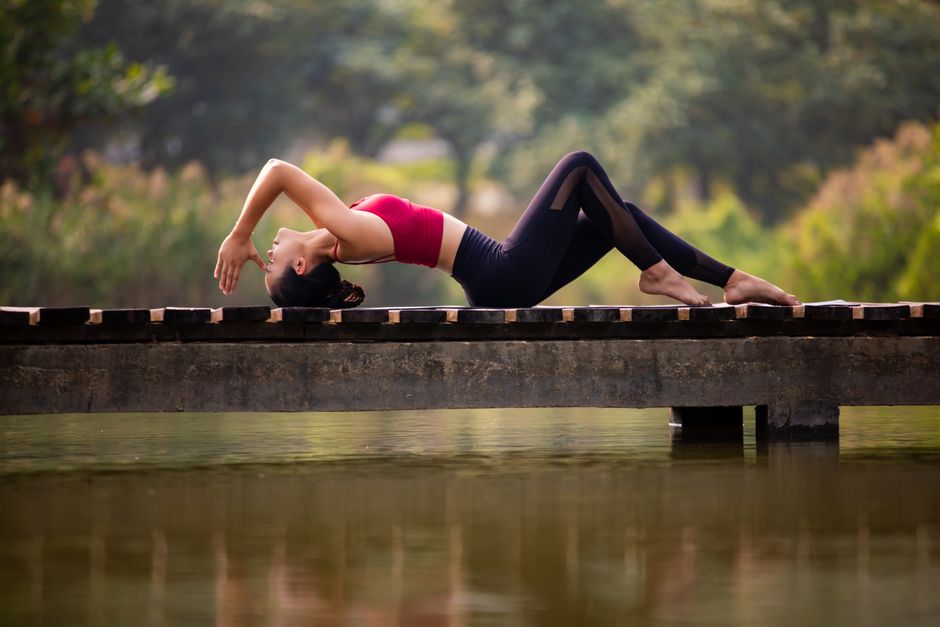
What Actually Causes Crying During or After Yoga?
The short answer is that yoga activates your parasympathetic nervous system. That is the part of your body responsible for rest and digestion. When you move through poses and focus on your breath, your body shifts out of fight-or-flight mode. For many people, this is the first time all day their nervous system feels safe enough to release what it has been holding.
Research published in the Journal of Bodywork and Movement Therapies found that yoga lowers cortisol levels. Cortisol is your main stress hormone. When cortisol drops, your body can access emotions that were previously suppressed. Tears are one way those emotions come out.
There is also a physical component. Hip-opening poses like pigeon or happy baby store a lot of tension. Your hips are connected to your psoas muscle, which is linked to your fight-or-flight response. When you stretch that area, your body may interpret the release as a signal that danger has passed. Crying can follow.
Key point: This is not a sign of weakness or instability. It is a sign your body is doing what it is designed to do — regulate itself.
Is There a Name for This? What Research Shows
Some researchers call it “emotional release” or “somatic experiencing.” But there is no official medical diagnosis for crying after yoga. The American Psychological Association does not list it as a condition. It is simply a normal human response.
A 2019 study in Frontiers in Human Neuroscience looked at how yoga affects emotional regulation. The researchers found that regular yoga practice increases activity in the prefrontal cortex. That is the part of your brain that helps you manage emotions. Over time, yoga makes you more aware of feelings you might normally ignore. That awareness can trigger tears.
Another study from the University of California, Los Angeles tracked women who practiced yoga for eight weeks. The participants reported higher levels of emotional awareness and lower levels of anxiety. Some of them cried during sessions. The researchers noted this was not a negative outcome. It was a sign of emotional processing.
What the evidence does not show: There is no evidence that crying after yoga means you are releasing “trapped trauma” in a literal sense. That language is popular in wellness circles, but it is not backed by clinical research. What is real is that your body is letting go of built-up tension. That is enough. You do not need to attach a dramatic label to it.
Why Do I Cry After Yoga What Your Body Is Doing — A Closer Look
Let us break down the exact sequence your body goes through.
First, you enter a pose that stretches a tight area. Your muscles lengthen. Your fascia, the connective tissue around your muscles, starts to release. This sends a signal to your brain that physical tension is decreasing.
Second, your breath changes. In yoga, you are often instructed to breathe deeply into your belly. This activates the vagus nerve. The vagus nerve runs from your brainstem to your abdomen. When it is stimulated, your heart rate slows, your blood pressure drops, and your body shifts into a calm state.
Third, your hormone levels shift. Cortisol drops. Oxytocin, sometimes called the bonding hormone, may rise. Endorphins are released. This combination can create a wave of emotion that your body expresses as tears.
Fourth, your brain processes the change. If you have been holding stress all day, your brain may interpret the sudden calm as an opportunity to process unresolved feelings. Crying is one output for that processing.
This whole sequence can happen in under a minute. You might not even know why you are crying. That is normal. Your body knows before your mind catches up.





Who Is Most Likely to Cry After Yoga?
Not everyone cries after yoga. But some people are more prone to it than others.
| Group | Why They May Cry More |
|——-|———————-|
| People with high stress jobs | Higher baseline cortisol means more to release |
| Those new to yoga | Body is not used to the deep stretch and breath work |
| Women during hormonal shifts | Hormone fluctuations affect emotional sensitivity |
| People with a history of anxiety | Nervous system is more reactive to calm states |
| Anyone holding grief or loss | Yoga can create a safe space to feel sadness |
This table is based on observational reports and general trends. There is no large-scale study that ranks who cries most. But yoga teachers commonly report that new students and people under high stress are the ones who tear up most often.
If you cry after yoga, you are not alone. Many people do. It is not a sign that something is wrong.
What to Do When It Happens — Practical Steps
You do not need to stop crying. Let it happen. Fighting it will only make you feel worse.
Here are a few things that help:
After class, drink water. Eat something light. Give yourself a few minutes before driving or going back to a busy day. Your body just did something important. Honor that.
If crying happens every single time and leaves you feeling drained for hours, check in with a therapist. Occasional emotional release is healthy. Persistent emotional distress may need more support.
Common Misconceptions About Yoga Tears
There is a lot of misinformation online. Let me clear up a few things.
Myth: Crying after yoga means you are releasing trauma. This is widely claimed, but strong evidence is limited. What is real is that you are releasing tension. Trauma release is a complex process that usually requires professional guidance. Yoga can support that process, but it is not a replacement for therapy.
Myth: If you cry, you are doing yoga wrong. False. There is no right or wrong way to feel during yoga. Tears are not a sign of poor form.
Myth: You should hold back the tears to stay in control. Holding back tears actually increases muscle tension in your throat and chest. That works against what yoga is trying to do. Letting go is safer.
Myth: Only certain types of yoga cause crying. Any style can trigger tears. Restorative yoga and yin yoga are common because they involve long holds. But even a vigorous vinyasa class can lead to tears if your body is ready to release.
If you read something online that sounds dramatic, question it. Most of the viral claims about yoga tears are not backed by solid research. Trust your own experience more than a social media post.
Can You Prevent Crying If You Want To?
Yes, you can reduce the likelihood. But you may not want to.
If crying after yoga bothers you, try these adjustments:
But ask yourself why you want to prevent it. Crying is not dangerous. It is a biological process. If you are in a public class and feel self-conscious, that is understandable. But if you are practicing alone, consider letting the tears come. They are your body’s way of resetting.
Some people report that after they cry in yoga a few times, it stops happening. Their body has released what it needed to. Others cry regularly for years. Both are normal.
Frequently Asked Questions
Is crying after yoga a sign of trauma?
No. It is a sign your nervous system is relaxing. Trauma release is more complex and usually requires professional support.
Should I stop yoga if I cry every time?
No. Crying is not harmful. If you feel emotionally drained afterward, consider a gentler style or shorter sessions.
Does crying after yoga mean I am doing it right?
There is no right or wrong. Crying is just one possible response. It does not mean your practice is better or worse.
Can men cry after yoga too?
Yes. Men experience emotional release during yoga just as women do. It is less commonly reported but not rare.
