

You pour a glass of wine or open a beer, and within a few sips, you are thinking about cookies, chocolate, or something sweet. It is not a coincidence, and it is not a lack of willpower. Alcohol directly changes how your brain regulates blood sugar, appetite, and reward signals. The craving for sugar after drinking is a predictable physiological response with several distinct causes working at the same time.
What Happens to Your Blood Sugar When You Drink?
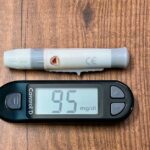
Alcohol affects your liver’s ability to release glucose into your bloodstream. Your liver stores glucose in a form called glycogen and releases it when your body needs energy between meals. When you drink alcohol, your liver prioritizes breaking down the alcohol over releasing glucose. The result is that your blood sugar can drop.
This drop triggers a hunger signal. Your brain recognizes low glucose and pushes you to eat, especially foods that raise blood sugar quickly. Sweet foods and refined carbohydrates do exactly that. The craving is your body asking for fast energy, even if you ate a full meal not long ago.
The effect is stronger on an empty stomach. Food in your digestive system slows alcohol absorption and provides a backup source of glucose. Drinking without food removes that buffer, and the blood sugar dip happens faster.
Why Does Alcohol Specifically Trigger a Sweet Tooth?
Blood sugar is only part of the story. Alcohol also activates the same reward pathways in the brain that sugar activates. Both stimulate dopamine release in the brain’s reward centers. When you drink, the brain gets a dopamine signal. As the alcohol effect begins to fade, the brain wants to maintain that reward feeling. Sugar is the fastest way to trigger that same dopamine response again.
This is why the craving is specifically for sweets, not for a sandwich. You do not crave protein or vegetables because those do not produce the same rapid reward signal. The brain is not looking for balanced nutrition. It is looking for another hit of dopamine, and sugar delivers it quickly.
Research published in several neuroscience journals has shown that alcohol and sugar activate overlapping neural circuits. Some studies suggest that people who regularly consume alcohol may develop a higher preference for sweet tastes over time. This is one reason why sugary cocktails and dessert wines are so appealing. They combine both reward signals into one drink.
Does the Type of Alcohol Matter?
Yes, but not in the way most people think. All alcohol lowers blood sugar and triggers dopamine. The difference is in what else is in the drink.
Mixed drinks contain added sugar. A cocktail made with juice, soda, or syrups delivers a large sugar load at the same time as alcohol. This causes a rapid spike in blood sugar, followed by a crash later. The crash intensifies the craving for more sugar.
Beer and wine are different. Beer contains carbohydrates from malt and grain. Some of these are broken down into sugars during fermentation, but most are not. Dry wine has very little residual sugar. These drinks do not cause an immediate sugar spike, but they still cause the blood sugar dip and dopamine effect that trigger cravings.
The practical takeaway is that sugary mixed drinks may make the cycle worse. You get a bigger initial sugar spike, a sharper crash, and a stronger craving afterward. However, even a glass of dry wine or light beer can produce the same craving response.



Is It Alcohol Withdrawal or Just a Craving?
There is a difference between a passing craving and a sign of physical dependence. A normal craving after a drink or two is mild and goes away once you eat something sweet or the alcohol clears your system.
If you regularly drink heavily and find yourself craving sugar intensely the morning after, the craving may be related to withdrawal. Alcohol withdrawal can include low blood sugar, anxiety, and intense cravings for carbohydrates. This is a more serious situation. The body has adapted to regular alcohol intake, and the absence of alcohol creates a stress response that sugar temporarily relieves.
This distinction matters. Occasional sugar cravings after a drink are normal. Daily intense sugar cravings tied to drinking may point to a pattern that deserves attention. If you are drinking heavily and experiencing withdrawal symptoms, talk to a healthcare provider.
Does Drinking Make You More Likely to Eat Junk Food Overall?
Yes. Alcohol does more than trigger sugar cravings. It also impairs judgment and reduces inhibitions. Even a small amount of alcohol makes it harder to resist food you would normally skip.
Research on alcohol and food choice consistently shows that people eat more high-fat, high-sugar foods when drinking. This is partly biological and partly behavioral. The biological part is the blood sugar dip and dopamine effect. The behavioral part is that you care less about consequences when you have been drinking.
Studies have also found that alcohol increases the amount of food people eat at a meal. This is not just about appetizers at a bar. The effect happens at home too. People who drink with dinner tend to eat more than people who do not drink.
Can You Prevent the Sugar Craving?
You cannot completely eliminate the physiological response to alcohol, but you can reduce its intensity.
- Eat a balanced meal before drinking. Protein, fat, and complex carbohydrates slow alcohol absorption and keep blood sugar more stable.
- Drink water between alcoholic drinks. Dehydration can intensify the physical discomfort that makes you reach for sugar.
- Choose drinks without added sugar if you want to avoid the spike-and-crash cycle.
- Have a plan for after drinking. If you know the craving is coming, decide ahead of time what you will eat.
- Keep a healthier sweet option available. Fruit, yogurt, or a small piece of dark chocolate can satisfy the craving with less sugar than a pastry or candy.
These strategies reduce the craving. They do not eliminate it. The biological response to alcohol includes a sugar signal, and that signal will still occur.
Why Do I Crave Sugar When I Drink Alcohol?
The craving comes from three mechanisms working together. Alcohol lowers blood sugar by stopping the liver from releasing glucose. It activates the same dopamine reward pathways as sugar. And it weakens the self-control that would normally help you resist the craving. These three factors combine to produce a strong, specific desire for something sweet.
Understanding this can help you separate the craving from a genuine need for food. If you have eaten properly and are not hungry, the craving is mostly neurological. It will pass whether you eat sugar or not. Eating a small amount of something sweet is fine, but recognizing the craving as a chemical response rather than a real hunger signal makes it easier to manage.
When Should You Be Concerned About Sugar Cravings After Drinking?
Occasional cravings after a drink are not a health concern. They are a normal part of how alcohol affects the body.
You should pay attention if the cravings are intense, if they happen every time you drink, or if they lead to regular overeating of sugary foods. This pattern can contribute to weight gain and metabolic problems over time.
You should also pay attention if the craving feels like a strong physical need rather than a desire. Intense carbohydrate cravings combined with heavy drinking may indicate a pattern of alcohol dependence. This is not something to manage with willpower alone. A healthcare provider can help you understand what is happening and what steps make sense for your situation.
Frequently Asked Questions
Why does alcohol make me crave sweets?
Alcohol lowers blood sugar and activates the same dopamine reward pathways as sugar. These two effects together produce a strong craving for sweet foods.
Is craving sugar after drinking a sign of alcoholism?
Not by itself. Occasional sugar cravings after drinking are normal. Intense daily cravings combined with heavy drinking may indicate a pattern worth discussing with a healthcare provider.
Does eating before drinking prevent sugar cravings?
Eating a balanced meal before drinking helps keep blood sugar more stable, which can reduce the intensity of the craving. It does not completely prevent it because alcohol still affects dopamine and blood sugar.
Why do I crave carbs the morning after drinking?
Your blood sugar is likely low because alcohol stopped your liver from releasing glucose overnight. Your body signals for fast energy, and carbohydrates are the quickest source.
