
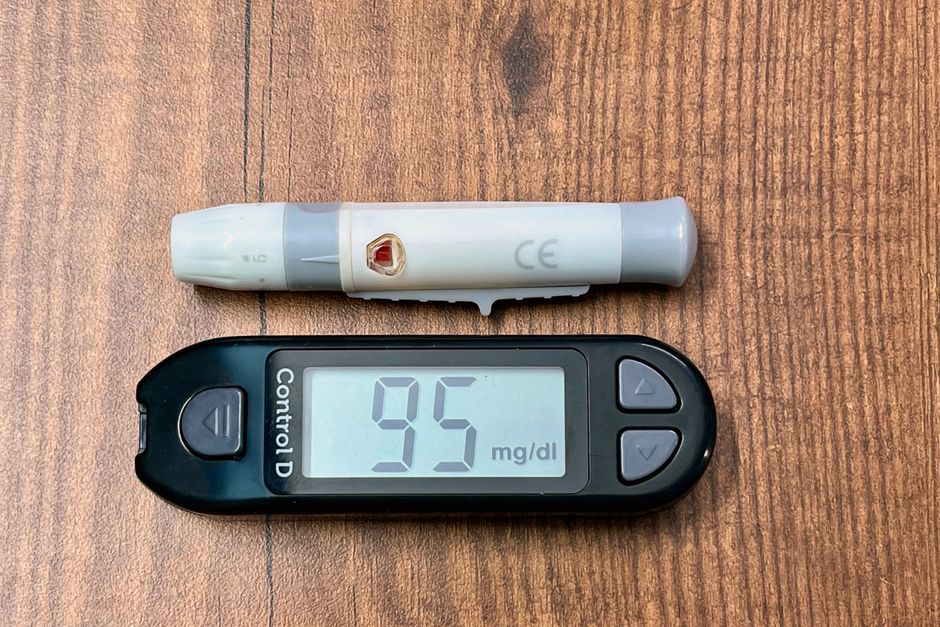
Blood sugar — also called blood glucose — is the amount of sugar circulating in your bloodstream at any given moment. For most adults without diabetes, a normal fasting blood sugar level is between 70 and 99 mg/dL. Two hours after eating, a normal level is generally below 140 mg/dL. Those two numbers form the foundation of how doctors detect and monitor diabetes.
But knowing the numbers is only part of the picture. When you test, what you ate, and whether you have any health conditions all change what “normal” means for you. This guide walks through the ranges, what the tests actually measure, and where the lines between normal and concerning really sit.
What Are The Normal Sugar Level Ranges?
Normal blood sugar is not a single number. It is a range, and that range shifts depending on whether you have eaten and how long it has been since your last meal.
Doctors most often rely on two measurements: fasting glucose and glucose measured two hours after a standardized drink of glucose. The second is called an oral glucose tolerance test.
| Test | Normal | Prediabetes | Diabetes |
|---|---|---|---|
| Fasting glucose | 70–99 mg/dL | 100–125 mg/dL | 126 mg/dL or higher |
| 2-hour glucose (OGTT) | Below 140 mg/dL | 140–199 mg/dL | 200 mg/dL or higher |
| A1C | Below 5.7% | 5.7–6.4% | 6.5% or higher |
These thresholds come from the American Diabetes Association and are widely used in clinical practice. For a diabetes diagnosis, the fasting or OGTT result usually needs to be confirmed with a second test on a different day, unless symptoms are clear and glucose is very high.
A1C measures your average blood sugar over roughly the past two to three months. It does not require fasting, which makes it convenient. It can be less accurate in people with certain anemias, kidney disease, or hemoglobin variants.
How Do Blood Sugar Levels Change Throughout the Day?
Blood sugar rises and falls naturally all day. It is not supposed to stay flat.
After you eat, your digestive system breaks carbohydrates into glucose, which enters the bloodstream. The pancreas releases insulin, a hormone that signals cells to take in that glucose for energy or storage. Within about two hours, levels typically return toward the fasting range.
Between meals and overnight, the liver releases stored glucose to keep your brain and body supplied. This is why fasting levels stay in a narrow band rather than dropping to zero. Early in the morning, a surge of hormones can push glucose up slightly — a pattern called the dawn phenomenon.
Several things push levels higher than usual, even in people without diabetes:
- Illness or infection
- Physical or emotional stress
- Certain medications, including some steroids
- Poor sleep
- Intense exercise, which can briefly raise glucose before lowering it
This is why a single high reading is not automatically meaningful. Context matters, and doctors usually look at patterns over time.
What Is Prediabetes and Why Does It Matter?
Prediabetes means blood sugar is higher than normal but not yet in the diabetes range. Fasting glucose sits between 100 and 125 mg/dL, or A1C falls between 5.7% and 6.4%.
It is common. A large share of US adults have prediabetes, and many do not know it because it usually causes no symptoms. That silence is the problem — without testing, it goes unnoticed.
Prediabetes is not a guarantee that diabetes will follow. Research consistently shows that lifestyle changes can lower the risk of progressing. In landmark diabetes prevention trials, people with prediabetes who lost a modest amount of weight and increased physical activity reduced their risk substantially compared to those who did not.
That said, the exact benefit varies by person. Not everyone with prediabetes progresses, and not everyone who makes changes avoids it. Genetics and other factors play a role that lifestyle cannot fully override.
What Causes Blood Sugar to Rise Too High?
High blood sugar happens when the body either does not make enough insulin or cannot use it effectively. Both problems can occur together.
In type 1 diabetes, the immune system attacks the insulin-producing cells of the pancreas. Insulin production drops sharply, and glucose builds up in the blood because cells cannot take it in.
In type 2 diabetes, the body becomes resistant to insulin. The pancreas initially compensates by making more, but over time it cannot keep up. This is the most common form, and it develops gradually over years.
Other conditions can also raise blood sugar. These include certain hormone disorders, some medications, and stress on the body from severe illness. Pregnancy can trigger gestational diabetes, which usually resolves after delivery but raises the risk of type 2 diabetes later.
One clarification worth making: eating sugar alone does not directly cause diabetes. Type 2 diabetes develops from a mix of genetics, body weight, activity level, and other factors. Diet plays a role, but it is not the single cause.
What Are the Symptoms of High or Low Blood Sugar?
High blood sugar often causes no symptoms until levels are well above normal. When they are, common signs include increased thirst, frequent urination, fatigue, and blurred vision. Over time, persistently high glucose can damage nerves, kidneys, eyes, and blood vessels.
Low blood sugar — usually below 70 mg/dL — is a different problem. It mostly affects people who take insulin or certain diabetes medications. Symptoms include shakiness, sweating, confusion, rapid heartbeat, and hunger. Severe lows can cause fainting or seizures and require immediate treatment.
People without diabetes rarely experience true hypoglycemia, though it can occur in other medical conditions. If you have symptoms that suggest low blood sugar and you do not take glucose-lowering medication, that is worth discussing with a doctor rather than assuming.
How Is Blood Sugar Tested?
There are several ways to measure blood sugar, and each answers a slightly different question.
- Fasting glucose: A blood draw after at least 8 hours without eating. Best for a baseline reading.
- Random glucose: Taken any time of day. Useful when symptoms are present.
- Oral glucose tolerance test: Fasting, then drinking a glucose solution, then measuring again two hours later.
- A1C: A single blood draw that reflects average glucose over two to three months.
- Continuous glucose monitors: A small sensor worn on the skin that tracks glucose throughout the day. These are used mainly by people with diabetes, though some people without diabetes use them too.
Home glucose meters use a drop of blood from a fingertip. They are accurate enough for daily monitoring but are not used alone to diagnose diabetes.
Continuous monitors have grown popular among people without diabetes who want to track how food affects them. It is worth being clear: there is limited evidence that these devices improve health outcomes in people without diabetes. They can provide interesting data, but interesting data is not the same as proven benefit.
When Should You Get Your Blood Sugar Checked?
The American Diabetes Association recommends screening all adults starting at age 35. People with risk factors — such as a family history of diabetes, higher body weight, or certain ethnic backgrounds — may be screened earlier.
If results are normal, repeat testing is generally recommended every three years. If you have prediabetes, testing is usually done more often, often yearly.
Screening matters because type 2 diabetes can develop quietly for years. By the time symptoms appear, complications may already be underway. Catching high glucose early gives more room to act.
If you notice persistent thirst, frequent urination, unexplained weight loss, or blurred vision, do not wait for a scheduled screening. Those symptoms deserve prompt attention.
Frequently Asked Questions
What is a normal blood sugar level after eating?
Two hours after a meal, a normal blood sugar level is generally below 140 mg/dL. Levels between 140 and 199 mg/dL fall into the prediabetes range on a formal glucose tolerance test.
Is 120 mg/dL fasting a concern?
Yes. A fasting glucose of 120 mg/dL falls in the prediabetes range, which is 100 to 125 mg/dL. It does not mean you have diabetes, but it is worth discussing with a doctor.
Can blood sugar be normal one day and high the next?
Yes. Stress, illness, poor sleep, and certain medications can push glucose temporarily higher even in people without diabetes. A single high reading is not a diagnosis.
What A1C level is considered normal?
An A1C below 5.7% is considered normal. Levels from 5.7% to 6.4% indicate prediabetes, and 6.5% or higher on two tests indicates diabetes.
