
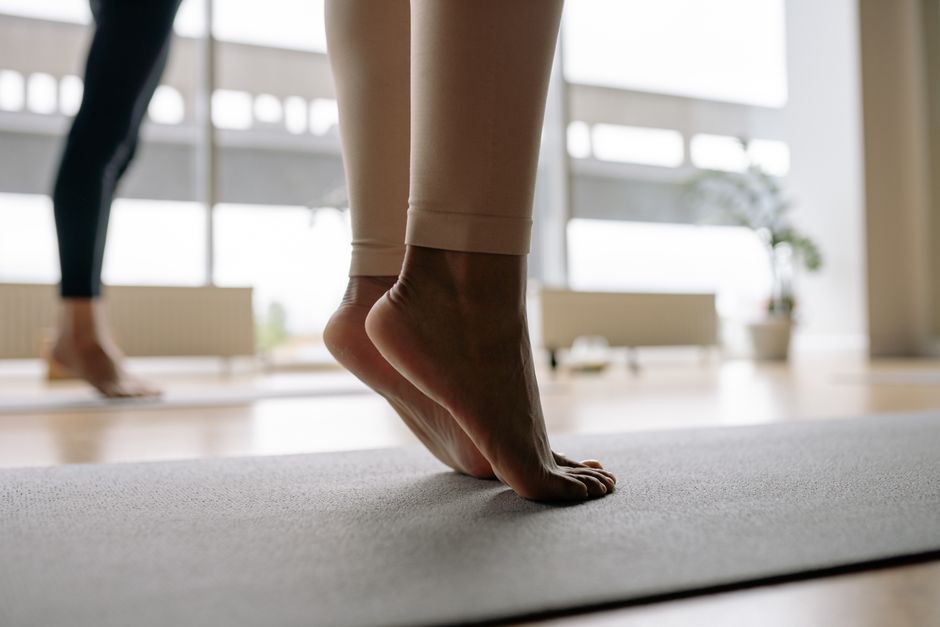
Toe clenching is a common and often unnoticed habit. You might do it while sitting at your desk, lying in bed, or even during sleep. The movement can be a simple response to stress, or it can be a symptom of an underlying neurological or muscular condition. Understanding the specific cause is the first step toward finding lasting relief.
Why Do I Clench My Toes Involuntarily?
Involuntary toe clenching often comes down to how your nervous system communicates with your muscles. When you are stressed or anxious, your body releases hormones that prepare you for a physical threat. This “fight-or-flight” response increases muscle tension throughout the body, and many people hold that tension in their jaw, shoulders, or feet.
For some, toe clenching is a learned habit that has become automatic. For others, it is linked to a neurological condition that causes muscles to contract without conscious control. The pattern of the clenching—whether it is constant, intermittent, or happens only at night—offers clues about the root cause.
What Causes Toe Cramps and Clenching?
Several distinct conditions can cause your toes to curl or cramp. The most common cause is simple muscle fatigue or overuse. Wearing tight shoes or standing for long hours can exhaust the small muscles in your feet, leading to spasms.
Dehydration and electrolyte imbalances also play a significant role. Your muscles need calcium, magnesium, and potassium to relax after contracting. When these minerals are low, muscles can stay contracted or spasm involuntarily.
Nerve compression is another frequent cause. The nerves that control your foot muscles run from your lower spine down your leg. If a nerve is compressed in your back or leg, it can send abnormal signals that cause your toes to clench. This is different from a simple cramp because it is driven by the nervous system rather than the muscle itself.
Is Toe Clenching a Sign of a Neurological Problem?
In some cases, yes. Persistent or severe involuntary toe curling can be a symptom of a neurological disorder. One specific condition is dystonia, a movement disorder where muscles contract involuntarily. When dystonia affects the foot, it can cause the toes to curl under or clench tightly.
Another possible cause is restless legs syndrome (RLS). While RLS is characterized by an urge to move the legs, some people also experience involuntary foot or toe movements. This typically happens in the evening or at night when you are resting.
Peripheral neuropathy, which is nerve damage often caused by diabetes, can also cause abnormal sensations and movements in the feet. If your toe clenching is accompanied by numbness, tingling, burning, or weakness in your feet, you should discuss these symptoms with a doctor. These additional symptoms point to nerve involvement rather than simple muscle tension.




Why Do I Clench My Toes When Falling Asleep?
Clenching your toes as you drift off is frequently tied to the transition between wakefulness and sleep. As your body relaxes, your brain may send mixed signals to your muscles. This is similar to the hypnic jerk—that sudden feeling of falling that wakes you up—but it affects the smaller muscles in your feet.
Anxiety is a major contributor here. When you lie down in a quiet room, your mind may start racing. Your body, still processing stress hormones from the day, responds by keeping your muscles slightly tense. The feet are a common place for this residual tension to settle.
In some cases, night-time toe clenching is related to periodic limb movement disorder (PLMD). This condition causes repetitive movements of the legs and feet during sleep. The movements are involuntary and the person is usually unaware of them until a bed partner notices or the movements disrupt sleep quality.
How to Stop Clenching Your Toes
If your toe clenching is related to stress or muscle tension, there are several techniques you can try at home. The goal is to retrain your muscles and calm your nervous system.
- Stretch regularly: Gently stretch your toes and calf muscles several times a day. Pull your toes back toward your shin and hold for 15-30 seconds.
- Do toe exercises: Practice spreading your toes apart and lifting them individually. This strengthens the opposing muscles and helps break the clenching pattern.
- Use a massage ball: Roll a small ball under your foot to release tension in the plantar muscles.
- Practice relaxation techniques: Deep breathing or progressive muscle relaxation before bed can reduce overall body tension.
- Check your footwear: Shoes that are too narrow or tight can force your toes into unnatural positions. Choose shoes with a wide toe box.
When you notice yourself clenching during the day, simply stopping and consciously relaxing your toes can help. This is a form of habit reversal training. Over time, you become more aware of the automatic clenching and can interrupt the pattern.
When to See a Doctor for Toe Clenching
Occasional toe clenching is normal and usually not a reason for concern. However, you should seek medical advice if the clenching is painful, frequent, or interfering with your daily life. A doctor can help determine whether the issue is muscular, neurological, or related to another condition.
Seek prompt medical attention if you experience toe clenching along with severe pain, sudden weakness in your leg or foot, loss of coordination, or changes in bowel or bladder function. These symptoms can indicate a more serious condition affecting your spine or nervous system.
Your doctor may perform a physical exam, check your reflexes, and possibly order blood tests to check for electrolyte imbalances or thyroid issues. In some cases, nerve conduction studies or imaging of your spine may be recommended. Treatment will depend entirely on the underlying cause. For muscle fatigue, rest and stretching may be all you need. For nerve-related issues, physical therapy or medication might be prescribed.
No clinical guidelines currently exist specifically for treating isolated toe clenching when it is not tied to a diagnosed condition. This means treatment is usually focused on the suspected cause. If your doctor cannot identify a specific underlying disorder, conservative measures like stretching and stress reduction are the most reasonable approach.
Frequently Asked Questions
Can anxiety cause toe clenching?
Yes, anxiety is a common cause of involuntary toe clenching. Stress hormones increase muscle tension throughout the body, and many people unconsciously hold that tension in their feet.
Is toe clenching during sleep dangerous?
Occasional toe clenching during sleep is generally not dangerous. However, frequent movements that disrupt your sleep quality may be a sign of periodic limb movement disorder and should be evaluated by a doctor.
What vitamin deficiency causes toe cramps?
Low levels of magnesium, potassium, or calcium can contribute to muscle cramps and spasms in the feet. A blood test can determine if you have a deficiency.
Can tight shoes cause toe clenching?
Tight shoes can contribute to toe clenching by forcing your toes into cramped positions and fatiguing the small foot muscles. Switching to shoes with a wider toe box may reduce symptoms.
