
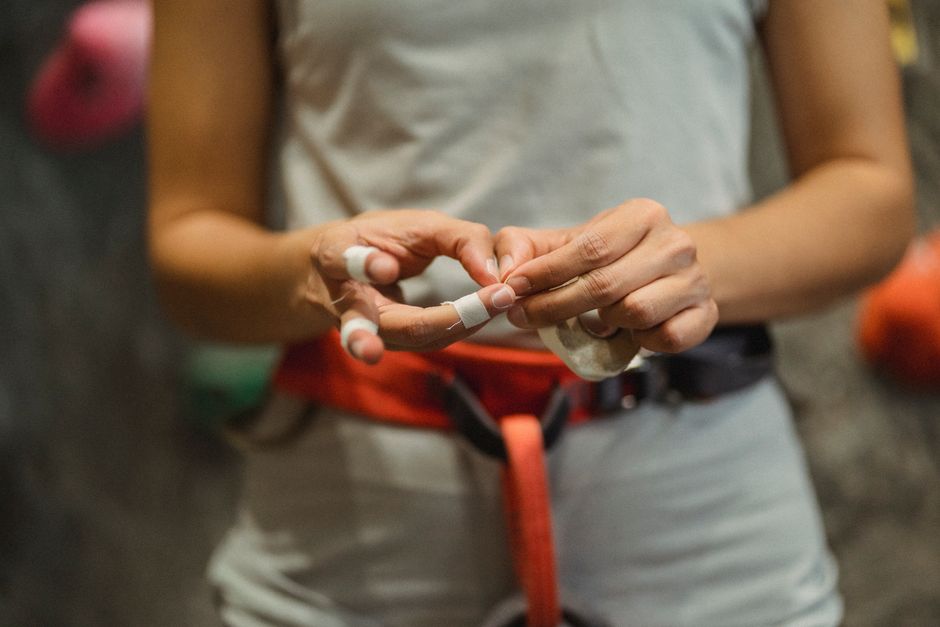
You are typing and your finger suddenly seizes up. It locks in place or curls tight. That is a finger cramp. Most finger cramps are harmless and resolve quickly. They usually happen because a muscle is overworked, tired, or low on fluids and electrolytes. Simple stretches and hydration often stop the cramp. Less commonly, a nerve problem or medical condition may be involved. Understanding the cause helps you choose the right relief.
What Causes Finger Cramping?
Finger cramps occur when a muscle in the hand contracts and will not relax. The most common cause is repetitive use. Typing, writing, gripping tools, or playing a musical instrument can fatigue the small muscles of the hand. When muscles are tired, they are more likely to cramp.
Dehydration and electrolyte imbalances are another frequent cause. Your muscles — including those in your fingers — need the right balance of sodium, potassium, calcium, and magnesium to contract and release properly. If you have been sweating heavily, not drinking enough water, or eating a diet low in these minerals, cramps may follow.
Prolonged holding of one hand position — like sleeping with your fingers curled or keeping your hand in an awkward position — can also trigger a cramp when you move. Pregnancy and certain medications, such as diuretics or statins, can increase cramp frequency. In many cases, no serious underlying issue exists.
How Does Dehydration or Electrolyte Imbalance Cause Cramping?
Muscle contraction depends on electrical signals traveling from nerves to muscle fibers. These signals rely on electrolytes — minerals that carry an electric charge. Sodium and potassium are the main players. Magnesium helps muscles relax after contraction.
When you are dehydrated or low on electrolytes, the fluid around your muscle cells changes. Nerves may fire too easily or at the wrong time. The muscle contracts but cannot release. That is the cramp. Replenishing fluids and electrolytes helps restore normal function. Drinking water alone may not be enough if you have lost significant sodium through sweat. A balanced electrolyte drink or a small salty snack can help.
Can Hand or Finger Position Cause Cramps?
Yes. Holding your hand in the same position for a long time can strain the muscles. Common examples include:
- Sleeping with your wrist bent and fingers curled
- Gripping a steering wheel or tool tightly for extended periods
- Holding a phone or book with an unsupported hand
- Working with your wrist flexed downward while typing or using a mouse
These positions keep the flexor muscles of the fingers partly contracted. When you finally move, the muscle may spasm. Changing positions, taking breaks, and stretching before bed can reduce these cramps.





When Might a Medical Condition Be the Cause?
In some cases, finger cramps point to a nerve or medical problem. Conditions that can cause finger cramping include:
- Carpal tunnel syndrome — compression of the median nerve in the wrist. Cramping in the thumb, index, and middle fingers is common, often with numbness or tingling.
- Cervical radiculopathy — a pinched nerve in the neck that sends pain or cramping into the hand and fingers.
- Dystonia — a movement disorder that causes involuntary muscle contractions. Writer’s cramp is a form of task-specific dystonia.
- Trigger finger — a tendon issue where the finger locks in a bent position. It feels different from a cramp because the finger clicks or catches.
- Arthritis — inflammation can irritate nerves and lead to muscle spasms.
These conditions usually have other symptoms — numbness, pain, weakness, or locking. If cramps are frequent, persistent, or accompanied by other signs, see a doctor for a proper diagnosis.
What Are the Best Ways to Relieve a Finger Cramp?
When a cramp hits, stop what you are doing. Gently straighten your fingers and hold them for 15 to 30 seconds. You can use your other hand to help. Massage the cramped muscle in a slow circular motion. Applying warmth — like a warm towel or heating pad — can increase blood flow and help the muscle relax. If the area feels tender, a cold pack may reduce inflammation.
Shake your hand gently to loosen the muscles. Wiggle your fingers. For cramps linked to typing or writing, take a break and stretch your hands and wrists:
- Extend your arms with palms up, then gently pull fingers back toward you with the other hand.
- Make a fist, then slowly open your fingers wide. Repeat several times.
- Roll your wrists in circles.
If cramps happen often and are not related to position or overuse, consider your fluid and electrolyte intake. Drink water throughout the day. Eating foods rich in potassium (bananas, potatoes, leafy greens), magnesium (nuts, seeds, whole grains), and calcium (dairy, fortified plant milks) may help.
How Can You Prevent Finger Cramps?
Prevention focuses on the same factors as treatment: hydration, electrolyte balance, ergonomics, and stretching. Keep these tips in mind:
- Stay hydrated — especially if you exercise or spend time in heat.
- Take breaks from repetitive hand tasks. Every 30 minutes, stretch your hands for 1 minute.
- Use proper ergonomics — your keyboard and mouse should allow your wrists to stay straight. Avoid bending your wrists up or down.
- Loosen your grip — hold pens, tools, and phones as lightly as possible while still maintaining control.
- Stretch before sleep — especially if you wake up with cramps. Gently stretch your fingers and wrists before bed.
No large clinical trials have confirmed that any specific supplement prevents hand cramps. Some evidence suggests magnesium supplementation may help people who are deficient, but routine supplementation for everyone is not supported. A balanced diet is the better approach.
Why Is My Finger Cramping? Causes And Relief
To summarize: finger cramps are usually caused by overuse, dehydration, electrolyte imbalance, or awkward hand positions. Relief comes from gentle stretching, massage, heat or cold, and addressing fluid and salt intake. Most cramps are temporary and not dangerous. If cramps are frequent, severe, or accompanied by numbness, tingling, or weakness, a medical evaluation is appropriate. Simple preventive habits — staying hydrated, taking breaks, using good hand position — reduce how often they happen.
Frequently Asked Questions
Can a finger cramp be a sign of something serious?
Most finger cramps are not serious. However, frequent cramping with numbness or weakness may indicate a nerve issue like carpal tunnel syndrome or a pinched nerve in the neck, and should be assessed by a doctor.
How long does a finger cramp usually last?
A typical finger cramp lasts from a few seconds to a minute. Stretching the finger usually stops it quickly. If cramps persist for longer or happen repeatedly, a medical condition could be involved.
Does drinking pickle juice help finger cramps?
Some people report fast relief from pickle juice, likely due to its salt and vinegar content. Small studies suggest it may shorten cramp duration, but the effect is not fully understood. It is not a standard treatment, but is generally safe for most adults.
Can vitamin deficiency cause finger cramps?
Low levels of magnesium, potassium, or calcium can contribute to muscle cramps, including in the fingers. A vitamin D deficiency may also play a role because it affects calcium absorption. A blood test can confirm a deficiency before supplementing.
