
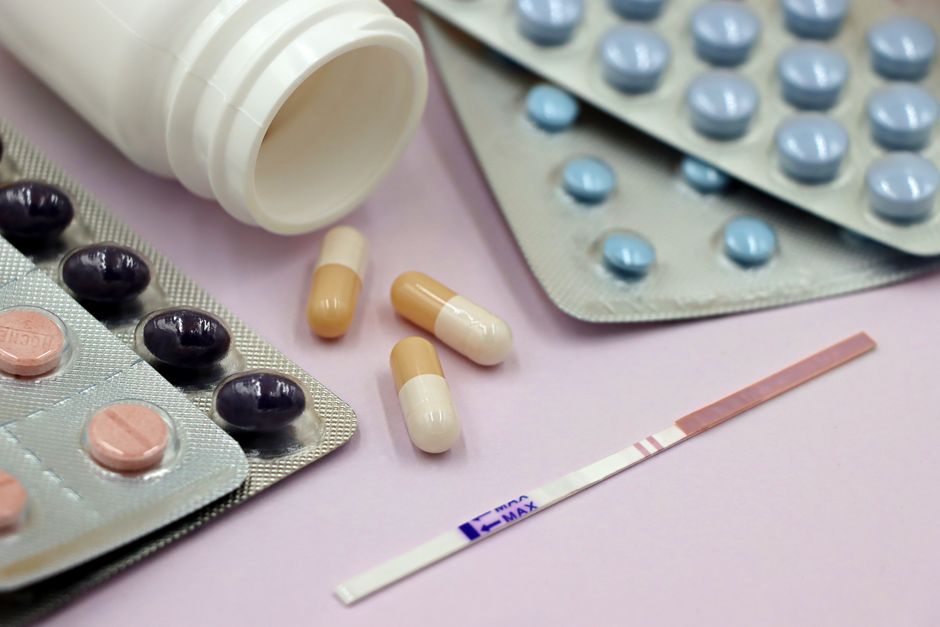
Morning sickness happens because pregnancy hormones, especially hCG (human chorionic gonadotropin), rise rapidly in the first trimester. This hormonal surge affects your stomach and brain, triggering nausea. For most people, symptoms peak around week 9 and fade by week 14. Relief comes from small, frequent meals, ginger, vitamin B6, and avoiding triggers like strong smells.
What causes morning sickness at the hormonal level?
The main driver is human chorionic gonadotropin (hCG). This hormone is produced by the placenta shortly after implantation. Levels double every 48 to 72 hours in early pregnancy. Higher hCG levels are linked to more nausea. That is why women carrying twins or multiples — who produce more hCG — often have worse morning sickness.
Estrogen also rises sharply in the first trimester. High estrogen can slow stomach emptying and make the sense of smell more sensitive. Both effects contribute to nausea. Progesterone, another pregnancy hormone, relaxes smooth muscle throughout the body. This includes the digestive tract, which slows digestion further and can cause queasiness.
Thyroid hormones sometimes play a role too. hCG can stimulate the thyroid gland because it shares a similar structure with thyroid-stimulating hormone (TSH). This can cause a temporary spike in thyroid hormone levels, which some researchers think worsens nausea in certain women.
Why is morning sickness worse at certain times of day?
Despite the name, morning sickness does not only happen in the morning. For many women, nausea is worst upon waking. Stomach acid builds up overnight, and blood sugar levels drop after hours without food. Both factors make the stomach more sensitive to hormonal changes first thing in the day.
But some people feel worse in the afternoon or evening. This variation depends on individual triggers like fatigue, hunger, or smell exposure. There is no single “worst time” for everyone. What matters most is finding your personal pattern and working around it.
When does morning sickness start and end?
Nausea typically begins around week 6 of pregnancy. For some women, it starts as early as week 4 — sometimes before they even know they are pregnant. Symptoms usually peak between week 8 and week 10. That timing matches the highest hCG levels in the bloodstream.
By week 14, most women notice significant improvement. hCG levels begin to fall after the first trimester. The placenta takes over hormone production from the ovaries, and the body adjusts to the hormonal changes. For about 10 to 20 percent of women, nausea lasts past week 20. A small number experience it throughout the entire pregnancy.




What actually helps with morning sickness relief?
Several approaches have real evidence behind them. Vitamin B6 is the most studied supplement for pregnancy nausea. Research consistently shows that 10 to 25 milligrams taken three or four times daily reduces nausea severity. Many doctors recommend it as a first step.
Ginger is another well-supported option. Studies have found that 250 milligrams of ginger extract taken up to four times daily can reduce nausea and vomiting. Ginger chews, tea, or capsules all work. The active compounds in ginger block certain nausea signals in the digestive tract.
Small, frequent meals help keep blood sugar stable and prevent an empty stomach. Eating five to six small meals instead of three large ones is a common strategy. Bland foods like crackers, toast, or rice are easier to tolerate. Cold foods often smell less, making them more tolerable than hot meals.
Acupressure bands — the wristbands sold for motion sickness — have mixed evidence. Some women report relief. The studies are not strong enough to recommend them as a primary treatment, but they are safe to try.
When is morning sickness actually hyperemesis gravidarum?
Hyperemesis gravidarum is severe nausea and vomiting during pregnancy. It goes far beyond typical morning sickness. The key difference is that it causes weight loss, dehydration, and electrolyte imbalances. Women with hyperemesis cannot keep down food or fluids and often need medical treatment.
Signs that morning sickness has crossed into hyperemesis include losing more than 5 percent of pre-pregnancy body weight, dark urine, feeling dizzy when standing, and vomiting blood. This condition affects about 1 to 3 percent of pregnancies. It requires medical attention, sometimes including IV fluids and anti-nausea medications.
Severe hyperemesis can be dangerous for both mother and baby if untreated. Do not try to manage it at home with ginger and crackers alone. If you cannot keep fluids down for more than 24 hours, call your doctor.
Do certain foods or smells make morning sickness worse?
Yes. Strong smells are a common trigger because pregnancy hormones heighten the sense of smell. Common offenders include coffee, cooking meat, perfumes, gasoline, and cigarette smoke. Avoiding these triggers is often easier than treating the nausea after it starts.
Greasy, spicy, or acidic foods can irritate the stomach lining and worsen symptoms. Large meals are harder to digest, especially when digestion is already slowed by progesterone. Carbonated drinks sometimes help settle the stomach, but sugary sodas can cause blood sugar spikes and crashes that make nausea worse.
Some women develop food aversions during early pregnancy. This is normal and usually temporary. Do not force yourself to eat foods that trigger nausea. Focus on whatever you can tolerate, even if it is not a balanced diet for a few weeks. Prenatal vitamins fill nutritional gaps during this period.
Can morning sickness be prevented before it starts?
There is no proven way to prevent morning sickness entirely. Some research suggests that women who take prenatal vitamins starting at least one month before conception have less severe nausea. The benefit may come from adequate B vitamin levels before pregnancy begins.
Eating before getting out of bed in the morning can help reduce symptoms. Keep crackers or dry toast on your nightstand and eat a few before standing up. This prevents the drop in blood sugar that often triggers morning nausea.
Staying hydrated is important but can be tricky when drinking water makes you queasy. Sipping small amounts throughout the day works better than chugging a glass at once. Some women find that cold water, ice chips, or adding lemon or mint to water makes it easier to drink.
Is morning sickness a sign of a healthy pregnancy?
Some research suggests that women who experience nausea and vomiting in early pregnancy have a slightly lower risk of miscarriage. This association is real but weak. Many women with healthy pregnancies have no morning sickness at all. The absence of nausea does not mean something is wrong.
The link between nausea and lower miscarriage risk likely comes down to hormone levels. Women with higher hCG and estrogen levels tend to have more nausea and also tend to have more robust pregnancies. But this is a statistical pattern, not a guarantee for any individual woman. Do not worry if you have no nausea, and do not assume severe nausea means everything is fine.
Frequently Asked Questions
Why do some women never get morning sickness?
Some women have a lower sensitivity to rising hCG and estrogen levels, or their bodies adjust more quickly to the hormonal changes of pregnancy. It is normal and does not mean the pregnancy is less healthy.
Can morning sickness hurt my baby?
Typical morning sickness does not harm the baby because the body has nutrient stores to draw from during the first trimester. Only severe vomiting that causes weight loss and dehydration — hyperemesis gravidarum — poses a risk and needs medical treatment.
Does morning sickness get worse with each pregnancy?
Not consistently. Some women report worse nausea in later pregnancies, but others find it improves. Each pregnancy has a different hormonal profile, and factors like fatigue and caring for other children can make symptoms feel more intense.
What medications are safe for morning sickness?
Vitamin B6 and doxylamine (an antihistamine found in Unisom) are considered safe and are often used together. Your doctor can recommend prescription options like ondansetron or metoclopramide if over-the-counter treatments do not work.
