
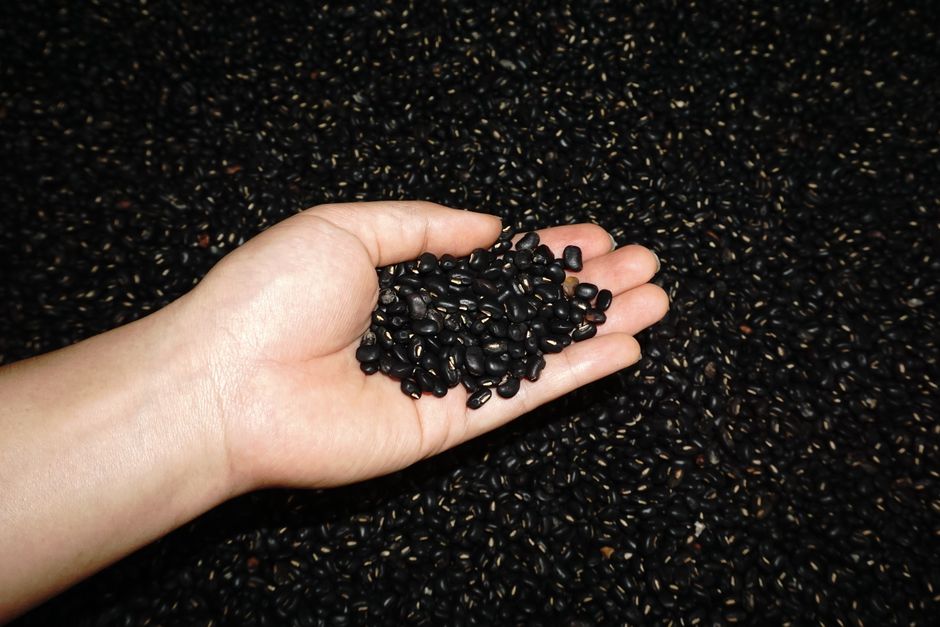
Beans contain large amounts of complex sugars called oligosaccharides, specifically raffinose and stachyose. The human body does not produce the enzyme needed to break these sugars down in the small intestine. Instead, they travel intact to the large intestine, where gut bacteria ferment them, producing carbon dioxide, hydrogen, and methane gas. That fermentation process is why beans cause flatulence.
What Exactly Is in Beans That Causes Gas?
The primary culprits are oligosaccharides. These are chains of sugar molecules linked together. Raffinose and stachyose are the two main types found in beans.
Humans lack the enzyme alpha-galactosidase in their digestive tract. Without this enzyme, the body cannot split these sugar chains into absorbable single sugars. The undigested oligosaccharides pass through the stomach and small intestine unchanged.
When they reach the colon, bacteria that naturally live there feast on them. The bacteria break the sugars down through fermentation. This process releases gas as a byproduct. The gas accumulates and eventually needs to be released.
Other legumes like lentils, chickpeas, and peas contain the same sugars. So they produce the same effect. The amount of gas varies based on the specific bean and how it was prepared.
Why Do Some Beans Cause More Gas Than Others?
Not all beans are equal when it comes to gas production. The concentration of oligosaccharides differs between varieties.
Soybeans and pinto beans are often reported to cause more gas. Black beans and kidney beans tend to be somewhat milder for some people. However, individual response varies widely.
Your personal gut bacteria composition plays a major role. Some people have bacteria that ferment these sugars more aggressively. Others have a microbiome that produces less gas during fermentation.
How the beans were processed also matters. Canned beans are typically lower in oligosaccharides than dried beans because the canning process involves soaking and high heat, which leaches some sugars into the liquid. Discarding the canning liquid reduces gas-causing sugars further.
Does Soaking and Rinsing Beans Actually Help?
Yes. Soaking dried beans before cooking reduces oligosaccharide content. The sugars are water-soluble, so they leach out into the soaking water.
For maximum effect, soak beans overnight or for at least 8 hours. Drain the soaking water and rinse the beans thoroughly before cooking. Use fresh water for cooking, not the soaking water.
Some research suggests that longer soaking times reduce more of the gas-causing sugars. One study found that soaking beans for 12 hours removed a significant portion of oligosaccharides compared to shorter soaking periods.
Sprouting beans before cooking reduces oligosaccharides even further. The sprouting process activates enzymes in the bean that break down the complex sugars. This method takes more planning but can be effective for people sensitive to beans.
Pressure cooking also appears to reduce oligosaccharide content more than regular boiling. The higher temperatures break down more of the complex sugars.




Do Gas-Reducing Products Work?
Several over-the-counter products claim to reduce bean-related gas. The most common one contains the enzyme alpha-galactosidase, which is exactly what the human body lacks.
Products like Beano work by providing this enzyme. When taken with the first bite of beans, the enzyme breaks down oligosaccharides in the stomach before they reach the colon. This prevents fermentation and gas formation.
Clinical studies have shown these enzyme products reduce flatulence in people who consume beans. They do not eliminate gas entirely but significantly reduce both the frequency and intensity of episodes.
These products are generally considered safe. They are not absorbed systemically. They work locally in the digestive tract. People with known allergies to mold or mold-derived products should check labels, as the enzyme is often derived from a mold source.
Activated charcoal products are also marketed for gas relief. The evidence for their effectiveness is weaker. Some studies show modest benefit, but results are inconsistent. Charcoal may also interfere with medication absorption, so consult a pharmacist before using it regularly.
Will Your Body Eventually Adapt to Beans?
Yes, for many people. Your gut bacteria can adjust to a higher fiber diet over time.
When you first introduce beans, the bacteria that ferment oligosaccharides multiply and become more active. This can actually produce more gas initially. But over the course of several weeks, the microbiome shifts.
The bacterial population changes to handle the sugars more efficiently. Some research suggests that regular bean consumption leads to reduced gas production over time. The adaptation is not universal, but it is common.
Starting with small portions and gradually increasing intake gives your digestive system time to adapt. Eating beans two to three times per week rather than once can help maintain the adapted state.
This adaptation is one reason traditional bean-eating cultures have fewer complaints about gas. Their gut microbiomes are accustomed to regular legume intake.
Are There Other Foods That Cause the Same Problem?
Yes. Oligosaccharides are not unique to beans. Several other foods contain these same complex sugars.
Cruciferous vegetables like broccoli, cabbage, and Brussels sprouts contain raffinose. Onions, garlic, and leeks contain fructans, another type of fermentable carbohydrate. Wheat and rye also contain fructans.
These foods are grouped together as fermentable oligosaccharides, disaccharides, monosaccharides, and polyols, commonly called FODMAPs. The low-FODMAP diet, developed for irritable bowel syndrome management, restricts these foods.
Beans are high in GOS, or galacto-oligosaccharides, which is a specific FODMAP category. People with irritable bowel syndrome often experience more severe symptoms from beans than people without the condition.
Understanding that other foods cause similar gas can help you identify patterns. If beans alone are the problem, the enzyme products work well. If many high-FODMAP foods cause symptoms, a broader dietary approach may be needed.
When Should Gas Be a Concern?
Gas from beans is normal and harmless. But persistent, severe, or painful gas can signal an underlying issue.
See a doctor if you experience gas accompanied by abdominal pain that does not resolve, unexplained weight loss, blood in the stool, or changes in bowel habits lasting more than a few weeks. These symptoms warrant medical evaluation.
Excessive gas combined with diarrhea or constipation could indicate irritable bowel syndrome. A healthcare provider can help determine if your symptoms fit this pattern.
Gas that is extremely foul-smelling, rather than the typical odor, may indicate malabsorption issues or an overgrowth of certain bacteria in the small intestine. This condition, called SIBO, requires medical diagnosis and treatment.
For most people, bean-related gas is a minor inconvenience. It does not indicate a health problem. It is simply the normal result of feeding beneficial bacteria in your colon.
Practical Tips to Reduce Bean Gas
Several strategies can help you enjoy beans with less discomfort. These are based on the mechanism of oligosaccharide fermentation and have practical support.
- Soak dried beans overnight and discard the soaking water.
- Rinse canned beans thoroughly before using them.
- Cook beans with a piece of kombu seaweed, which some research suggests helps break down complex sugars.
- Start with small portions and gradually increase serving size over several weeks.
- Take an alpha-galactosidase enzyme product with your first bite of beans.
- Chew beans thoroughly to begin mechanical breakdown in the mouth.
- Stay hydrated to help move fiber through the digestive tract.
No single strategy works for everyone. Combining several approaches often yields the best results. Experiment to find what works for your body.
Frequently Asked Questions
How long does bean gas last after eating beans?
Gas typically begins 2 to 4 hours after eating beans and can last for several hours as the oligosaccharides move through the colon. The duration depends on your digestive transit time and the amount of beans consumed.
Does rinsing canned beans remove gas-causing sugars?
Yes, rinsing canned beans removes a meaningful portion of oligosaccharides. Studies show that draining and rinsing canned beans can reduce gas-causing sugars by about 30 to 40 percent.
Are some beans less likely to cause gas than others?
Some people report fewer symptoms with black beans, lentils, and adzuki beans compared to soybeans and pinto beans. Individual responses vary widely, and preparation method matters more than bean variety in most cases.
Can you take gas-relief medication before eating beans to prevent gas?
Yes, enzyme products containing alpha-galactosidase are effective when taken with the first bite of beans. Simethicone products, which break up gas bubbles, work after gas has formed but do not prevent fermentation.
