
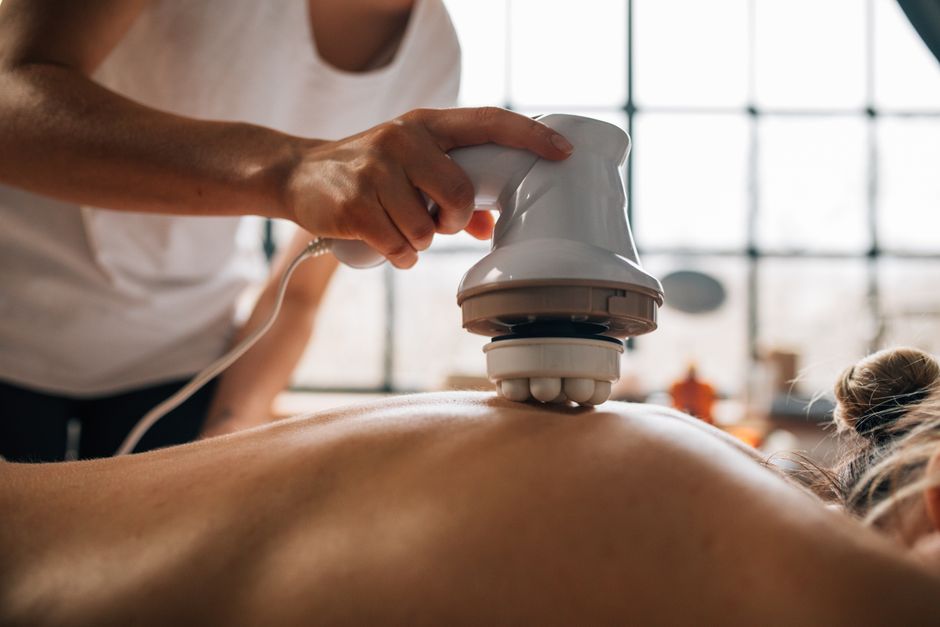
Massages feel good because your body responds with a real biological cascade. Pressure receptors under your skin send signals to your brain that lower stress hormones, release natural painkillers, and switch your nervous system into a calm state. It is a direct physical reaction, not just a feeling of being pampered.
What Happens in Your Body When You Get a Massage?
The moment a therapist applies pressure to your skin, specialized nerve endings called mechanoreceptors activate. These receptors are built to detect touch, pressure, and stretch. They send signals up your spinal cord to your brainstem and higher brain areas.
Your brain responds in two main ways. First, it triggers the parasympathetic nervous system — the branch that controls rest and digestion. Your heart rate slows, blood pressure drops slightly, and your breathing deepens. Second, your brain releases a mix of neurotransmitters that change how you feel.
This is not subtle. Research consistently shows that even a single massage session can reduce cortisol (a stress hormone) and increase serotonin and dopamine (mood-boosting chemicals). The physical pressure itself changes how your body operates.
Why Do Massages Feel Good? The Key Mechanisms
Three main biological processes explain most of the pleasure you feel. First, endorphins — your body’s natural pain relievers — are released during massage. These chemicals bind to opioid receptors in your brain, producing a sense of well-being and mild euphoria.
Second, oxytocin levels rise. Often called the “bonding hormone,” oxytocin increases feelings of trust and calm. Skin-to-skin contact is one of the most reliable ways to release it, and massage provides that contact even through a sheet or with oil.
Third, massage reduces the activity of your sympathetic nervous system — the fight-or-flight system. When this system calms down, your muscles relax, your digestion improves, and you feel less alert to threats. That feeling of “melting into the table” is real physiology.
How Stress Hormones Affect Your Massage Experience
Cortisol is the primary stress hormone your body releases when it perceives danger. Chronic high cortisol is linked to anxiety, poor sleep, and inflammation. Studies measuring cortisol before and after massage consistently show a significant drop, often within 30 minutes of starting.
This drop in cortisol is one reason massages feel so good. Your brain interprets lower cortisol as safety. When your body stops feeling threatened, it can shift energy toward repair and relaxation instead of survival.
The effect is not permanent. A single massage lowers cortisol for hours, sometimes up to a day. Regular massage appears to help maintain lower average cortisol levels, though the evidence for long-term reduction is less clear.





The Science of Touch and Emotional Connection
Human touch is wired into your biology from birth. Specific nerve fibers called C-tactile afferents only respond to slow, gentle stroking — exactly the kind of touch used in relaxation massage. When these fibers fire, they send signals directly to brain regions involved in emotion and social bonding.
Some research suggests that massage activates the same brain circuits as social bonding and affection. This may explain why massage feels emotionally comforting, not just physically relieving. The brain does not draw a sharp line between physical touch and emotional connection.
This effect is not limited to massage from a therapist. Self-massage, partner massage, or even a long hug can trigger similar responses, though the trained technique of a professional massage tends to produce stronger physiological changes.
Can Massages Help With Muscle Pain and Recovery?
Massage does more than just feel good. For muscle soreness, the evidence is mixed but generally positive. Some studies show that massage reduces delayed onset muscle soreness — the pain you feel 24 to 48 hours after exercise — by about 30% compared to no treatment.
The mechanism is not simply “knots getting worked out.” Massage appears to reduce inflammation at the cellular level and improve blood flow to affected tissues. However, it does not flush out lactic acid faster, a common myth that research has disproven.
For chronic pain conditions like low back pain, the evidence is less strong. Some systematic reviews find that massage provides short-term relief but no more than other treatments like exercise. It remains a reasonable option, but not a proven cure for chronic pain.
Are There Risks or Downsides to Massage?
Most people can receive massage safely. However, certain conditions require caution. Deep tissue massage can cause bruising, soreness, or even injury if applied too aggressively. People with blood clots, skin infections, or recent fractures should avoid massage in affected areas.
Pregnant women should seek therapists trained in prenatal massage. Some pressure points in the ankles and lower back are traditionally avoided during pregnancy, though clinical evidence supporting these precautions is limited.
If you have a serious medical condition — cancer, heart disease, or bleeding disorders — check with your doctor before getting a massage. A good therapist will ask about your medical history and adjust their technique accordingly.
Frequently Asked Questions
Can massages release emotional trauma?
Some people experience emotional release during massage, but this is not well studied. The physical relaxation can bring buried emotions to the surface, though the effect varies widely between individuals.
How long do the feel-good effects of a massage last?
The immediate relaxation usually lasts several hours, and some studies show improved mood for up to 24 hours. Regular massage may produce more lasting changes in stress levels.
Is it better to get a massage before or after exercise?
Pre-exercise massage can reduce muscle stiffness temporarily, but the evidence for performance improvement is weak. Post-exercise massage is more commonly studied and may help reduce soreness.
Does self-massage work as well as a professional massage?
Self-massage can trigger some of the same pressure receptors and promote relaxation, but it is less effective for reaching deeper muscles and for activating the parasympathetic response fully.
