
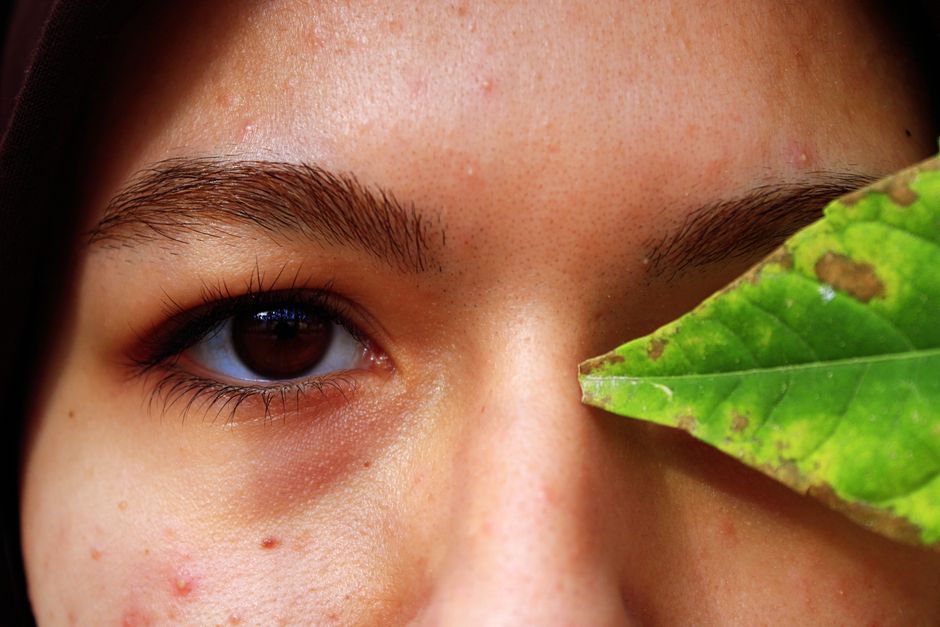
Eyelid dermatitis is a common skin condition that causes red, itchy, dry, or swollen eyelids. It happens when the thin skin on your eyelids reacts to something it touches or an underlying skin condition like eczema. The main causes include allergic reactions to products like makeup or eye drops, irritants such as soaps or preservatives, and chronic skin conditions like atopic dermatitis or seborrheic dermatitis.
What Is Eyelid Dermatitis?
Eyelid dermatitis refers to inflammation of the skin on the upper or lower eyelids. The skin here is the thinnest on your body, so it is easily irritated. It can appear as redness, flaking, scaling, swelling, or small bumps. Some people feel itching or burning.
There are two main types: allergic contact dermatitis and irritant contact dermatitis. A third type, atopic dermatitis (eczema), also commonly affects eyelids. Each has different triggers and requires a different approach to management.
What Causes Dermatitis On Eyelids?
Dermatitis on the eyelids is usually caused by something that touches the skin directly. This is called contact dermatitis. The most frequent causes are:
- Allergens — substances that trigger an allergic reaction. Common allergens include nickel in eyeglass frames, fragrances in skincare products, preservatives in eye drops or makeup, and certain nail polishes or hair dyes that get transferred to the eyelids.
- Irritants — substances that damage the skin’s outer layer. Soaps, shampoos, face washes, chlorine, and some medications can act as irritants. Even water from hard water can be irritating for some people.
- Atopic dermatitis — a chronic inflammatory skin condition often inherited. People with eczema elsewhere on their body may also have flare-ups on their eyelids.
- Seborrheic dermatitis — a common condition that causes scaly, greasy patches, often on the scalp and eyebrows. It can also affect the eyelids along the lash line.
- Rosacea — a facial skin condition that can cause redness and bumps on the eyelids, called ocular rosacea.
- Infection — blepharitis (inflammation of the eyelid margins) is often caused by bacteria or mites and can mimic or accompany dermatitis.
Less common causes include reactions to oral medications, autoimmune diseases like lupus, or contact with plants like poison ivy. However, contact with a specific substance is the most likely culprit for most people.
Allergic Contact Dermatitis vs. Irritant Contact Dermatitis
These two types look similar but have different mechanisms. Allergic contact dermatitis is a delayed immune reaction. Your body sees a substance as a threat and reacts 12 to 48 hours after exposure. Even a tiny amount of the allergen can cause a reaction.
Irritant contact dermatitis is not an immune reaction. It happens when a substance directly damages the skin’s protective barrier. This type can occur after a single strong exposure or repeated mild exposures over time. Soap, water, and friction are common irritants.
Distinguishing between the two is important for treatment. Allergic contact dermatitis often requires identifying and avoiding a specific allergen, sometimes with patch testing. Irritant contact dermatitis usually improves when you stop using the irritating product and let the skin heal.





Eczema on Eyelids: Atopic Dermatitis
Atopic dermatitis is a genetic, chronic condition that causes dry, itchy, inflamed skin. When it affects the eyelids, it often appears as red, scaly patches that feel sensitive. It may be part of a broader pattern of eczema on the face, neck, and flexor surfaces of the arms and legs.
People with atopic dermatitis have a weaker skin barrier. Their eyelids are especially vulnerable because the skin is already thin. Triggers include dry air, stress, sweating, and certain fabrics. Unlike contact dermatitis, atopic dermatitis does not require a specific allergen to flare.
Management focuses on moisturizing, avoiding triggers, and using prescribed topical medications like corticosteroids or calcineurin inhibitors. Over-the-counter hydrocortisone may be too strong or too weak depending on the severity; always follow a doctor’s advice for steroid use on the face.
Seborrheic Dermatitis on Eyelids
Seborrheic dermatitis is a common, chronic inflammatory condition linked to an overgrowth of yeast (Malassezia) that lives on oily skin. On the eyelids, it typically appears as greasy, yellowish scales along the lash line. It may also affect the eyebrows, nose folds, and scalp.
Unlike allergic or irritant dermatitis, seborrheic dermatitis is not caused by something you touch. It is a chronic condition that comes and goes. Flare-ups can be triggered by stress, cold weather, or hormonal changes. Treatment includes gentle cleansing, anti-dandruff shampoos used on the scalp and eyebrows, and sometimes antifungal creams or low-potency steroids prescribed by a dermatologist.
Other Possible Causes
Several other conditions can cause eyelid dermatitis or mimic it.
- Blepharitis — inflammation of the eyelid margins, often due to bacteria or meibomian gland dysfunction. It causes redness, crusting, and itching. It is not true dermatitis but can look very similar.
- Ocular rosacea — a subtype of rosacea that affects the eyes and eyelids. It may cause burning, redness, and styes. It requires specific treatments like oral antibiotics or cyclosporine eye drops.
- Contact urticaria — a rare immediate allergic reaction (hives) to a substance, such as latex or certain foods, that can occur on the eyelids.
- Drug eruptions — oral medications like ACE inhibitors, sulfa drugs, or some antibiotics can cause a rash on the eyelids.
If eyelid dermatitis does not improve with simple avoidance of products, or if it spreads or affects vision, a dermatologist or eye doctor should evaluate it.
How Is Eyelid Dermatitis Treated?
Treatment depends on the cause. For contact dermatitis, the first step is stopping exposure to the offending substance. This can be difficult because the reaction may appear days after exposure. Keeping a diary of products used may help identify the trigger.
For symptoms, doctors often recommend:
- Moisturizers — fragrance-free, hypoallergenic creams or ointments (such as plain petrolatum) to restore the skin barrier.
- Topical corticosteroids — prescribed by a doctor. Low-potency steroids like hydrocortisone 1% are sometimes used, but only for short periods (a few days to a week). Stronger steroids can cause thinning of the eyelid skin or worsen conditions like glaucoma.
- Calcineurin inhibitors — such as tacrolimus or pimecrolimus. These are non-steroid medications that reduce inflammation. They are often used on the eyelids because they do not cause skin thinning.
- Antihistamines — oral antihistamines may help with itching, especially at night.
For seborrheic dermatitis or atopic dermatitis, long-term management includes gentle cleansing, moisturizing, and avoiding triggers. Prescription treatments are tailored to the individual. No single product works for everyone.
How to Prevent Eyelid Dermatitis From Returning
Prevention is largely about identifying and avoiding triggers. Here are practical steps:
- Check your products. Look at ingredients in eye creams, makeup, sunscreen, and cleansers. Common allergens include fragrances, preservatives (like formaldehyde-releasers), and certain oils.
- Patch test new products. Apply a small amount behind your ear or on your inner arm for a few days before using near your eyes.
- Use gentle skincare. Avoid harsh soaps, scrubs, or astringents on the face. Use lukewarm water and pat dry.
- Be careful with nail products. Many people touch their eyelids with nails that still contain polish or gel, causing a delayed reaction.
- Wear protective gear. If you work with chemicals or allergens, wear goggles or a face shield.
- Manage underlying conditions. If you have eczema, rosacea, or seborrheic dermatitis, follow your treatment plan to reduce flare-ups.
If you know you are allergic to nickel, avoid eyeglass frames with nickel content. Look for titanium or plastic frames. If you have sensitive skin, choose hypoallergenic, fragrance-free products labeled for sensitive skin.
When to See a Doctor
See a doctor if eyelid dermatitis does not go away after avoiding possible triggers for one to two weeks. Also seek care if you have severe swelling, pain, crusting, or if your vision changes. A dermatologist can perform patch testing to identify specific allergens. An eye doctor (ophthalmologist) can rule out other conditions like blepharitis or ocular rosacea.
Do not use over-the-counter steroid creams for more than a few days on the eyelids without medical advice. Prolonged use can cause skin thinning, stretch marks, and even glaucoma if the steroid gets into the eye.
Frequently Asked Questions
Can eyelid dermatitis be caused by stress?
Stress itself does not cause dermatitis, but it can worsen existing conditions like atopic dermatitis or seborrheic dermatitis. It may also lead to habits like rubbing the eyes that further irritate the skin.
How long does eyelid dermatitis take to go away?
With proper avoidance of the cause, mild cases often improve within a few days to two weeks. Chronic conditions like atopic dermatitis may require ongoing management and may flare again.
Is eyelid dermatitis contagious?
No. Eyelid dermatitis from allergies, irritants, or eczema is not contagious. However, if an infection like blepharitis is present, the underlying bacteria can spread, but that is not the same as contagious dermatitis.
What should I avoid if I have eyelid dermatitis?
Avoid any products that touch your eyelids, including eye makeup, mascara, eyeliner, eye cream, sunscreen, and hair products. Also avoid rubbing or scratching the area. Switch to fragrance-free, hypoallergenic alternatives after symptoms resolve.
