
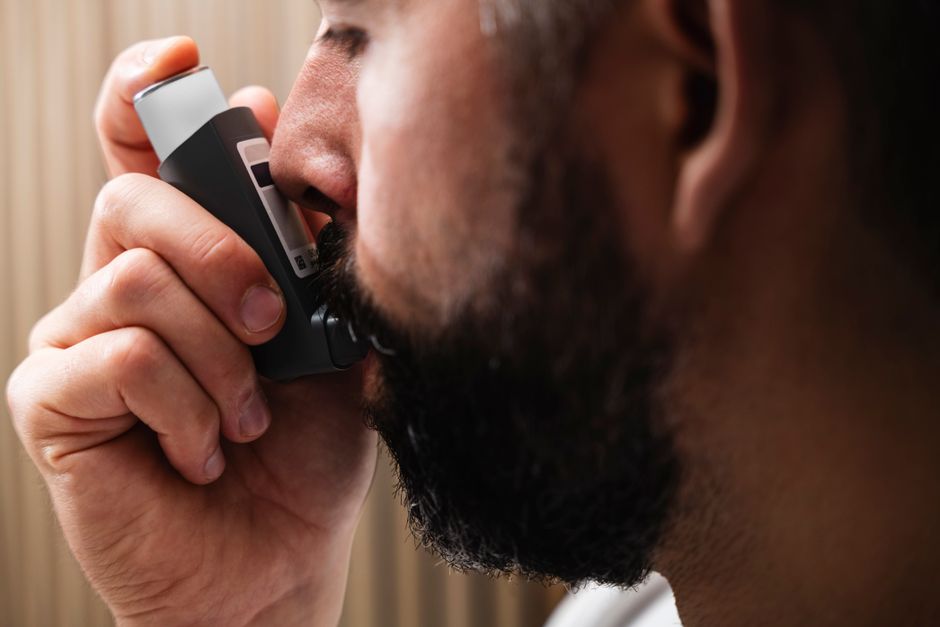
Chest tightness is one of the most distressing symptoms of COPD. It feels like a band wrapped around your ribs or a heavy weight pressing on your breastbone. This happens because COPD changes the physical structure of your airways and lungs, making it harder for air to move in and out. The tightness is a direct result of inflammation, airway narrowing, and the extra effort your breathing muscles must exert with every breath. Treatment focuses on opening the airways, reducing inflammation, and teaching you breathing techniques that ease the work of breathing.
What Exactly Causes the Tightness in Your Chest?
The tightness is not just a feeling. It is a physical event. In COPD, the small airways in your lungs become inflamed and swollen. They also produce excess mucus, which clogs the passages. This combination narrows the space where air can travel. When you exhale, the airways tend to collapse because the elastic support around them has been destroyed. Air gets trapped inside the lungs. Your lungs become overinflated, and the diaphragm flattens. That flattening puts your breathing muscles at a mechanical disadvantage. Every breath becomes a struggle, and that constant strain translates into a sensation of pressure and tightness.
Another contributor is bronchospasm. The muscle bands around your airways can contract involuntarily, similar to what happens in asthma. This narrows the airway further. Many people with COPD experience both chronic airway remodeling and episodes of bronchospasm. The combination creates a persistent feeling of constriction that worsens during flare-ups.
Is Chest Tightness the Same as Shortness of Breath?
No, they are related but distinct symptoms. Shortness of breath, or dyspnea, is the feeling that you cannot get enough air. Chest tightness is a specific sensation of pressure, squeezing, or heaviness in the chest. Many people describe it as feeling like something is sitting on their chest. You can have tightness without severe breathlessness, and you can feel breathless without notable tightness. In COPD, they often occur together because both stem from the same underlying airway obstruction. However, sudden or severe chest tightness should never be dismissed as just another COPD symptom. It can also signal a heart problem, a pulmonary embolism, or a collapsed lung. If your tightness is new, worse than usual, or accompanied by pain radiating to your arm or jaw, seek emergency care immediately.
How Do Flare-Ups Make Chest Tightness Worse?
A COPD flare-up, also called an exacerbation, is a sudden worsening of symptoms. During a flare-up, inflammation spikes. Mucus production increases dramatically. The airways narrow further. Lung function drops sharply. Chest tightness becomes more intense because the mechanical obstruction is worse. Flare-ups are often triggered by respiratory infections like a cold or flu, or by exposure to air pollution or smoke. The tightness during a flare-up is not just uncomfortable. It signals that the disease is actively progressing. Frequent flare-ups accelerate the decline in lung function. Recognizing the early signs of a flare-up and treating it quickly is one of the most important things you can do to protect your lungs.



What Medications Actually Relieve Chest Tightness?
The mainstay of COPD treatment is inhaled bronchodilators. These medications relax the muscle bands around the airways. When the muscles relax, the airway opens wider, and trapped air can escape more easily. This directly relieves the sensation of tightness. There are two main types. Short-acting bronchodilators work within minutes and last about four to six hours. They are used for quick relief. Long-acting bronchodilators are taken once or twice daily to keep airways open around the clock. Many people with COPD use both.
Inhaled corticosteroids are often added to the treatment plan. They reduce airway inflammation over time. They do not provide immediate relief, but they help prevent flare-ups and slow the progression of airway damage. Combination inhalers that contain both a long-acting bronchodilator and a corticosteroid are common. Using your inhaler correctly matters as much as the medication itself. Many people use improper technique, which means the drug never reaches the small airways. Ask your healthcare provider to watch you use your inhaler and correct your technique.
Can Breathing Exercises Reduce the Tightness?
Breathing exercises do not cure COPD, but they can significantly reduce the work of breathing. The most studied technique is pursed-lip breathing. You inhale slowly through your nose, then exhale gently through pursed lips, as if you are blowing out a candle. This creates mild back-pressure in the airways. That pressure helps keep the airways open longer during exhalation, allowing more trapped air to escape. When less air is trapped, the lungs are less overinflated, and the diaphragm can work more effectively. The result is often a noticeable reduction in chest tightness and breathlessness.
Another useful technique is diaphragmatic breathing. You focus on letting your belly rise as you inhale, rather than your chest. This recruits the diaphragm more effectively and reduces the strain on the accessory muscles in your neck and shoulders. These muscles are not designed for sustained breathing, and when they take over, they cause fatigue and a sense of chest pressure. Practicing these techniques for five to ten minutes a few times a day can help. They are most effective when you learn them under the guidance of a respiratory therapist, especially in a pulmonary rehabilitation program.
What Role Does Pulmonary Rehabilitation Play?
Pulmonary rehabilitation is a structured program that combines exercise training, education, and breathing techniques. It is one of the most effective non-drug treatments for COPD. The exercise component is crucial. Many people with COPD avoid physical activity because it makes them breathless. This creates a downward spiral. The less you move, the weaker your muscles become, and the harder every task feels. In pulmonary rehab, you exercise under supervision with oxygen monitoring. Over time, your muscles become more efficient at using oxygen. Your heart works better. Your breathing muscles get stronger. Many people report that their chest tightness decreases because the overall effort of breathing drops. Pulmonary rehab has been shown to improve quality of life and reduce hospitalizations. It does not reverse lung damage, but it changes how your body copes with the damage.
When Should You See a Doctor About Chest Tightness?
If you have been diagnosed with COPD and your chest tightness is your usual level, continue with your prescribed treatment plan. But you should contact your doctor if the tightness becomes more frequent, more intense, or happens with less exertion than before. You should also seek medical attention if your rescue inhaler is not providing relief, if your sleep is disturbed by tightness, or if you are using your rescue inhaler more often than usual. Emergency care is needed if the tightness comes on suddenly, is severe, or is accompanied by chest pain, fainting, blue lips or fingers, or confusion. These could indicate a heart attack, a blood clot in the lungs, or respiratory failure. Do not wait at home hoping it will pass.
Can Lifestyle Changes Prevent or Reduce Chest Tightness?
Smoking cessation is the single most important lifestyle change. The airway inflammation in COPD is driven by irritants, and tobacco smoke is the most common irritant. Quitting does not heal the damage already done, but it slows further decline and reduces the frequency of flare-ups. Avoiding secondhand smoke, indoor air pollutants, and occupational dusts and fumes is also important. Staying physically active within your limits helps maintain muscle strength and reduces the effort of daily tasks. Staying hydrated can thin mucus, making it easier to cough out. A healthy diet supports your immune system and helps you maintain a healthy weight. Being underweight weakens your breathing muscles. Being overweight adds mechanical load to your chest wall. Both extremes make breathing harder.
Frequently Asked Questions
Can chest tightness from COPD be a sign of a heart attack?
Yes. Chest tightness can be caused by heart problems, especially in people with COPD who often share risk factors like smoking. Seek emergency care if the tightness is sudden, severe, or comes with pain in the arm, jaw, or back, or with sweating and nausea.
Does using a rescue inhaler every day mean my COPD is getting worse?
It can mean your symptoms are not well controlled. Regular use of a rescue inhaler more than twice a week suggests your maintenance treatment may need adjustment. Talk to your doctor about your inhaler routine rather than increasing your rescue inhaler use on your own.
Will oxygen therapy help with chest tightness?
Oxygen therapy helps if your blood oxygen levels are low. It does not directly open the airways, but it reduces the strain on your heart and breathing muscles. It is prescribed based on measured oxygen levels, not on symptoms alone.
Are there any foods that make chest tightness worse?
There is no specific food that directly causes chest tightness in COPD. However, a heavy meal can distend your stomach and push up on the diaphragm, making breathing feel harder. Eating smaller, more frequent meals can help reduce this pressure.
