
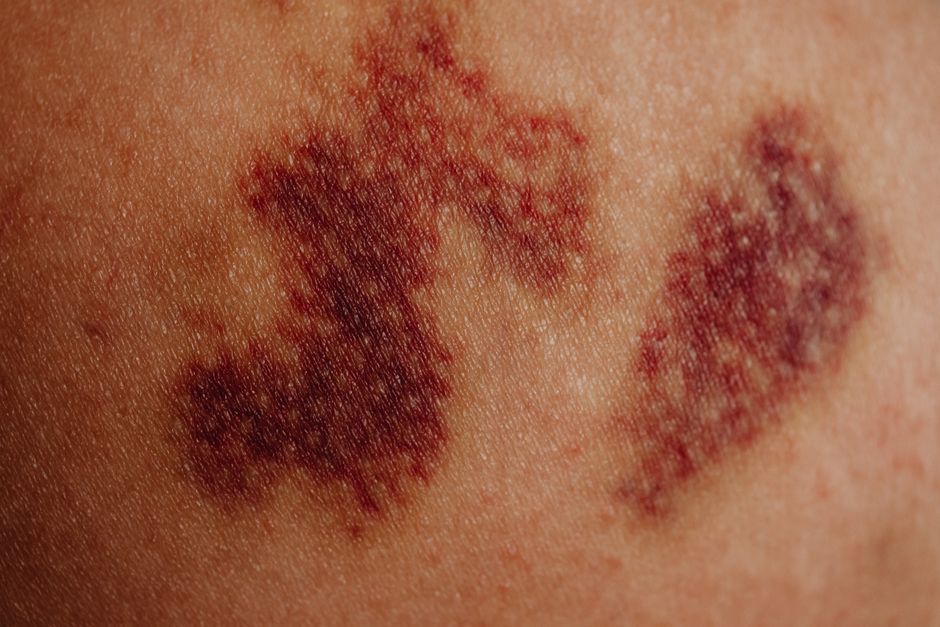
Leech bites do hurt, but the pain is usually mild and brief. Most people describe it as a pinch or a mosquito bite. The real issue is not the bite itself but the bleeding that continues afterward. Leeches release an anticoagulant that keeps blood flowing. This is normal and part of how treatment works. You stop the bleeding with pressure and a clean bandage. The bite heals like a small cut over a few days.
Do leech bites hurt more than other insect bites?
For most people, no. The initial bite feels like a quick pinch. Some people do not feel it at all. The leech releases a mild anesthetic when it bites. This helps it feed without being noticed. Once the leech is attached, the bite area can feel numb or tingly. That is the anesthetic working. After the leech is removed, the area may itch or sting slightly. This is similar to how a mosquito bite feels afterward.
The pain level depends on where the bite happens. Sensitive areas like the eyelids or inside the nose hurt more. Bites on thicker skin like arms or legs are less noticeable. Research consistently shows that people rate leech bites as less painful than bee stings or ant bites. The surprise of seeing a leech often bothers people more than the actual pain.
What happens when a leech bites you?
The leech uses a mouth with three jaws. Each jaw has tiny teeth. They make a Y-shaped cut in the skin. You usually do not feel this because the leech injects a natural anesthetic. Then the leech releases hirudin into the wound. Hirudin is a powerful anticoagulant. It stops your blood from clotting. This allows the leech to feed for 20 to 45 minutes.
While feeding, the leech can expand to several times its size. This looks alarming but is harmless. The leech only takes a small amount of blood. The bigger concern is the bleeding after the leech falls off. Because the anticoagulant stays active, the wound can ooze for several hours. This is not dangerous but can be messy. It is the body’s normal response to the hirudin.
How long does the bleeding last after a leech bite?
Bleeding typically lasts 6 to 12 hours after the leech detaches. Some people bleed for up to 24 hours. The amount of blood lost is very small. It looks worse than it is. The anticoagulant effect gradually wears off as your body clears the hirudin. Applying steady pressure with a clean cloth for 10 to 15 minutes helps slow the bleeding.
Do not use a tourniquet or tight bandage. This can trap bacteria in the wound. Instead, use a clean bandage and change it if it becomes soaked. The bleeding will stop on its own in most cases. If bleeding continues past 24 hours or seems heavy, see a doctor. This is rare but possible in people with bleeding disorders or those on blood thinners.




What is the best way to remove a leech?
Do not pull the leech off. Do not use salt, heat, or chemicals. These methods can cause the leech to vomit into the wound. That increases the risk of infection. The best method is patience. Wait for the leech to finish feeding and fall off on its own. This usually takes 20 to 45 minutes.
If you need to remove it sooner, use a fingernail or a flat object like a credit card. Slide it under the leech’s mouth to break the seal. The leech will detach. Then let the wound bleed freely for a moment. This helps flush out any bacteria. Clean the area with soap and water. Apply a bandage. Do not scratch the bite. Scratching can introduce bacteria and cause infection.
How should you treat a leech bite at home?
Clean the bite with soap and water. This is the most important step. Then apply a sterile bandage with gentle pressure. Change the bandage every few hours if it becomes wet with blood. The bite will stop bleeding within a day. Keep the area clean and dry. Watch for signs of infection like redness, swelling, warmth, or pus.
Some people report that the bite area itches for a few days. This is normal. An over-the-counter antihistamine or hydrocortisone cream can help. Do not use alcohol or hydrogen peroxide. These can irritate the wound and delay healing. The bite will heal like a small cut. Most bites do not leave a scar. If the area becomes infected, see a doctor. Antibiotics may be needed.
When should you see a doctor for a leech bite?
Most leech bites do not need medical attention. See a doctor if the bleeding does not stop after 24 hours. Also see a doctor if the wound shows signs of infection. Signs include increasing redness, swelling, warmth, or pus. Fever is another reason to seek care. Infection from a leech bite is rare but possible. Bacteria from the leech’s mouth or the water can enter the wound.
Some people have allergic reactions to leech bites. Symptoms include hives, difficulty breathing, or swelling of the face or throat. This is very rare. If it happens, seek emergency care. People on blood thinners or with bleeding disorders should also contact a doctor. The anticoagulant effect may last longer in these cases. A doctor can check if the bleeding is safe.
Do leech bites carry any disease risk?
The risk is very low. Leeches are not known to transmit diseases like mosquitoes or ticks do. Studies have found that leeches can carry bacteria from the water they live in. These bacteria can cause wound infections. This is why cleaning the bite is so important. The risk of a serious infection is low but not zero.
In some parts of the world, leeches can carry blood parasites. This is rare in the United States. Most leech bites in the US are from aquatic leeches in freshwater lakes and streams. These leeches do not pose a significant disease risk. The bigger concern is the wound itself. Keep it clean and watch for infection. That is all most people need to do.
Can you prevent leech bites?
Leeches live in freshwater environments like ponds, lakes, and slow-moving streams. They are most active in warm weather. To prevent bites, avoid swimming in areas known to have leeches. Wear protective clothing like long pants and boots when walking through water. Tuck pants into socks to create a barrier.
Insect repellent containing DEET may help. Evidence is mixed on how well it works against leeches. Some people report that it deters them. Others say it has no effect. A better option is to check your skin and clothing after being in the water. Leeches are small and easy to miss at first. Remove them before they attach. If you find one attached, use the removal method described above. Do not panic. The bite is not dangerous.
Do leech bites have any medical benefits?
Yes, in controlled medical settings. Medicinal leeches are used in reconstructive surgery. The FDA approved leeches as medical devices in 2004. Surgeons use them to restore blood flow to reattached fingers, ears, and other tissues. The leech’s anticoagulant helps prevent blood clots from forming in the reattached area. This improves the chances of the tissue surviving.
This is different from a wild leech bite. Medicinal leeches are raised in sterile conditions. They are used once and then discarded. Wild leeches carry bacteria and are not safe for medical use. The bite from a medicinal leech is similar to a wild one. It still bleeds and needs cleaning. But the risk of infection is much lower because the leeches are sterile. This is a good example of how a natural process can be used safely in medicine.
Frequently Asked Questions
How long does a leech bite take to heal?
Most leech bites heal within 3 to 7 days. The bleeding stops within 24 hours and the wound closes like a small cut.
Can a leech bite cause an infection?
Yes, but it is rare. Cleaning the bite with soap and water greatly reduces the risk. Watch for redness, swelling, or pus.
Should you put salt on a leech to remove it?
No. Salt can cause the leech to vomit into the wound, which increases infection risk. Wait for it to fall off or slide a fingernail under its mouth.
Do leech bites leave scars?
Usually not. Leech bites heal like small cuts. Scarring is rare unless the wound becomes infected or you scratch it repeatedly.
