
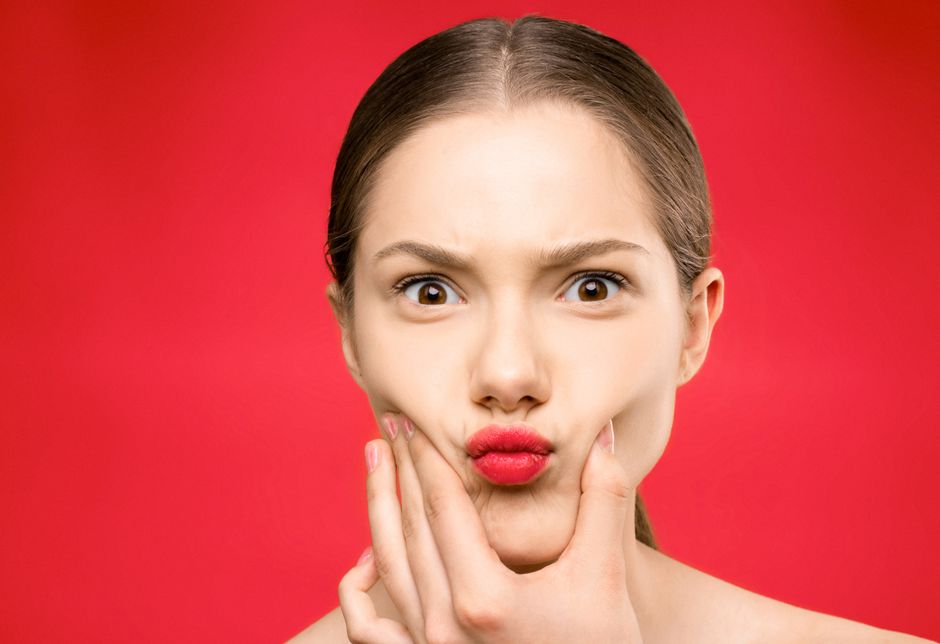
Finding a thick, dark hair on your chin and being able to pull it out with your fingers is a common experience, especially for women over 30. The short answer is that a single hair follicle on your chin can switch from producing fine, invisible hair to producing a thick, pigmented hair. This switch is driven mainly by hormones called androgens. When that coarse hair grows long enough to poke through the skin, you can grip it and squeeze it out. It is not a sign that something is wrong with your skin. It is a sign that one follicle responded to a hormonal signal.
Why Can You Squeeze Hair Out Of Your Chin?
You can squeeze a chin hair out because it is a full-thickness hair that has already broken through the skin surface. Once the hair shaft is long enough, your thumb and finger can grip it and pull. The follicle releases the hair relatively easily because the root is not deeply anchored the way some people imagine.
The real question is why that hair exists at all. Most hair on the body is either vellus hair (fine, short, lightly pigmented) or terminal hair (thick, long, pigmented). Androgens — hormones present in both men and women — tell certain follicles to convert from vellus to terminal. Chin follicles are sensitive to these hormones. When androgen activity at the follicle increases, a fine hair can become a thick one.
This is why chin hairs are more common after menopause. Estrogen levels fall, and the relative balance of androgens shifts. The follicle does not need more testosterone in absolute terms. It needs a change in the ratio, or an increase in how sensitive that follicle is to androgens.
Is It Normal to Get Chin Hairs as a Woman?
Yes, it is common. A small number of coarse chin hairs is not a disease. Many women in their 30s, 40s, and 50s notice them, particularly around the chin, upper lip, and jawline.
What matters is the pattern and the pace. A few isolated hairs over years is usually just normal follicle variation. Rapid growth of many coarse hairs across the chin, jaw, chest, or abdomen is different. That pattern can point to higher-than-normal androgen levels.
Doctors sometimes use a rough visual guide called the Ferriman-Gallwey score to grade excess hair growth in androgen-sensitive areas. It is a clinical tool, not a diagnosis on its own. A clinician uses it alongside your history and lab work.
What Causes Chin Hair to Grow Thicker?
Androgens are the main driver. The two that matter most for hair follicles are testosterone and DHT (dihydrotestosterone). DHT is made from testosterone by an enzyme called 5-alpha reductase. DHT binds to androgen receptors in the follicle and can push vellus hair to become terminal hair.
Several things can shift this system:
- Menopause and perimenopause. Falling estrogen changes the androgen-to-estrogen ratio. This is one of the most common reasons chin hairs appear or increase.
- Polycystic ovary syndrome (PCOS). This condition often raises androgen levels and is a frequent cause of excess facial hair in women of reproductive age.
- Genetics. Follicle sensitivity to androgens varies between people. Two women with identical hormone levels can have very different amounts of facial hair.
- Medications. Some drugs, including certain steroids and some treatments for other conditions, can increase androgen activity or hair growth.
- Rare hormonal conditions. Adrenal or ovarian disorders that raise androgen production can cause rapid, widespread hair growth. These are uncommon but worth ruling out when the pattern is sudden or severe.
Age alone is not the whole story. A 28-year-old can get chin hairs, and a 60-year-old may never get them. Genetics and individual follicle sensitivity explain much of that difference.




When Should You Be Concerned About Chin Hair?
Most isolated chin hairs are not a medical concern. The pattern that deserves a doctor’s attention is rapid onset or rapid worsening of coarse hair in androgen-sensitive areas.
Talk to a clinician if you notice:
- Many coarse hairs appearing over weeks to months, not years
- Hair growth on the chest, upper back, or abdomen
- Irregular or absent menstrual periods
- Deepening voice, increased muscle mass, or acne that is new and severe
- Hair loss on the scalp at the same time as facial hair growth
Those signs together can suggest an endocrine issue. A doctor may check androgen levels, thyroid function, and other hormones. This is not about one chin hair. It is about a pattern that does not fit normal aging.
One clarification worth making: plucking a chin hair does not cause more to grow. That is a myth. Hair growth is controlled at the follicle by hormones, not by trauma to the surface. Tweezing can irritate the follicle and cause a temporary ingrown hair, but it does not create new terminal hairs.
How Do You Remove Chin Hair Safely?
There is no single best method. The right choice depends on how many hairs you have, how often they return, and how your skin reacts.
- Tweezing. Works for a few hairs. Can cause ingrown hairs or irritation if done aggressively.
- Shaving. Safe and does not make hair grow back thicker. That is another myth. It only makes the blunt tip feel coarser.
- Threading or waxing. Removes hair from the root and lasts longer. Can irritate sensitive skin.
- Depilatory creams. Dissolve hair at the surface. Follow the product instructions and test on a small area first, since these can cause burns or allergic reactions.
- Laser hair removal. Can reduce hair growth over time. Results vary by hair color, skin tone, and hormone status. It works best on dark hair against lighter skin. It is not permanent for everyone, and hormonal conditions like PCOS can cause regrowth.
- Electrolysis. Destroys the follicle with a small current. It is the only method sometimes described as permanent, but it requires multiple sessions and results vary.
No method is guaranteed to stop chin hair permanently. If the hormonal driver is ongoing, hair can return even after laser or electrolysis.
Does Chin Hair Mean a Hormone Problem?
Usually not. A few chin hairs are a normal part of aging for many women. The hormonal shift of menopause is enough to explain them in most cases.
That said, chin hair can be one visible sign of a hormone condition. PCOS is the most common cause of excess facial hair in women of reproductive age. It affects roughly 1 in 10 women of childbearing age, according to widely cited estimates. Not everyone with PCOS gets facial hair, and not everyone with facial hair has PCOS.
The distinction matters because PCOS and other endocrine conditions can affect more than appearance. They can influence menstrual cycles, fertility, metabolism, and long-term health. If you have other symptoms alongside the hair, it is worth getting checked.
Can You Prevent Chin Hair From Coming Back?
You cannot prevent a follicle from becoming androgen-sensitive. That process is largely determined by genetics and hormones. What you can do is manage the hair and, if a hormone condition is present, treat the underlying cause.
For some women with PCOS or high androgen levels, doctors may prescribe medications that lower androgen activity. These can slow or reduce hair growth, but they are prescription treatments with their own risks and side effects. They are not appropriate for everyone. This is a decision to make with a clinician, not from an article.
For most women without a hormone disorder, the practical approach is removal and acceptance. Chin hair is common, it is not dangerous on its own, and it does not mean you are unhealthy.
Frequently Asked Questions
Why do I suddenly have chin hair at 40?
Hormone shifts around perimenopause change the ratio of estrogen to androgens, which can activate chin follicles. Genetics also play a role, so some women notice this earlier or later than others.
Does plucking chin hair make it grow back thicker?
No. Plucking does not change the follicle’s hormone sensitivity or the hair’s thickness. It can cause irritation or ingrown hairs, but it does not create new coarse hairs.
Is chin hair a sign of PCOS?
It can be one sign, but a few chin hairs alone do not mean you have PCOS. PCOS is more likely when excess hair appears alongside irregular periods, acne, or other androgen-related symptoms.
Can chin hair be removed permanently?
Electrolysis is the only method sometimes described as permanent because it destroys the follicle. Laser can reduce growth for long periods, but hair can return, especially if a hormonal condition is driving it.
