
Your body breaks down a bowl of oatmeal into quick fuel, yet a celery stick passes through mostly unchanged. The difference comes down to one thing: the shape of the sugar molecules. Starch and cellulose are both made of glucose, but the bonds holding those glucose units together are different. Your body has the enzyme to break starch’s bonds but lacks the enzyme to break cellulose’s bonds. That single missing enzyme is why you can digest one and not the other.
What Are Starch and Cellulose Made Of?
Both starch and cellulose are carbohydrates. Both are polymers, which means they are long chains of smaller sugar units linked together. In both cases, the repeating unit is glucose. That is where the similarity ends.
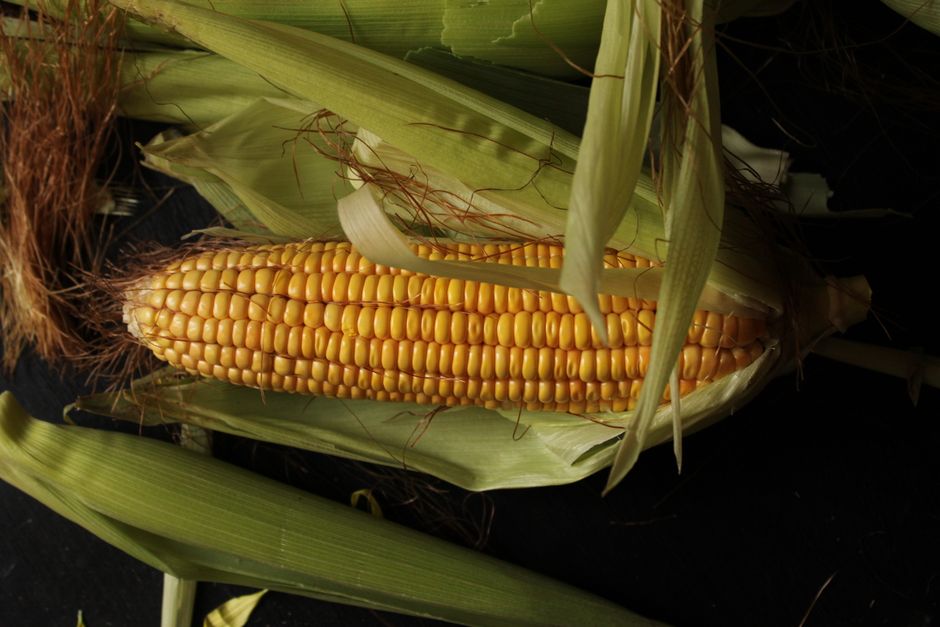
Starch is how plants store energy. When a plant makes more glucose than it needs, it links the glucose molecules together into long chains for later use. You find starch in foods like potatoes, rice, corn, and wheat. Your body is built to recognize these energy stores and break them down quickly.
Cellulose is structural. It gives plant cell walls their strength and rigidity. Think of it as the plant’s skeleton. It is the most abundant organic polymer on Earth, found in every plant food you eat. Your body does not recognize cellulose as an energy source because it cannot take it apart.
Why Can We Digest Starch but Not Cellulose?
The answer is in the chemical bond. Glucose molecules can connect to each other in different ways. The way they connect changes the shape of the chain and how enzymes interact with it.
Starch uses alpha bonds. When glucose molecules link with alpha bonds, the chain forms a coiled, helical shape. Your body produces an enzyme called amylase, which starts in your saliva and continues working in your small intestine. Amylase fits perfectly onto the alpha bonds and clips them apart, releasing glucose for absorption into your bloodstream.
Cellulose uses beta bonds. Beta bonds create a straight, flat chain. These chains pack tightly together and form strong fibers. The enzyme that could break beta bonds is called cellulase, and humans do not produce it. No amylase in your body can attach to a beta bond. The geometry simply does not match.
This is not a design flaw. It is a division of labor. Your body can harvest the stored energy from plants while the structural parts continue through your digestive tract intact.
What Happens to Cellulose in Your Body?
Cellulose travels from your mouth to your stomach without being broken down. It moves into your small intestine, where digestive enzymes attack everything they can. Cellulose survives all of it. It reaches your large intestine mostly unchanged.
That does not mean it does nothing. In the large intestine, bacteria feed on the cellulose. These bacteria do produce enzymes that can break beta bonds, and they ferment the cellulose into short-chain fatty acids. Your body absorbs some of these fatty acids and uses them for energy. This process produces gas as a byproduct, which is why high-fiber meals can cause bloating.
The undigested cellulose adds bulk to your stool. It holds water and speeds up the movement of waste through your colon. That is why dietary fiber is recommended for preventing constipation. Cellulose is the main type of insoluble fiber, meaning it does not dissolve in water.





Why Can Some Animals Digest Cellulose and You Cannot?
Cows, horses, termites, and goats all eat grass and other cellulose-rich plants. None of them produce cellulase themselves. They all rely on microorganisms living inside their digestive systems.
Cows are ruminants. They have a specialized stomach compartment called the rumen, which acts as a fermentation chamber. Billions of bacteria, fungi, and protozoa live there and produce cellulase. These microbes break down cellulose into compounds the cow can absorb and use. The cow essentially farms microbes to do the digestion for it.
Horses and termites use a similar strategy in different parts of their digestive tracts. Humans have some of these microbes too, but far fewer, and they are concentrated in the colon rather than the stomach. By the time food reaches your colon, most of the meal has already moved past the absorption window. You get a small amount of energy from fermented fiber, but nowhere near what a cow gets.
Is Cellulose Good for You If You Cannot Digest It?
Yes. Fiber is one of the most consistently studied parts of human nutrition, and the evidence is strong that it protects health. The fact that you cannot digest it is exactly why it helps.
Insoluble fiber like cellulose adds bulk and shortens the time waste spends in your colon. Soluble fiber, found in oats and beans, dissolves in water and forms a gel that slows digestion. Most plant foods contain both types. Eating a mix of them is the goal.
Research consistently shows that people who eat more dietary fiber have lower rates of heart disease, type 2 diabetes, and colorectal cancer. The exact mechanisms are still being studied, but the association is well established. Fiber also feeds your gut bacteria, and a healthy gut microbiome is linked to better overall health.
Whole grains, vegetables, fruits, legumes, nuts, and seeds all provide fiber. The recommended intake for adults is about 25 grams per day for women and 38 grams per day for men. Most Americans get roughly half that amount.
Can You Eat Cellulose as a Supplement?
Yes, and you probably already do. Powdered cellulose is a common food additive. It appears in shredded cheese to prevent clumping, in low-calorie foods to add bulk, and in some protein powders. It is generally recognized as safe by the FDA. It passes through your body the same way the cellulose in celery does.
Some companies sell cellulose supplements marketed as appetite suppressants. The idea is that the fiber expands in your stomach and makes you feel full. Some evidence suggests this can help with satiety, but results vary. No large clinical trials have confirmed that cellulose supplements are an effective weight loss tool. If you are looking to increase fiber, getting it from whole foods is better supported by evidence.
What About Resistant Starch?
Resistant starch is a third category worth knowing. It is starch, so it uses alpha bonds, but its structure prevents your enzymes from reaching them. It acts like fiber even though it is technically starch.
Some resistant starch forms naturally when foods are cooked and then cooled. Cooked potatoes and rice that have been refrigerated overnight develop resistant starch. Your body cannot digest it in the small intestine, so it reaches the colon, where bacteria ferment it. This process produces beneficial short-chain fatty acids.
Some research suggests resistant starch may improve blood sugar control and gut health. The evidence is promising but not conclusive. It is a good reason to enjoy leftover rice or potato salad, but it is not a substitute for vegetables.
Should You Try to Digest Cellulose?
No. Your digestive system is working as intended. Trying to break down cellulose would mean producing an enzyme you are not designed to make, and no practical way exists to add cellulase to your diet in a way that would survive your stomach acid.
Some supplements claim to contain cellulase for digestive support. The evidence that they meaningfully break down fiber in the human gut is limited. Your body has its own system for handling fiber, and it works well when you eat enough of it and drink enough water.
Focus on eating a variety of plant foods and letting your gut bacteria do what they do best. The fiber that you cannot digest is feeding the microbes that keep your digestive system healthy.
Frequently Asked Questions
Why can humans digest starch but not cellulose?
Humans produce the enzyme amylase, which breaks the alpha bonds in starch. No human enzyme can break the beta bonds in cellulose.
What happens if you eat cellulose?
It passes through your digestive tract mostly intact and adds bulk to your stool. Bacteria in your colon ferment some of it.
Is cellulose a good source of energy?
No. Your body cannot absorb glucose from cellulose, so it provides almost no direct energy. It is valuable for digestion, not fuel.
Can cooking break down cellulose?
Cooking softens plant cell walls and makes some nutrients more available, but it does not break the beta bonds in cellulose. Your body still cannot digest it.
