
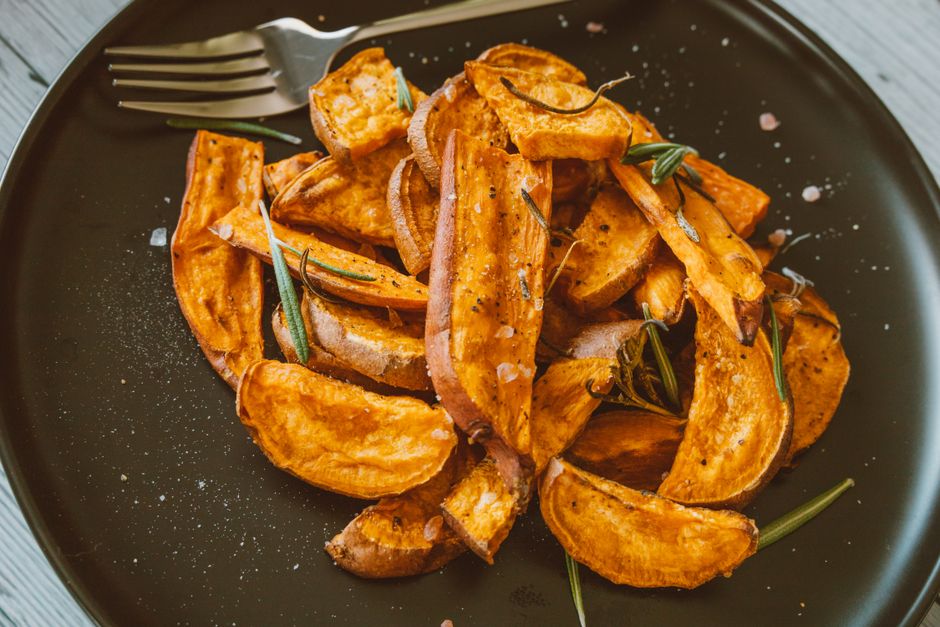
Potatoes are generally easy to digest for most people, especially when they are cooked and eaten without the skin. The starch in potatoes breaks down quickly during cooking, making them a gentle option for an upset stomach or a sensitive digestive system. However, how you prepare them and your individual gut health can change that answer completely.
Are Potatoes Easy to Digest for Most People?
Yes, for the majority of healthy adults, plain cooked potatoes are one of the easier starchy foods to digest. The reason is simple. Cooking gelatinizes the starch granules, which means your digestive enzymes can access them more readily.
This is why plain boiled or baked potatoes are often recommended on a bland diet. They provide energy without putting heavy work on your stomach and small intestine. The body absorbs the glucose from potato starch fairly quickly, which is why athletes sometimes eat them for fuel.
However, there is a catch. The digestibility changes dramatically depending on the cooking method, what you add to the potato, and whether you eat the skin.
What Makes Potatoes Hard to Digest for Some People?
Several factors can turn an easy-to-digest potato into a problem. The most common issue is resistant starch. Raw potatoes contain a lot of this, but cooking reduces it. When potatoes cool down after cooking, the starch recrystallizes into a form that resists digestion in the small intestine.
This resistant starch then travels to the colon where bacteria ferment it. For some people, this fermentation causes gas, bloating, and cramping. Potato salad made with cooled boiled potatoes is a classic example of a food high in resistant starch.
Other factors include:
- The skin: Potato skin is full of insoluble fiber. While fiber is healthy, it can be hard to break down for someone with a sensitive gut or digestive condition.
- Frying: French fries and potato chips are high in fat. Fat slows stomach emptying, which can cause discomfort and indigestion.
- Added ingredients: Butter, cheese, sour cream, and heavy sauces add fat and lactose, both of which can trigger digestive issues independently of the potato itself.
- Solanine: Green potatoes or potato sprouts contain solanine, a natural toxin that can cause nausea and digestive upset. Always remove green parts and sprouts.
How Cooking Methods Change Digestibility
The way you cook a potato has a larger effect on digestibility than most people realize. Boiling and baking break down starch the most, making the potato very easy to digest. Frying adds fat that slows digestion significantly.
| Cooking Method | Digestibility | Key Reason |
|---|---|---|
| Boiled (mashed or whole) | Very easy | Starch fully gelatinized; low fat |
| Baked (no skin) | Easy | Starch breaks down; fiber removed |
| Baked (with skin) | Moderate | Insoluble fiber in skin adds work |
| Roasted (with oil) | Moderate to hard | Added fat slows stomach emptying |
| Fried (chips or fries) | Hard | High fat content; possible acrylamide |
| Cooled (potato salad) | Variable | Resistant starch forms; may cause gas |
If you have a sensitive stomach, stick with warm boiled or baked potatoes without the skin. Avoid fried versions and cold potato dishes until you know how your body reacts.




Are Potatoes Easy to Digest for People With IBS or Digestive Disorders?
This is where the answer gets more complicated. For people with Irritable Bowel Syndrome (IBS), potatoes are often considered a safe food. They are low in FODMAPs, which are short-chain carbohydrates that can trigger IBS symptoms.
Monash University, the leading research institution on the low-FODMAP diet, lists potatoes as a low-FODMAP food. This means they are unlikely to cause fermentation and gas in the small intestine for people with IBS, provided they are eaten in normal portions.
However, people with Inflammatory Bowel Disease (IBD) like Crohn’s or ulcerative colitis may have a different experience. During a flare-up, the insoluble fiber in potato skin can irritate an already inflamed colon. The recommendation here is to peel the potato completely and eat it well-cooked and plain.
For people with gastroparesis, a condition where the stomach empties slowly, potatoes can be tricky. The starch is easy to break down, but the volume and fiber can still cause fullness and nausea. Small portions of mashed potatoes without skin are usually the best tolerated form.
What Does Research on Potato Digestion Show?
Research published in the Journal of Nutrition and Metabolism has examined how different cooking methods affect starch digestibility. One key finding is that the glycemic response to potatoes varies widely. Boiled potatoes cause a rapid spike in blood sugar because the starch is highly digestible. Fried potatoes cause a slower rise because the fat delays stomach emptying.
The same research confirms that resistant starch in cooled potatoes acts like a prebiotic. It feeds gut bacteria, which is beneficial for colon health in most people. But for those with bacterial overgrowth or a very sensitive colon, that fermentation causes noticeable gas and bloating.
The American Gastroenterological Association does not list potatoes as a common trigger food for digestive distress. They are generally considered safe for most digestive conditions when prepared simply. The main caution comes from added fats, not the potato itself.
Common Misconceptions About Potatoes and Digestion
There is a widespread belief that potatoes are “heavy” or “hard to digest.” This likely comes from how people eat them. A loaded baked potato with butter, cheese, bacon, and sour cream is heavy. The potato itself is not the problem. The toppings are.
Another myth is that all starch is bad for digestion. Some low-carb diet advocates claim that potatoes feed harmful gut bacteria. The truth is that starch is the primary fuel for your body and your colon bacteria. The key is balance and preparation.
Some people also believe that peeling a potato removes all the nutrition. This is false. While the skin contains fiber and some vitamins, the flesh of the potato is rich in potassium, vitamin C, and B vitamins. If you need easy digestion, peeling is a smart choice, not a nutritional loss.
What to Avoid for Easier Potato Digestion
If you want potatoes to be as easy to digest as possible, avoid these common mistakes:
- Eating green potatoes or sprouts: These contain solanine, which can cause nausea, vomiting, and diarrhea. Discard any potato that has green patches or visible sprouts.
- Adding high-fat toppings: Butter, oil, cheese, and cream slow digestion significantly. If you have a sensitive stomach, keep toppings minimal or skip them.
- Eating cold potatoes: Potato salad and other cold potato dishes contain resistant starch. For most people this is fine, but if you are prone to gas, eat potatoes warm.
- Eating the skin when your gut is upset: The insoluble fiber in potato skin can be rough on an inflamed or sensitive digestive tract. Peel the potato until your symptoms settle.
- Overeating: A large portion of any starchy food can overwhelm your digestive system. Stick to a serving size of about one medium potato or one cup of mashed potatoes.
Frequently Asked Questions
Are raw potatoes safe to digest?
Raw potatoes are very hard to digest and contain high levels of resistant starch and solanine. Eating them raw can cause stomach pain, bloating, and nausea.
Can potatoes cause gas and bloating?
Yes, especially when eaten cold or with the skin on. The resistant starch and fiber ferment in the colon, producing gas in some people.
Are mashed potatoes good for an upset stomach?
Plain mashed potatoes without butter or milk are often recommended for an upset stomach. They are easy to digest and provide gentle energy.
Are sweet potatoes easier to digest than white potatoes?
Sweet potatoes have more fiber than white potatoes, which can make them slightly harder to digest for some people. However, they are still considered a gentle food when cooked and peeled.
