
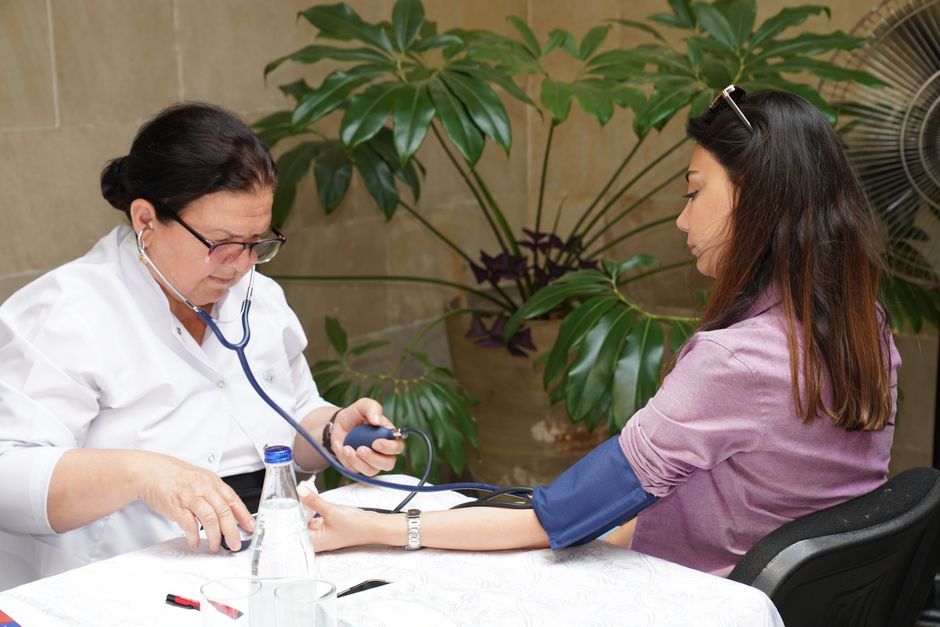
Blood pressure drops when the forces that keep it steady fall out of balance. The heart may pump less, the blood vessels may widen, or there may not be enough blood volume to fill the system. Any one of these changes can lower pressure enough to cause dizziness, fainting, or a sudden fall.
Why Blood Pressure Drops
Blood pressure is the force of blood pushing against artery walls. It depends on three things working together: how hard the heart pumps, how tight or relaxed the blood vessels are, and how much blood is in the system.
When any of these changes, pressure can fall. The most common mechanism is that blood vessels widen. This is called vasodilation. When arteries relax, there is more space for the same amount of blood, so pressure drops.
The second mechanism is reduced cardiac output. If the heart pumps less blood with each beat, or beats more slowly, pressure falls. This can happen with certain heart conditions, some medications, or during a severe allergic reaction.
The third mechanism is low blood volume. Losing blood or fluid reduces the amount available to fill the vessels. Dehydration, bleeding, and severe diarrhea can all cause this.
In healthy people, the body usually corrects these changes quickly. Special sensors in the neck and chest detect a drop in pressure and trigger a response. The heart beats faster, vessels tighten, and pressure returns to normal. When this reflex is slow or damaged, pressure stays low and symptoms appear.
What Causes a Sudden Drop in Blood Pressure?
A sudden drop is often a signal that something changed quickly in the body. The most frequent cause is standing up. When you stand, gravity pulls blood into your legs. Normally, the body tightens blood vessels and speeds up the heart to push blood back up. If that response is too slow, pressure drops.
This is called orthostatic hypotension. It is defined as a fall of at least 20 mmHg in systolic pressure or 10 mmHg in diastolic pressure within three minutes of standing. Systolic is the top number. Diastolic is the bottom number.
Other causes of a sudden drop include:
- Dehydration from not drinking enough, vomiting, or diarrhea
- Blood loss from injury or internal bleeding
- Severe allergic reaction, called anaphylaxis
- Infection that spreads through the body
- Certain medications, especially those for blood pressure or heart conditions
- Heart rhythm problems
- Standing for a long time in heat
- Eating a large meal, which can cause blood to pool in the digestive tract
Some of these are emergencies. A sudden drop with chest pain, difficulty breathing, confusion, or a rapid weak pulse needs immediate medical attention.
Why Does Blood Pressure Drop When You Stand Up?
Standing up is one of the most common triggers for a temporary drop. When you move from lying or sitting to standing, about 500 to 1,000 milliliters of blood shifts into your legs and abdomen. That is a significant amount — roughly 10 to 20 percent of your total blood volume.
The body normally responds within seconds. Pressure sensors in the aorta and carotid arteries detect the change. They send signals that tighten blood vessels and increase heart rate. This keeps blood flowing to the brain.
When this reflex is slow, you may feel lightheaded or dizzy for a few seconds. Vision may dim or tunnel. Most people recover quickly. If the drop is large enough, fainting can occur.
Orthostatic hypotension is more common in older adults. It also occurs more often in people with diabetes, Parkinson’s disease, or conditions that affect the nerves that control blood pressure. Some medications can blunt this reflex too.
A less obvious point: the speed of standing matters. Rising slowly gives the body more time to adjust. This is why some people feel fine when they get up gradually but dizzy when they jump up quickly.


What Medications Can Lower Blood Pressure Too Much?
Many common medications can cause blood pressure to drop. This is not always a side effect — sometimes it is the intended effect. The problem is when pressure falls too low and causes symptoms.
Medications that commonly lower blood pressure include:
- Diuretics, which remove fluid from the body
- ACE inhibitors and ARBs, which relax blood vessels
- Beta-blockers, which slow the heart and reduce its pumping force
- Calcium channel blockers, which widen blood vessels
- Alpha-blockers, which relax blood vessels and are often used for prostate problems
- Nitrates, which widen blood vessels and are used for chest pain
- Some antidepressants and antipsychotics
- Medications for erectile dysfunction
Taking more than one of these can increase the risk. So can taking them with alcohol or in hot weather. Dehydration makes the effect stronger.
Some clinicians recommend checking blood pressure while sitting and standing when starting or changing these medications. This can help detect a drop before it causes a fall. If you take any of these drugs and feel dizzy when standing, talk to your doctor. Do not stop a medication on your own.
When Is Low Blood Pressure a Medical Concern?
Low blood pressure is only a concern when it causes symptoms or when it signals a serious underlying problem. Many healthy people have naturally low pressure — for example, 90/60 mmHg — and feel fine. For them, no treatment is needed.
Doctors generally consider blood pressure too low if it causes:
- Dizziness or lightheadedness
- Fainting
- Blurred or fading vision
- Fatigue or weakness
- Nausea
- Difficulty concentrating
- Shock, which includes confusion, cold clammy skin, rapid breathing, and a weak pulse
Shock is a medical emergency. It happens when blood pressure falls so low that organs do not get enough blood. This can lead to organ damage. Causes include severe bleeding, infection, allergic reaction, or heart failure.
Chronic low blood pressure without symptoms is usually not dangerous. But if you have repeated episodes of dizziness or fainting, it should be evaluated. Falls are a serious risk, especially for older adults.
How Is Low Blood Pressure Treated?
Treatment depends on the cause. If a medication is the problem, the doctor may adjust the dose or switch to a different drug. If dehydration is the cause, fluids can help. If an underlying condition like heart failure or infection is present, that condition needs treatment.
For people with chronic orthostatic hypotension, some doctors recommend:
- Drinking more water throughout the day
- Increasing salt intake, but only if a doctor recommends it
- Wearing compression stockings to help blood return from the legs
- Rising slowly from sitting or lying positions
- Avoiding heavy meals and alcohol
- Elevating the head of the bed slightly
These steps are commonly suggested, but the evidence for each varies. Compression stockings have reasonable support for some people. Increasing salt and water helps in certain cases but is not appropriate for everyone, especially those with heart or kidney problems.
Medications to raise blood pressure exist. They are usually reserved for people who do not respond to lifestyle measures and who have significant symptoms. These drugs can have side effects, so they are not used casually.
No single approach works for everyone. What helps depends on why the pressure is dropping and what other health conditions are present.
Can Low Blood Pressure Be Prevented?
You cannot prevent all causes of low blood pressure. But you can reduce the chance of symptoms in some situations.
Staying hydrated is one of the most practical steps. Drinking enough fluids helps maintain blood volume. This matters more in hot weather, during exercise, or when you are sick.
Standing up slowly gives your body time to adjust. If you feel dizzy when standing, sit back down until it passes. Do not try to push through it.
If you take medications that lower blood pressure, ask your doctor whether your dose is still right for you. Blood pressure changes over time. What worked last year may not be the best fit now.
For people with diabetes or nerve conditions, managing the underlying disease can help. Blood pressure control is part of overall care, but it needs to be balanced. Too high is a problem. Too low with symptoms is also a problem.
There is no diet or supplement proven to prevent low blood pressure in the general population. Claims about certain foods or vitamins raising blood pressure are not supported by strong evidence. If you have symptoms, talk to a doctor rather than trying to self-treat.
Frequently Asked Questions
What is the most common cause of a sudden blood pressure drop?
Standing up too quickly is the most common cause, especially in older adults or people taking blood pressure medications. It happens when the body’s reflex to tighten blood vessels and speed up the heart is too slow.
When should I worry about low blood pressure?
You should worry if low blood pressure causes dizziness, fainting, confusion, or other symptoms. Low pressure without symptoms is usually not a concern.
Can dehydration cause low blood pressure?
Yes. Dehydration reduces blood volume, which can lower pressure. This is why drinking enough fluids matters, especially in heat or during illness.
Does low blood pressure always need treatment?
No. Many people have naturally low pressure and feel fine. Treatment is only needed when low pressure causes symptoms or signals a serious condition.
