
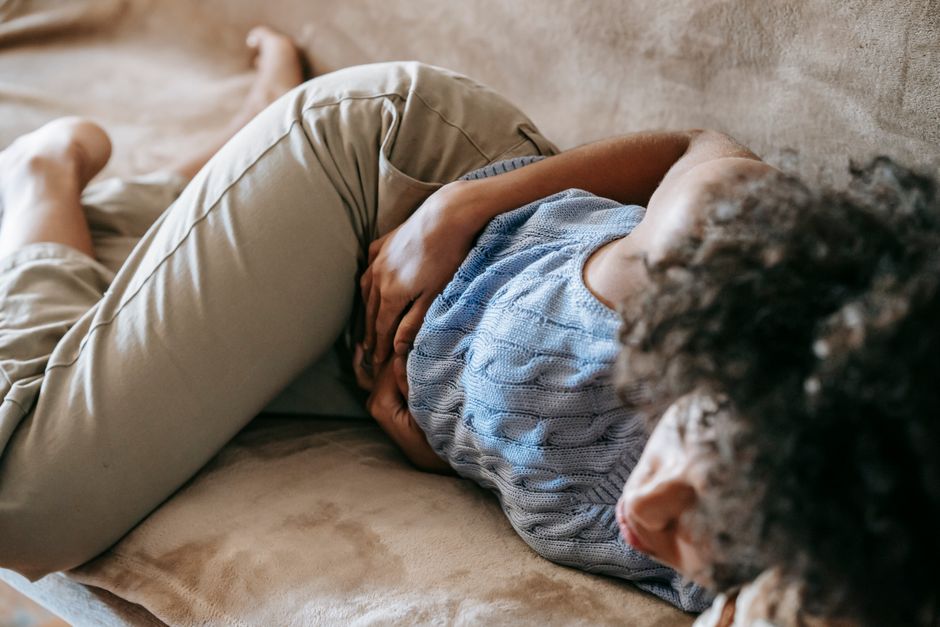
Menstrual cramps happen because the uterus contracts to shed its lining, and those contractions briefly cut off blood flow to the muscle itself. That temporary oxygen shortage is what you feel as pain. The same process explains why cramps often start just before bleeding begins and ease as your period goes on.
Why Are Your Cramps So Painful?
The pain comes from a group of hormone-like compounds called prostaglandins. Before and during your period, the lining of the uterus releases them. Prostaglandins make the uterine muscle contract, and stronger contractions mean more pain.
When the muscle contracts hard, it presses on the blood vessels running through the uterus. For short stretches, that squeezes off some of the blood supply. Muscle tissue without enough blood and oxygen produces a cramping, aching sensation. This is the same basic mechanism behind a charley horse in your leg.
Prostaglandin levels are not the same for everyone. Some people release more than others, and higher levels generally track with more intense cramping. This is why the pain varies so much from person to person, and even from one cycle to the next.
Pain usually shows up in the lower abdomen. It can also radiate to the lower back or down the thighs, because the nerves that supply the uterus share pathways with those areas.
What Is Normal Cramping and What Is Not?
Typical period cramps are uncomfortable but manageable. They usually begin shortly before or with the start of bleeding and last one to three days. Many people feel better as the period progresses.
Some features suggest something other than ordinary cramps is going on. Talk to a clinician if:
- Cramps are severe enough that you miss school or work most months
- Pain gets worse over time rather than staying steady
- Bleeding is very heavy or you pass large clots
- Pain happens outside your period, such as during sex or bowel movements
- Over-the-counter pain relief does not touch the pain
- Cramps started later in life after years of mild periods
These patterns can point to conditions like endometriosis or uterine fibroids. They are not rare, and they are not something to push through in silence. A clinician can help sort out the cause.
What Makes Cramps Worse for Some People?
Several factors can turn ordinary cramps into a bigger problem.
Age and cycle history. Cramps often peak in the late teens and twenties, then ease with age and after pregnancy. If cramps get worse as you get older, that pattern deserves a closer look.
Heavy bleeding. More lining to shed can mean stronger contractions. Heavier flow and worse cramps tend to go together.
Smoking. Smoking is linked to more painful periods. It affects blood flow, which matters because cramp pain is tied to blood supply in the uterus.
Underlying conditions. Endometriosis, fibroids, and adenomyosis can all cause severe cramping. In these cases the pain is not just from normal prostaglandin activity. It comes from tissue growing where it should not, or from structural changes in the uterus.
Stress and poor sleep. These do not cause cramps directly, but they can lower your pain tolerance and make the same cramp feel worse.

How Do Anti-Inflammatory Pain Relievers Work on Cramps?
Drugs like ibuprofen and naproxen are called NSAIDs, short for nonsteroidal anti-inflammatory drugs. They work by blocking the production of prostaglandins. Since prostaglandins are the trigger for the strong contractions, reducing them can reduce the pain at its source.
This is different from acetaminophen, which relieves pain but does not block prostaglandins. For period cramps specifically, NSAIDs address the underlying mechanism, while acetaminophen mainly dulls the sensation.
Timing matters. NSAIDs tend to work better when taken at the first sign of cramps or bleeding rather than waiting for pain to peak. Follow the label directions or your clinician’s guidance. NSAIDs are not right for everyone. People with stomach ulcers, kidney problems, or certain heart conditions may need to avoid them.
If over-the-counter options do not help, a clinician may discuss prescription options. Hormonal birth control is commonly used because it thins the uterine lining and lowers prostaglandin production. This is a well-established approach, though it is a decision to make with a clinician who knows your history.
Do Heat, Exercise, and Diet Actually Help?
Heat is one of the better-supported home measures. A heating pad or warm bath relaxes muscle and improves blood flow, which targets the same problem the cramps come from. Some studies suggest continuous low-level heat can reduce cramp pain, though results vary.
Light exercise is often recommended. It is not a cure, but movement increases blood flow and triggers the release of endorphins, the body’s own pain-relieving chemicals. A walk or gentle stretching is reasonable. There is no strong evidence that intense exercise during your period helps cramps specifically.
Diet claims deserve caution. Some research suggests omega-3 fatty acids and magnesium may be associated with less menstrual pain, but the evidence is not strong enough to present these as reliable treatments. No diet has been shown to eliminate cramps.
What is often overlooked: the pain is not “all in your head,” but the brain plays a real role in how much you feel it. Stress, anxiety, and poor sleep can amplify pain signals. Managing those does not fix the cramp, but it can change how much it hurts.
When Should You See a Doctor About Cramps?
See a clinician if cramps regularly interfere with your daily life, if they are getting worse over time, or if they do not respond to over-the-counter treatment. These are not signs you are weak. They are signs worth investigating.
Conditions like endometriosis are often underdiagnosed and can take years to identify. Getting evaluated earlier can matter for treatment options and quality of life.
A clinician may ask about your cycle, the timing and location of pain, and what you have tried. Depending on the answers, they may recommend imaging or other tests. Not every case needs a workup, but severe or worsening pain is a reasonable reason to ask.
Frequently Asked Questions
Why are my period cramps so painful?
Cramps hurt because the uterus releases prostaglandins that make it contract hard enough to briefly reduce its own blood supply. The resulting oxygen shortage in the muscle is what you feel as pain.
How long should period cramps normally last?
Typical cramps start just before or with bleeding and last one to three days. Pain that lasts much longer or gets worse over time is worth discussing with a clinician.
Do anti-inflammatory drugs really help with cramps?
Yes. NSAIDs like ibuprofen block prostaglandin production, which targets the root cause of cramping rather than just masking the pain. They tend to work best when taken early.
Can severe cramps mean something is wrong?
Sometimes. Cramps that are disabling, worsening, or unresponsive to pain relief can point to conditions like endometriosis or fibroids. A clinician can help determine whether further evaluation is needed.
