
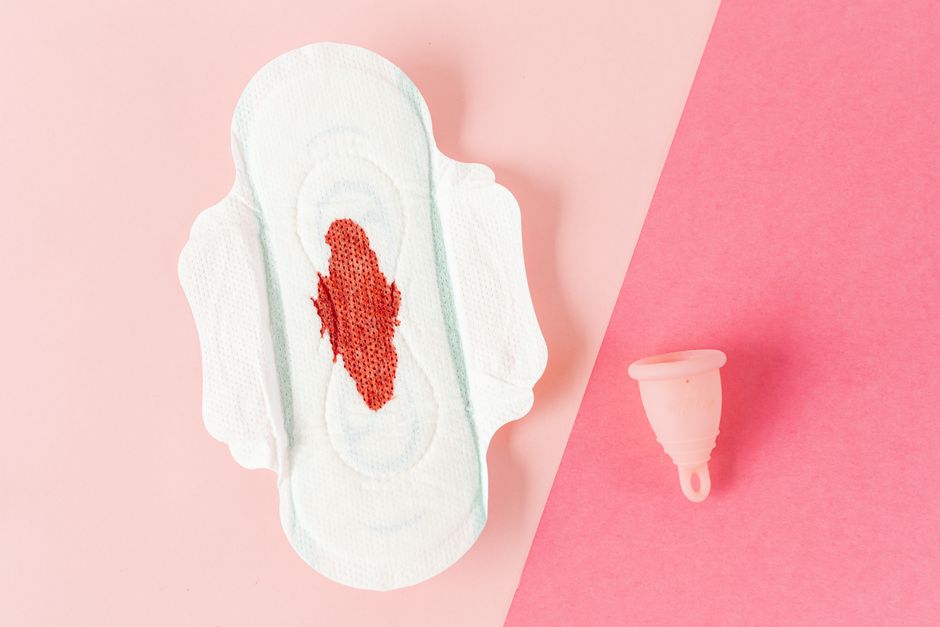
Short menstrual cycles can feel confusing and sometimes worrying. A normal cycle length for an adult is between 21 and 35 days, counted from the first day of one period to the first day of the next. If your cycles are regularly shorter than 21 days, this is a condition called polymenorrhea, and it is worth understanding why it happens and when it needs medical attention.
What Counts as a Short Menstrual Cycle?
Doctors define a short cycle as one that is consistently under 21 days. A cycle of 22 or 23 days is still within the normal range, though it is on the shorter side. The key word is “consistent.” An occasional short cycle is common and usually not a concern. But if you have several short cycles in a row, your body may be signaling a hormonal shift or another issue.
The length of your cycle is controlled by hormones. The first half of the cycle, called the follicular phase, prepares an egg to be released. The second half, the luteal phase, prepares the uterus for a possible pregnancy. Most women have a luteal phase that lasts about 14 days. If your cycle is short, the follicular phase is likely shorter than usual, meaning ovulation happens earlier than day 14.
Why Does Ovulation Happen Too Early?
When ovulation occurs earlier in the cycle, the entire cycle shortens. This can happen because estrogen rises faster than usual, triggering a surge of luteinizing hormone (LH) that releases the egg sooner. In some cases, the egg is released before it is fully mature. This can affect fertility because an immature egg is less likely to be fertilized successfully.
Some research suggests that short cycles may also be linked to a shorter luteal phase. Normally, after ovulation, the body produces progesterone to support a potential pregnancy. If progesterone levels drop early, the uterine lining sheds sooner, and the period arrives earlier than expected. This combination — early ovulation and a shortened luteal phase — can create a cycle that is noticeably short.
What Causes Short Menstrual Cycles?
Several factors can contribute to short cycles. The most common causes include hormonal changes, age, and certain medical conditions.
Perimenopause is one of the most frequent reasons. As women approach menopause, usually in their late 40s or early 50s, estrogen levels become erratic. Cycles can shorten, lengthen, or become irregular. Short cycles are often one of the first signs that perimenopause has begun. This is a normal transition, though it can be disruptive.
Thyroid disorders can also affect cycle length. The thyroid regulates metabolism, and both overactive and underactive thyroid conditions can disrupt ovulation and hormone balance. If you have other symptoms like fatigue, weight changes, or temperature sensitivity, a thyroid check may be warranted.
Uterine fibroids or polyps can cause changes in bleeding patterns. These growths are usually noncancerous, but they can make periods heavier and sometimes shorter in duration. They are less commonly linked to shorter cycle intervals, but they can contribute to irregular bleeding that feels like a short cycle.




Is a Short Cycle a Sign of Low Progesterone?
Progesterone is produced after ovulation. Its main job is to stabilize the uterine lining. If progesterone levels are low or drop too early, the lining breaks down and bleeding starts. This can make cycles shorter.
Low progesterone is common in women who do not ovulate regularly. It also occurs during perimenopause when ovulation becomes less predictable. Some clinicians recommend progesterone supplementation for women with short cycles, especially if they are trying to conceive. However, this is a treatment decision that should be made with a doctor, not based on self-diagnosis.
It is important to understand that a short cycle does not automatically mean you have low progesterone. Some women with short cycles ovulate normally and have normal progesterone levels. The only way to know is through blood testing timed to your cycle, usually around day 21 of a 28-day cycle.
Can Stress or Lifestyle Affect Cycle Length?
Yes. Stress affects the hypothalamus, the part of the brain that controls hormone release. High stress levels can disrupt the timing of ovulation, which can shorten or lengthen your cycle. The effect is usually temporary, but chronic stress can cause ongoing changes.
Weight changes also matter. Both significant weight loss and weight gain can alter estrogen levels. Fat tissue produces estrogen, so having more or less body fat than your body is used to can shift your cycle length. Intense exercise, especially endurance training, can also suppress ovulation and change cycle patterns.
These lifestyle factors are worth addressing if your cycles have recently become short. Improving sleep, managing stress, and maintaining a stable weight may help regulate your cycle. But if the problem persists for several months, it is reasonable to see a doctor.
Does a Short Cycle Affect Fertility?
Short cycles can affect fertility, but they do not always. The main concern is whether ovulation is happening early enough that the egg is not fully mature. If the egg is released before it is ready, fertilization is less likely.
Another concern is the luteal phase. A luteal phase shorter than 10 days is considered a luteal phase defect. This means the uterine lining may not have enough time to become thick enough for implantation. Some studies link this to early pregnancy loss, though the evidence is not conclusive.
If you are trying to conceive and your cycles are consistently under 21 days, it is worth discussing with a fertility specialist. Tracking ovulation with ovulation predictor kits or basal body temperature can help you understand whether and when you are ovulating.
When Should You See a Doctor?
You should see a doctor if your cycles are consistently shorter than 21 days, especially if this is a change from your normal pattern. You should also seek medical advice if you have very heavy bleeding, bleeding between periods, or severe pain. These symptoms can indicate a condition that needs treatment, such as fibroids, polyps, or endometriosis.
If you are under 35 and have short cycles, a doctor can run basic blood tests to check your hormone levels, thyroid function, and ovarian reserve. If you are over 45, short cycles may simply be a sign of perimenopause. But it is still worth confirming that nothing else is going on.
In rare cases, very short cycles can be a sign of ovarian insufficiency, which means the ovaries are producing less estrogen than expected. This can happen at any age and may affect fertility. Early diagnosis can help you understand your options.
What Tests Will a Doctor Run?
Your doctor may start with a blood test to check your hormone levels. This typically includes follicle-stimulating hormone (FSH), luteinizing hormone (LH), estrogen, and progesterone. These tests are timed to specific days of your cycle to get accurate readings.
An ultrasound may also be done to look at your ovaries and uterus. This can show whether you are ovulating, whether there are any cysts or fibroids, and how thick your uterine lining is. In some cases, a thyroid panel is ordered, especially if you have other symptoms of thyroid problems.
There is no single test that diagnoses the cause of short cycles. The process usually involves a combination of blood work, imaging, and a careful review of your cycle history. Keeping a menstrual diary for a few months before your appointment can be very helpful.
Can Short Cycles Be Treated?
Treatment depends entirely on the cause. If perimenopause is the reason, no treatment is needed unless your symptoms are bothersome. Some women choose hormonal birth control to regulate cycles during this transition. Others manage symptoms with lifestyle changes.
If a thyroid condition is found, treating the thyroid often restores normal cycles. If low progesterone is confirmed, a doctor may prescribe progesterone in the second half of your cycle. This is a common approach for women trying to conceive.
For women with fibroids or polyps, surgical removal may be recommended if the growths are causing symptoms. In many cases, however, no treatment is needed at all. The evidence for supplements like vitamin B6 or chasteberry is limited, and these are not a substitute for medical evaluation.
Can You Prevent Short Cycles?
You cannot prevent the hormonal changes that come with perimenopause or a thyroid condition. But you can support your overall hormonal health. Eating a balanced diet, maintaining a healthy weight, and managing stress are all reasonable steps. Regular moderate exercise supports hormone balance, though extreme exercise can have the opposite effect.
If you are not trying to conceive and your short cycles are not causing problems, no action may be needed. The main reason to track your cycle is to notice changes. A sudden shift in cycle length is worth mentioning to your doctor, even if you feel fine otherwise.
Frequently Asked Questions
Is a 21-day menstrual cycle normal?
Yes, 21 days is at the lower end of the normal range for cycle length. Cycles shorter than 21 days are considered short and may need evaluation.
Can stress make my period come early?
Yes, stress can disrupt ovulation timing and cause your period to arrive earlier than expected. This is usually temporary and resolves when stress levels decrease.
Do short cycles mean I am going through menopause?
Not necessarily, but short cycles are a common early sign of perimenopause, especially in women over 45. Other causes include thyroid issues and hormonal imbalances.
Can I get pregnant with a short cycle?
Yes, but it may be harder if ovulation occurs too early or the luteal phase is too short. Tracking ovulation can help you understand your pattern, and a doctor can offer guidance.
