
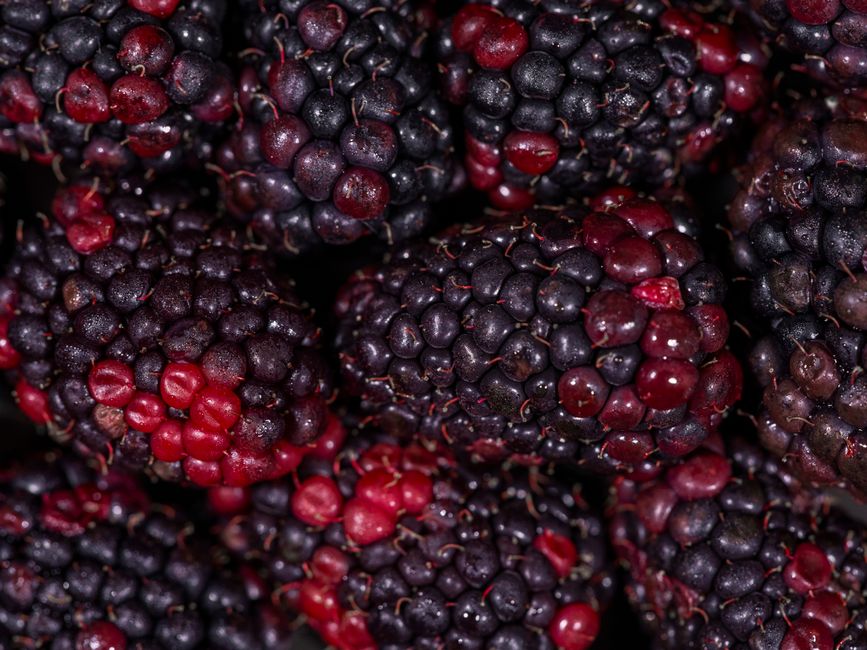
Biting into a dark, plump blackberry and getting a face-puckering sour taste is a common letdown. The sourness usually comes down to when the berry was picked and how it was handled after harvest. You can fix sour blackberries by letting them ripen at room temperature, pairing them with sugar or other sweet fruits, or cooking them into a dish where their tartness becomes an asset. The right fix depends on why they are sour in the first place, and that is what this guide breaks down.
Why Are My Blackberries Sour And How To Fix It?
Blackberries do not ripen after they are picked the way bananas or avocados do. Once a blackberry is removed from the plant, its sugar content is essentially locked in. A sour blackberry was picked too early, plain and simple.
What does change after picking is texture. The berry will soften and darken slightly over a day or two, which can make it taste a little less harsh. But the actual sugar level stays the same. If a berry is sour on the vine, it will still be sour on your counter. The most reliable fix is to buy or pick berries that are fully ripe in the first place.
How To Tell If A Blackberry Is Actually Ripe
Color alone does not tell you everything. A blackberry turns from red to black before it is fully ripe. The black color appears early in the ripening process, and the berry continues to develop sugar for several more days after that.
Here is what a truly ripe blackberry looks and feels like:
- Deep, dull black color. A shiny black berry is often under-ripe. A dull, matte finish usually means it is fully mature.
- Soft to the touch. It should give slightly when pressed gently, like a ripe peach. A hard berry is not ready.
- Comes off the plant easily. A ripe blackberry practically falls into your hand. If you have to tug or pull, it is not ripe.
- The core stays behind. When you pick a ripe blackberry, the white core (receptacle) stays on the plant. If the core comes off with the berry, it was picked too early.
If you bought blackberries from a store, check the bottom of the container. Berries at the bottom are often squished and overripe, while the ones on top may be under-ripe. Neither is ideal, but knowing what you have helps you decide what to do with them.
Can You Ripen Sour Blackberries At Home?
Partially. As mentioned, sugar content does not increase after picking. However, leaving sour blackberries at room temperature for 24 to 48 hours can improve their texture and make them taste less sharp.
The berry continues to soften and the acids mellow slightly as the fruit respires. This does not add sugar, but it can round out the flavor enough to make the berries edible. Do not leave them more than two days. They will start to mold quickly, especially if they were washed before storage. Moisture accelerates spoilage, so keep unwashed berries in a single layer on a paper towel in the fridge if you plan to use them within a few days.
If the berries are extremely sour, no amount of counter time will fix them. Your options then are to sweeten them or cook them.





Quick Fixes For Sour Blackberries
When you have a bowl of sour blackberries, you have three practical options: sweeten, cook, or blend.
Sugar is the most direct fix. A light dusting of granulated sugar draws out the berry juice and balances the acid. Let the sugared berries sit for 15 to 20 minutes before eating. The sugar dissolves into the juice and creates a light syrup. This works well for eating them fresh on yogurt, oatmeal, or ice cream.
Honey or maple syrup also work, but they add their own flavor. Honey pairs well with blackberries, while maple syrup can overpower the berry taste. Use them sparingly and taste as you go.
Cooking transforms sour blackberries entirely. Heat breaks down the pectin and softens the cell walls, which releases more juice and changes the perception of acidity. Simmering sour blackberries with a small amount of sugar and lemon juice makes a compote or sauce that works on pancakes, cheesecake, or pork. The tartness becomes a feature rather than a flaw.
Blending with sweeter fruit is another reliable approach. Mix sour blackberries with ripe bananas, sweet strawberries, or mango in a smoothie. The sweet fruit masks the tartness without adding refined sugar.
What To Do With Sour Blackberries Instead Of Eating Them Raw
Sour blackberries are actually excellent for certain recipes. Their high acid content makes them ideal for jams, jellies, and baked goods because the sugar in those recipes balances the acid naturally.
Here are some good uses:
- Jam or jelly. The natural pectin in under-ripe berries helps jam set properly. Many jam makers intentionally use some under-ripe fruit for this reason.
- Pie or cobbler filling. The sugar in the filling offsets the sourness. The berries hold their shape better when they are slightly firm.
- Blackberry syrup. Simmer with sugar and water, strain, and use on pancakes or in drinks.
- Vinaigrette. Mash sour blackberries with olive oil, vinegar, and a pinch of salt for a tangy salad dressing.
- Fruit leather. Puree with a little honey, spread thin, and dehydrate. The tartness makes a nice contrast to the sweetness.
Freezing sour blackberries does not improve their flavor. Freezing preserves what you have. If you freeze sour berries, plan to use them in cooked dishes later.
Why Store-Bought Blackberries Are Often Sour
Commercial blackberries are usually picked before full ripeness. The reason is shelf life. A fully ripe blackberry is soft, fragile, and spoils within a couple of days. A firmer, slightly under-ripe berry survives shipping and sits on a store shelf longer.
This trade-off means the berries you buy at the grocery store are almost always less sweet than what you would pick from a local farm at peak season. Farmers markets and u-pick farms are your best bet for fully ripe blackberries, because they do not need to survive a long supply chain.
Season matters too. Blackberries harvested early in the season, often in June, tend to be more tart. Late-season berries, from August into September, are usually sweeter because they develop during hotter weather. The heat increases sugar accumulation in the fruit.
Does The Variety Affect Sweetness?
Yes. Different blackberry varieties have different natural sugar and acid levels. Some varieties are bred for sweetness, while others are naturally more tart.
Common sweet varieties include Triple Crown, Natchez, and Ouachita. These are often recommended for fresh eating. Varieties like Marionberry and Boysenberry (a blackberry-raspberry cross) have a more complex, tangy flavor that some people love and others find too sour.
If you are buying at a farmers market, ask the grower which variety they sell and whether it is sweet or tart. If you are growing your own, check the variety name when you buy the plant. A variety labeled as “sweet” will give you better fresh-eating results than a variety known for tartness.
How To Store Blackberries To Keep Them From Turning Sour
Storage does not fix sourness, but bad storage can make good berries worse. Moisture is the enemy. Wet berries develop mold quickly, and moldy berries taste off and can be unsafe to eat.
Follow these steps:
- Do not wash berries until right before eating.
- Store them in the fridge in a container with airflow. A shallow container lined with paper towels works well.
- Remove any bruised or moldy berries immediately. One moldy berry can spoil the whole container.
- Eat them within 2 to 3 days of purchase.
If you have more berries than you can eat, rinse them, pat them dry, and freeze them in a single layer on a baking sheet. Once frozen, transfer to a zip-top bag. Frozen berries are best for smoothies, baking, or sauces.
Is It Safe To Eat Sour Blackberries?
Yes. Sour blackberries are safe to eat. Sourness is a flavor profile, not a sign of spoilage. The berries are simply under-ripe.
Spoilage looks different. Discard blackberries that are mushy, leaking juice, or showing any fuzzy mold. Mold on blackberries can spread invisibly, so if you see mold on one berry, check the rest carefully. When in doubt, throw them out. The cost of a container of berries is not worth the risk of foodborne illness.
If the berries smell fermented or like alcohol, they are past their prime and should be discarded. That smell indicates the fruit has begun to ferment, which is a sign of spoilage, not ripeness.
Frequently Asked Questions
Can you sweeten sour blackberries without sugar?
Yes, honey, maple syrup, or blending them with naturally sweet fruit like bananas or ripe peaches works well. These options add sweetness without refined sugar.
Do blackberries get sweeter after you pick them?
No, blackberries do not gain sugar after picking. They may soften and taste slightly less tart over a day or two, but the sugar content is fixed at harvest.
Why are my homegrown blackberries sour even when they are black?
The berries may have been picked a few days too early, or the variety may naturally be tart. Wait until the berry is dull black, soft, and comes off the vine with almost no tug.
What is the best way to use very sour blackberries?
Cook them into jam, pie filling, or a compote. The sugar in these recipes balances the acid, and the heat softens the fruit so the tartness becomes more pleasant.
