
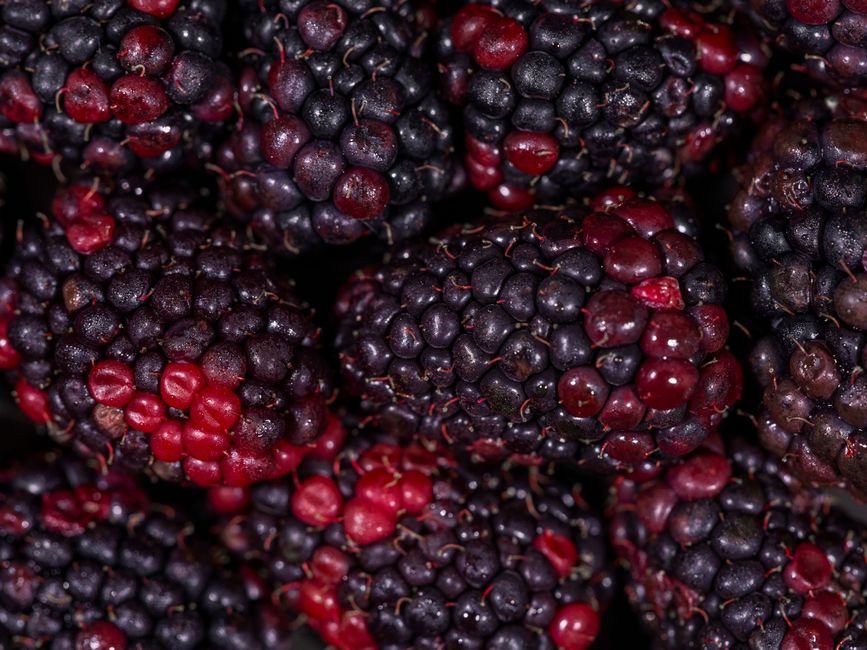
Blackberries are one of the most fragile fruits in the produce aisle, and their short shelf life comes down to simple biology. They are delicate clusters of tiny drupelets with thin skins, high moisture content, and natural sugars that mold spores love. The moment a berry is picked, it stops receiving nutrients from the plant and begins to break down, leaving it vulnerable to the microscopic mold spores that exist everywhere in the air. The fastest way to stop the cycle is to keep them cold, dry, and well-ventilated—ideally by rinsing them in a vinegar solution, drying them thoroughly, and storing them in a breathable container lined with paper towels.
Why Blackberries Go Moldy So Fast And How To Stop It
The answer starts with how blackberries are built. Each berry is actually an aggregate fruit, meaning it is made up of dozens of tiny individual fruits called drupelets, each with its own thin skin. Those skins are easily bruised, and every bruise creates an entry point for mold spores. Unlike apples or oranges with thick protective peels, blackberries have almost no barrier between the moist flesh and the outside world.
Moisture is the other half of the problem. Blackberries are roughly 85 percent water. Mold needs three things to grow: moisture, warmth, and food. A blackberry provides all three. When berries sit in a clamshell container, trapped condensation creates a humid microclimate that turns the package into a petri dish. Within 24 to 48 hours at room temperature, visible mold can begin to form on bruised or damaged berries.
The good news is that you can interrupt this process. Once you understand that mold needs moisture and warmth, the prevention strategy becomes clear: remove surface moisture, keep the berries cold, and give them airflow so condensation cannot pool.
Does Washing Blackberries Before Storing Help or Hurt?
Washing blackberries before storage is a common mistake. The extra water clings to the drupelets and accelerates mold growth. Store them dry and wash them right before you eat them.
If you want to wash them ahead of time, there is one method that actually helps. A vinegar rinse can kill mold spores on the surface. Mix one part white vinegar with three parts water, soak the berries for about 30 seconds, then rinse them thoroughly with plain water. The vinegar taste does not linger when rinsed properly.
After any rinse, drying is the most important step. Spread the berries in a single layer on a clean kitchen towel or paper towels. Gently roll them around to absorb surface moisture. Let them air dry for 15 to 30 minutes before refrigerating. Berries stored with any visible moisture will mold faster than dry ones, regardless of the vinegar treatment.
What Is the Best Way to Store Blackberries in the Fridge?
Temperature matters more than almost anything else. Blackberries should be refrigerated as soon as possible after purchase. The ideal storage temperature is just above freezing, around 32 to 34 degrees Fahrenheit. Most home refrigerators run slightly warmer, around 37 to 40 degrees, which is acceptable but not optimal.
Container choice makes a real difference. The plastic clamshell they come in traps moisture. Instead, line a shallow container with paper towels to absorb condensation. Add the dry berries in a single layer if possible. If you must stack them, place another paper towel between layers to cushion the berries and absorb moisture.
Do not seal the container. Leave the lid slightly ajar or poke holes in it to allow airflow. Stagnant air allows humidity to build up. A completely open container in the fridge can cause the berries to dry out and shrivel, so the goal is balance—some airflow, but not so much that the berries dehydrate.
Check the container every day. Remove any berry that shows even a tiny spot of mold. One moldy berry can release spores that spread to the rest of the container within hours. Some people compare this to how one bad apple spoils the bunch, but with blackberries it happens faster because the fruit is so delicate.





Why Do Blackberries Mold Faster Than Strawberries or Blueberries?
Blackberries are structurally different from other berries. Blueberries have a protective waxy coating called bloom that resists moisture loss and microbial invasion. Strawberries have a tougher outer skin, though they still mold relatively quickly. Blackberries have neither advantage.
Each drupelet on a blackberry is connected to the core by a tiny stem-like structure. These connections are weak points where moisture escapes and mold enters. The crevices between drupelets also trap moisture and provide sheltered spots for spores to germinate.
Blackberries are also harvested ripe, unlike some fruits that are picked green and ripen during transport. A fully ripe blackberry is at its peak sugar content and softness, which makes it delicious but highly perishable. Fruit that is picked before peak ripeness travels better but tastes worse. This is a trade-off that growers and shippers constantly balance.
Can You Freeze Blackberries to Keep Them From Molding?
Freezing is the most reliable long-term solution. Frozen blackberries will not mold because mold cannot grow at freezer temperatures. The texture will change—frozen berries become soft when thawed—but they remain safe to eat and work well in smoothies, baking, and sauces.
To freeze blackberries properly, first wash and dry them completely. Spread them in a single layer on a baking sheet lined with parchment paper. Freeze for two to three hours until they are individually frozen. Then transfer them to a freezer bag or airtight container. This prevents them from clumping into one solid mass.
Frozen blackberries will keep for about six to twelve months. Beyond that, they may develop freezer burn or lose flavor, but they will not grow mold. If you have more berries than you can eat within a few days, freezing is the best way to avoid waste.
Is It Safe to Eat Blackberries With Mold on Them?
Do not eat moldy blackberries. The visible mold you can see is only part of the problem. Mold roots, called hyphae, can extend invisibly into the fruit flesh. Some molds produce mycotoxins that can cause allergic reactions or respiratory problems, though serious illness from eating a single moldy berry is rare.
The USDA guidance on soft fruits is clear: discard soft fruits with mold. Because blackberries are so porous and moist, mold can penetrate deeply. Unlike hard cheeses or firm vegetables where you can cut off the moldy section, there is no safe way to salvage a moldy berry.
Here is the practical approach: if you see mold on one or two berries in a container, remove them immediately and inspect the rest closely. If the remaining berries look and smell fresh with no visible mold, they are generally safe to eat. But any berry that touches the moldy ones may already be contaminated, so inspect carefully. If mold is widespread throughout the container, throw the entire batch away.
How Long Do Blackberries Actually Last?
At room temperature, blackberries will show signs of mold within one to two days. Stored properly in the refrigerator, they can last three to six days. The exact duration depends on how fresh they were when purchased and how carefully they are handled.
Berries bought at a farmers market and used within a day or two are at their best. Berries from a grocery store may have already spent several days in transit and on the shelf. There is no way to know exactly when they were picked, so assume they are older than they look.
Signs that blackberries are past their prime include a dull appearance, soft or mushy texture, leaking juice, and an off smell. A slight sour aroma is an early warning sign. Berries that look perfect but taste bland may have been picked early and will still mold on the same schedule as ripe ones.
Does Buying Organic or Local Make a Difference?
Local berries are often fresher simply because they travel shorter distances. A berry picked yesterday will always outlast a berry picked a week ago, regardless of growing method. If you can buy from a local farm, you are getting berries at their peak freshness.
Organic blackberries are not less likely to mold. Mold is a natural organism, not a pesticide issue. Both organic and conventionally grown blackberries carry mold spores on their surfaces. The growing method does not change the berry’s basic biology or its perishability.
One advantage of buying local is that berries are often sold the same day they are picked. Look for berries that are plump, deep purple-black in color, and free of juice stains on the container. Juice on the bottom of the container means the berries have been sitting and are already breaking down.
Frequently Asked Questions
Should blackberries be washed before refrigerating?
No, wash them right before eating. Extra moisture speeds up mold growth.
Can I eat blackberries if one in the container has mold?
Remove the moldy berry and inspect the rest closely. If no other berries show mold, they are generally safe to eat, but use them quickly.
How long do blackberries last in the refrigerator?
Properly stored dry and cold, blackberries typically last three to six days. Check them daily and remove any that start to soften or mold.
Does freezing blackberries stop mold?
Yes, mold cannot grow at freezer temperatures. Frozen blackberries will keep for six to twelve months without molding.
