
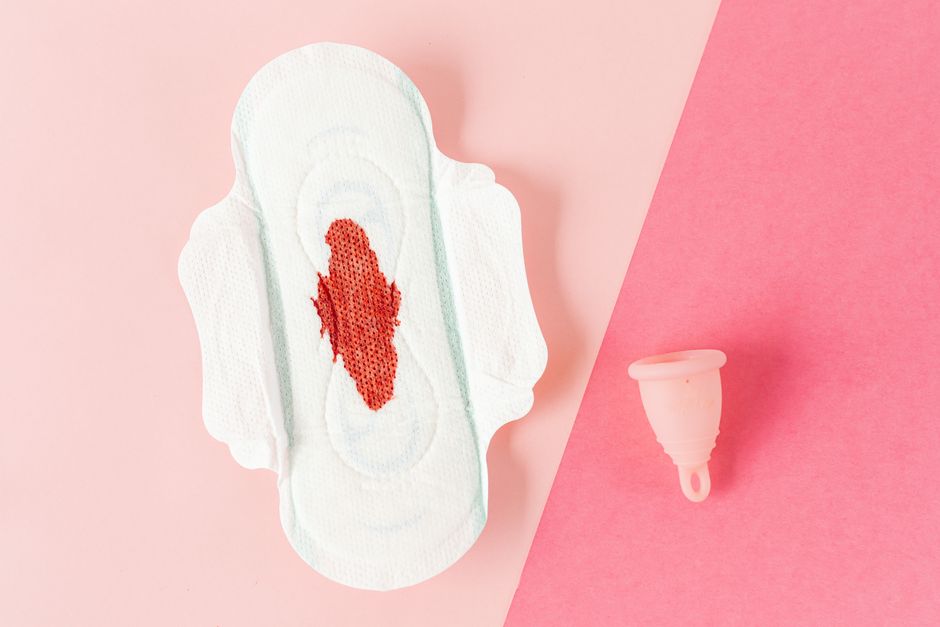
Feeling exhausted in the days before your period is one of the most common premenstrual complaints. This fatigue is not in your head. It is a predictable physical response to the natural drop in hormones that happens each cycle. The tiredness typically begins about a week before your period starts and often lifts within a day or two after bleeding begins. Understanding why this happens is the first step to managing it, and there are practical, evidence-based ways to reduce how much it affects your daily life.
Why Am I So Tired Before My Period Causes Fixes?
The main cause is the sudden drop in progesterone that occurs in the week before menstruation. Progesterone has a mild sedative effect on the brain. When your body produces it in high amounts after ovulation, it can make you feel sleepy. When levels fall sharply right before your period, your body goes through a withdrawal-like response that leaves many women feeling drained.
Estrogen also drops during this same window. Estrogen influences energy-regulating brain chemicals like serotonin. Lower serotonin levels are linked to both fatigue and mood changes. Together, these two hormone shifts create the classic premenstrual energy crash.
There is also a physical component. The uterine lining is breaking down, which triggers inflammation in the body. This inflammatory response consumes energy and can make you feel achy and tired, similar to how you feel when fighting off a mild illness.
How Premenstrual Fatigue Differs From Normal Tiredness
Regular tiredness usually responds well to a good night of sleep or a restful weekend. Premenstrual fatigue often does not. Many women report sleeping eight or nine hours and still waking up exhausted. That is because the problem is not sleep quantity. It is the hormonal environment disrupting your body’s normal energy regulation.
This type of fatigue also comes with a distinct pattern. It appears predictably in the luteal phase, which is the two weeks between ovulation and your period. If you track your cycle, you may notice the tiredness starts around the same day each month. It often pairs with other premenstrual symptoms like breast tenderness, bloating, or irritability.
Another difference is how it affects your thinking. Many women describe brain fog alongside the physical exhaustion. You may struggle to find words, forget appointments, or feel unusually slow at work. This cognitive sluggishness is part of the same hormonal shift and is well documented in research on premenstrual symptoms.
Blood Sugar Swings Make the Fatigue Worse
Hormone changes do not just affect your brain. They also affect how your body handles sugar. In the week before your period, many women experience stronger cravings for carbohydrates and sweets. This is partly driven by the drop in serotonin, which your brain tries to fix by wanting quick sources of sugar.
When you eat those refined carbs, your blood sugar spikes and then crashes. That crash adds a second layer of tiredness on top of the hormonal fatigue. The result is a double energy drain that can feel overwhelming.
Eating smaller meals more frequently can help. Focus on protein and fiber at each meal to keep blood sugar steady. Think eggs and whole grain toast for breakfast, a salad with chicken for lunch, and vegetables with fish for dinner. This does not eliminate hormonal fatigue, but it prevents the extra energy drop caused by unstable blood sugar.




Iron Loss Can Contribute to Low Energy
Heavy menstrual bleeding is a common reason for ongoing tiredness that gets worse before your period. If your periods are heavy, you lose iron each month. Over time, this can lead to iron deficiency, which directly causes fatigue.
Iron deficiency is not just about being low on one nutrient. It affects your blood’s ability to carry oxygen to your muscles and brain. When oxygen delivery drops, everything feels harder. You feel winded climbing stairs, your muscles feel heavy, and your concentration suffers.
If your tiredness does not improve with lifestyle changes, it is worth asking a doctor to check your ferritin level. Ferritin measures your body’s stored iron. A level below 30 ng/mL is considered by many clinicians to be too low for optimal energy, even if it falls within the standard laboratory range. Do not start iron supplements without a blood test, since too much iron can be harmful.
Sleep Quality Drops in the Luteal Phase
Even if you spend enough hours in bed, the quality of your sleep may be worse in the week before your period. Research using sleep tracking devices has found that women in the luteal phase spend less time in deep sleep. They also wake up more often during the night, even if they do not fully remember waking.
Body temperature plays a role here. Progesterone raises your core body temperature after ovulation. A higher core temperature makes it harder for your body to enter and maintain deep sleep. Your bedroom may need to be cooler than usual during this phase to compensate.
Try lowering your thermostat by a degree or two in the week before your period. Use lighter bedding. Avoid hot showers right before bed, since they raise your core temperature further. These small adjustments can meaningfully improve sleep quality during this phase.
What Actually Helps: Evidence-Based Fixes
No single fix eliminates premenstrual fatigue completely. But several approaches have real evidence behind them, and combining them can make a noticeable difference.
- Regular exercise. Aerobic exercise like brisk walking, cycling, or swimming for 30 minutes most days has been shown to reduce premenstrual symptoms, including fatigue. Exercise boosts endorphins and helps regulate blood sugar. It may feel hard to start when you are tired, but the energy boost afterward is real.
- Consistent sleep schedule. Going to bed and waking at the same time every day, including weekends, helps stabilize your body’s internal clock. This matters more during the luteal phase when your sleep architecture is already disrupted.
- Magnesium-rich foods. Some studies suggest magnesium can help with premenstrual symptoms. Good food sources include spinach, almonds, black beans, and pumpkin seeds. The evidence is modest, but these foods are healthy regardless.
- Limit caffeine after noon. Caffeine can interfere with sleep quality, especially in the second half of your cycle. Switching to herbal tea or water in the afternoon may help you sleep more deeply at night.
- Plan your schedule around it. If you know you will feel drained for three days each month, build that into your calendar. Schedule lighter tasks for those days. Do not plan major presentations or intense workouts during your lowest-energy window.
These strategies work because they address the secondary factors that make hormonal fatigue worse. They do not stop the hormone drop itself. But they reduce the overall energy deficit, so the hormonal dip hits you less hard.
When Premenstrual Fatigue Is Something More
For most women, premenstrual tiredness is uncomfortable but manageable. For some, it is severe enough to interfere with work, relationships, and daily functioning. When fatigue is that disabling, it may be part of premenstrual dysphoric disorder, or PMDD. PMDD is a more severe form of premenstrual syndrome that affects a smaller percentage of women.
You should talk to a doctor if your fatigue is so severe that you cannot get out of bed, if it is accompanied by significant depression or anxiety, or if it does not improve within a few days after your period starts. Persistent fatigue that lasts the entire month is not premenstrual. That points to other causes like thyroid problems, anemia, or sleep disorders.
Treatment for severe premenstrual fatigue is different from lifestyle management. Some clinicians recommend specific antidepressants taken only in the luteal phase. Others discuss hormonal birth control to stabilize the hormone fluctuations. These are medical decisions that require a proper evaluation, not self-treatment.
Tracking Your Symptoms Helps You Find Your Pattern
One of the most useful things you can do is track your symptoms for two or three full cycles. Write down each day how tired you feel on a scale of one to ten. Note your sleep hours, exercise, and what you ate. Also record the first day of your period each month.
After a few cycles, patterns become obvious. You may see that fatigue starts exactly ten days before your period. You may notice it is worse in months when you skipped exercise. You may find that your energy dips on specific days of your cycle, which helps you plan around them.
There are many period tracking apps that make this easy. But a simple paper calendar works just as well. The goal is not to obsess over your cycle. It is to know your body well enough to predict and manage your energy.
Frequently Asked Questions
Why do I feel exhausted even after sleeping well before my period?
The drop in progesterone and estrogen before your period disrupts brain chemicals that regulate energy, so sleep does not fully restore you. You may also be getting less deep sleep during this phase even if you spend enough hours in bed.
How many days before my period does fatigue start?
Fatigue typically begins about one week before your period starts, during the luteal phase. It usually improves within a day or two after bleeding begins.
Can low iron cause premenstrual fatigue?
Yes, if you have heavy periods, iron loss can cause or worsen fatigue. A blood test for ferritin can tell you if your iron stores are low.
What is the fastest way to boost energy before my period?
Eating a protein-rich snack and doing ten minutes of light movement like walking are the quickest evidence-based boosts. Both help stabilize blood sugar and improve circulation without requiring much energy to start.
