
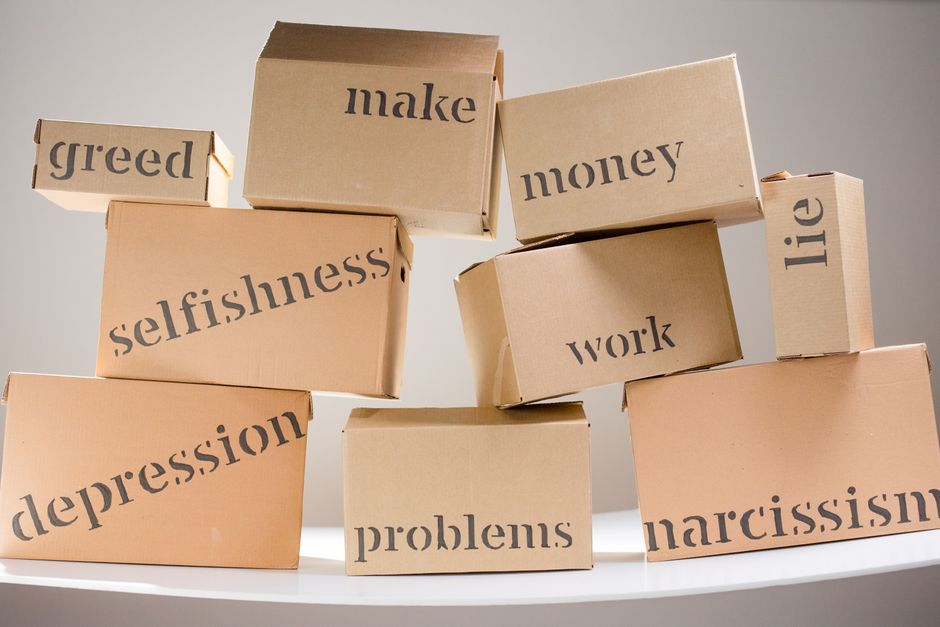
Pessimism usually isn’t a personality flaw. It’s a thinking pattern the brain learned, often as a form of protection, and thinking patterns can change with practice. The most common drivers are stress, depression or anxiety, repeated negative experiences, and a natural bias toward remembering threats more than good events. Shifting it takes time, but the methods with the best evidence are specific and learnable.
Why Am I So Pessimistic? Causes And How To Shift
Pessimism is a habit of expecting bad outcomes. It can be a temporary response to hard circumstances, or a steady lens you see everything through. Understanding which one applies to you matters, because the fix is different.
Three broad forces tend to produce pessimistic thinking. The first is biology and mood. Depression and anxiety disorders are strongly linked to negative expectancy, and pessimism is often a symptom rather than a cause. The second is learning. If you grew up in an unpredictable or critical environment, your brain may have learned that expecting the worst keeps you from being blindsided. The third is current load. Chronic stress, poor sleep, grief, and isolation all tilt thinking negative.
There’s a detail worth knowing. The brain does not process good and bad events symmetrically. Negative events tend to be encoded more strongly and recalled more easily than positive ones. This is sometimes called a negativity bias, and it appears to be a normal feature of how human memory works rather than a defect. That means a certain amount of pessimistic leaning is not unusual. It becomes a problem when it is persistent, out of proportion to reality, and starts steering your decisions.
Is Pessimism a Mental Health Condition?
Pessimism by itself is not a diagnosis. It is a thinking style, and it shows up across many conditions and in people with no condition at all.
That said, persistent pessimism is often a feature of depression. In clinical descriptions, depression commonly involves a negative view of the self, the world, and the future. If your pessimism arrived alongside low energy, loss of interest, sleep changes, or difficulty concentrating, it may be part of a depressive episode rather than a standalone trait.
Anxiety can produce something similar. When your mind is braced for threat, expecting the worst feels rational in the moment. Generalized anxiety, in particular, is built around anticipating bad outcomes.
This distinction matters because treatment differs. Pessimism as a habit responds to thought-based work. Pessimism as a symptom of depression or anxiety often needs treatment for the underlying condition first. If you are not sure which you are dealing with, that is a reasonable thing to bring to a doctor or therapist.
How Does the Brain Learn to Expect the Worst?
Expectation is built from experience. When an outcome is repeatedly negative, the brain updates its prediction and starts preparing for that outcome by default.
This is useful when it is accurate. If a stove is hot every time you touch it, expecting heat protects you. The problem is when the pattern generalizes. A few painful experiences in one area, such as relationships or work, can lead to a blanket expectation across all areas.
There is also a memory effect at work. Bad events tend to be remembered in more detail and retrieved faster than good ones. Over time, this creates an uneven mental record. You may genuinely have had more good days than bad, but the bad ones are easier to call up, so your sense of the odds gets skewed.
None of this is permanent. Prediction is learned, and learned patterns can be revised with new experience and deliberate practice. That is the basis for most effective approaches to shifting pessimism.





What Actually Helps Shift Pessimistic Thinking?
The approaches with the strongest evidence come from cognitive behavioral therapy, often shortened to CBT. CBT works on the idea that thoughts, feelings, and actions influence each other, and that changing one changes the others.
Several specific techniques are used in CBT for negative thinking:
- Thought records. You write down a pessimistic thought, the evidence for it, the evidence against it, and a more balanced version. Done repeatedly, this trains you to catch automatic thoughts before they run.
- Testing predictions. You identify a specific feared outcome, then check whether it actually happens. Over time, the gap between predicted and actual outcomes becomes visible.
- Behavioral activation. You schedule and complete small activities even when you don’t feel like it. This is used mainly for depression and helps break the cycle where low mood reduces activity, which then worsens mood.
- Reducing rumination. Rumination is repetitive, passive focus on problems without moving toward solutions. It tends to deepen pessimism. Noticing it and redirecting to a concrete action, or to a scheduled worry time, can reduce it.
Physical factors matter too. Sleep loss reliably worsens mood and negative thinking. Regular physical activity is associated with reduced symptoms of depression in many studies, though the size of the effect varies. Social connection is one of the more consistent protective factors for mood.
One clarification worth making. Simply telling yourself to “think positive” does not work and is not what CBT teaches. The goal is accuracy, not cheerfulness. A realistic assessment of a situation is more useful than an artificially bright one, and it is more likely to hold up over time.
When Should You Get Professional Help?
Pessimism that interferes with daily life is worth evaluating. That includes difficulty working, withdrawing from people, or losing interest in things you used to enjoy.
Seek help sooner if you have symptoms of depression that last more than a couple of weeks, or if you have thoughts of harming yourself. Those are not things to manage alone. In the United States, you can call or text 988 to reach the Suicide and Crisis Lifeline at any time.
A doctor or therapist can help distinguish between pessimism as a habit and pessimism as a symptom of something treatable. If depression or an anxiety disorder is present, treatment may include therapy, medication, or both. The choice depends on severity, history, and preference, and it is a conversation to have with a clinician rather than a decision to make from an article.
Can Pessimism Ever Be Useful?
Yes, in limited ways. A certain amount of negative expectation can improve preparation.
This is sometimes called defensive pessimism. Some people perform better when they imagine what could go wrong and plan for it, because the anxiety motivates preparation. Research on this is mixed, and it appears to help some people and hurt others. It is not a strategy to adopt deliberately if it mainly leaves you anxious and stuck.
The distinction is between pessimism that leads to action and pessimism that leads to paralysis. Expecting a problem and preparing for it is different from expecting a problem and doing nothing because you assume it is hopeless. The first can be useful. The second is the pattern worth changing.
There is also a difference between pessimism about a specific situation and pessimism as a general worldview. Situational caution is often reasonable. A blanket expectation that things will go badly regardless of what you do is not, and it tends to become self-fulfilling because it reduces effort.
How Long Does It Take to Change a Pessimistic Outlook?
There is no fixed timeline, and anyone who gives you one is guessing. Thinking patterns built over years usually take weeks to months of consistent practice to shift, and progress is rarely linear.
What tends to help is measuring the right thing. Instead of waiting to feel optimistic, track whether you are catching negative thoughts more often, whether your predictions are matching reality more closely, and whether you are doing more of what matters to you. Those are the changes that show up first.
If you have been working at it and nothing is moving, that is useful information. It may mean the approach needs to change, or that an underlying condition is not being treated. Either way, it is a reason to talk to a professional, not a reason to conclude that you are stuck this way.
Frequently Asked Questions
Is pessimism genetic?
Temperament has a genetic component, and some people are naturally more cautious or threat-focused from early in life. But genetics set a tendency, not a fixed outcome, and thinking patterns are shaped heavily by experience and can change.
Can pessimism be a sign of depression?
Yes, persistent pessimism is a common feature of depression, particularly a negative view of the future. If it comes with low energy, lost interest, or sleep changes, it is worth having evaluated.
Does positive thinking actually work?
Simply repeating positive statements has weak evidence behind it and can backfire for some people. Approaches that focus on accurate, balanced thinking have stronger support than forced positivity.
How do I stop being pessimistic?
The most supported methods involve catching negative thoughts, checking them against evidence, and testing your predictions over time. These skills are taught in cognitive behavioral therapy and can also be practiced on your own.
