
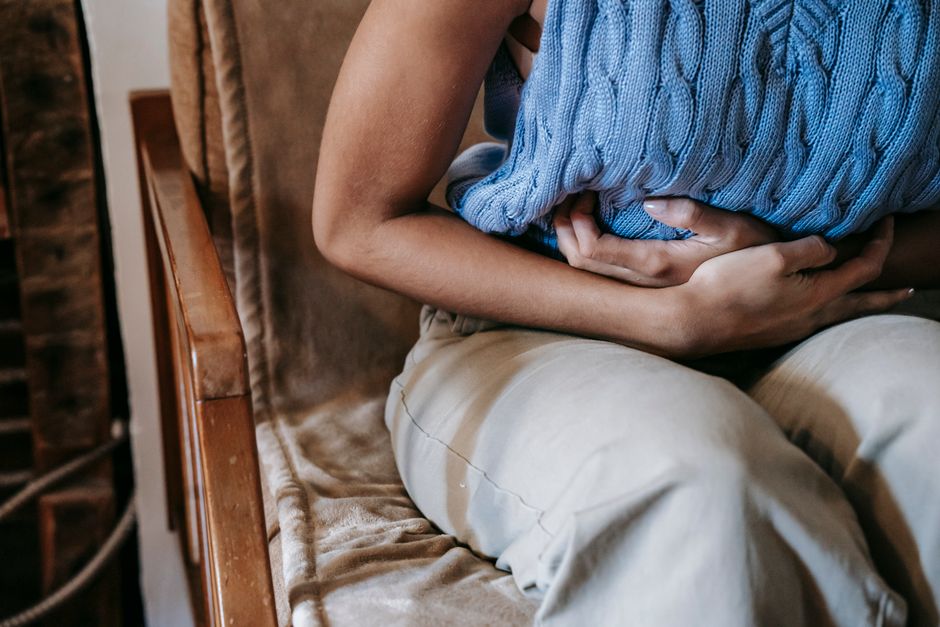
Period bloating is one of the most common and frustrating parts of the menstrual cycle. That tight, swollen feeling in your belly is not in your head — it is a physical response to normal hormonal shifts. Research shows that changes in estrogen and progesterone directly affect how your body holds onto fluid and moves food through your digestive tract. The result is a temporary increase in abdominal size and pressure that usually resolves within a few days of your period starting.
What Causes Bloating During Your Period?
The main driver is estrogen. In the days before your period, estrogen levels rise and then drop sharply. This fluctuation influences aldosterone, a hormone that tells your kidneys how much sodium and water to keep in your body. When estrogen drops, aldosterone activity shifts, and your body retains more fluid than usual.
Progesterone also plays a role. It rises after ovulation and stays elevated until your period begins. Progesterone relaxes smooth muscle throughout the body, including the muscles in your intestinal tract. When those muscles slow down, food moves through your digestive system more slowly. That slower transit time means more gas builds up, adding to the bloated feeling.
Together, fluid retention and slower digestion create that swollen, heavy sensation. For most people, this adds up to 1 to 2 pounds of temporary water weight during the premenstrual phase. Some people notice more. Some notice less.
Why Do I Look Pregnant in the Mirror?
Your abdomen can visibly expand during this time for two reasons. The first is the extra fluid collecting in your tissues. The second is gas distending your intestines. Both are temporary.
The visual effect can be dramatic because your abdominal wall muscles relax along with everything else. When your intestinal muscles slow down, the organs inside your abdomen push outward against a relaxed abdominal wall. That combination — more gas and fluid inside, less muscular tension outside — makes your belly look larger than the actual weight gain would suggest.
This is not fat gain. A few days of bloating will not change your body composition. The swelling is mechanical and hormonal, and it reverses as your hormone levels stabilize after your period begins.
Is It Just Water Weight or Something Else?
Most period bloating is a combination of water retention and intestinal gas. But some people experience additional contributors.
Prostaglandins are hormone-like substances that your uterus releases to help it shed its lining. These same compounds can affect your digestive tract. They can cause cramping in the intestines, which sometimes leads to diarrhea or constipation during the first days of your period. Changes in bowel habits can make bloating feel worse even after the water retention starts to ease.
Food cravings also contribute. Many people crave salty or carbohydrate-heavy foods in the week before their period. Salt makes your body hold onto more water. Carbohydrates are stored with water in your muscles and liver. If you eat more of both, you will retain more fluid.
There is also a lesser-known factor: swallowing air. When you feel nauseous or uncomfortable, you may swallow more frequently. That swallowed air has to go somewhere, and it adds to intestinal gas.

How Long Does Period Bloating Last?
Bloating typically starts 1 to 2 days before your period begins. It usually peaks on the first or second day of bleeding. Most people notice significant relief by day 3 or 4 of their period.
The timeline tracks your hormone levels. Estrogen and progesterone both fall sharply right before bleeding starts. Fluid retention often peaks around that hormonal drop. As your body adjusts to the new lower hormone levels during your period, the extra fluid gradually works its way out through your kidneys.
If bloating lasts more than a week after your period ends, or if it is severe enough to interfere with daily activities, that is worth discussing with a clinician. Persistent bloating can sometimes signal other conditions, including irritable bowel syndrome, endometriosis, or ovarian issues.
Why Am I So Bloated During Period Even When I Eat Well?
Eating well does not fully protect you from period bloating because the primary cause is hormonal, not dietary. You can eat a perfect diet and still retain fluid and slow your digestion in the days before your period.
That said, diet can make bloating better or worse. High-sodium foods amplify water retention. Highly processed foods, fried foods, and carbonated drinks can increase gas production. Dairy and gluten do not cause bloating for everyone, but they can be triggers for people with sensitivities.
Your baseline digestive health matters too. People who already experience bloating from irritable bowel syndrome often notice their symptoms intensify during the premenstrual phase. The hormonal slowdown of digestion stacks on top of their usual digestive patterns.
One non-obvious factor is magnesium. Some research suggests that magnesium levels may fluctuate across the menstrual cycle, and low magnesium can contribute to muscle cramping and water retention. Magnesium-rich foods like leafy greens, nuts, and whole grains are reasonable additions to your diet in the week before your period, though evidence for magnesium supplements specifically reducing bloating is limited.
What Actually Helps Reduce Period Bloating?
Several approaches have solid evidence behind them. None eliminate bloating completely, but most people find meaningful relief with a combination of these strategies.
Reduce sodium in the week before your period. This means limiting processed foods, canned soups, salty snacks, and restaurant meals. Your body will retain less water when sodium intake is lower.
Drink more water. It sounds counterintuitive, but adequate hydration helps your kidneys flush out excess sodium and fluid. When you are dehydrated, your body holds onto what it has.
Keep moving. Light to moderate exercise stimulates intestinal motility. A walk, a bike ride, or gentle yoga can help move gas through your system and reduce the feeling of fullness.
Consider potassium-rich foods. Bananas, sweet potatoes, avocados, and spinach help balance sodium levels. Potassium encourages your kidneys to excrete excess sodium, which reduces fluid retention.
Eat smaller, more frequent meals. Large meals stretch your stomach and can make bloating feel worse. Smaller portions spread across the day put less pressure on a digestive system that is already moving slowly.
Try peppermint tea. Peppermint has antispasmodic properties that can relax the muscles of the intestinal wall. It is not a cure, but it can ease gas-related discomfort.
When Bloating Is Not Normal
Period bloating is normal and expected. But there are signs that bloating deserves medical attention.
See a clinician if you experience any of the following:
- Bloating that lasts more than 2 weeks out of every month
- Bloating accompanied by severe pelvic pain that does not respond to over-the-counter pain relievers
- Bloating with changes in bowel habits that persist beyond your period
- Bloating with unexplained weight loss or loss of appetite
- A sudden change in your typical bloating pattern
Conditions like endometriosis, polycystic ovary syndrome, and irritable bowel syndrome can all cause bloating that is worse around your period. These conditions require specific treatment approaches. If your bloating feels out of proportion to a normal cycle, or if it is getting worse over time, do not dismiss it as just another period symptom.
Does Birth Control Help With Period Bloating?
Hormonal birth control can reduce period bloating for some people. Combination birth control pills, patches, and rings keep estrogen and progesterone levels steady throughout the cycle. When hormone levels do not fluctuate, fluid retention and digestive slowdown are less pronounced.
Some research suggests that continuous-use birth control — skipping the placebo week — provides even more consistent relief because it eliminates the hormonal withdrawal that triggers period symptoms. However, the evidence on which specific formulation works best for bloating is limited. Responses vary significantly from person to person.
If period bloating is severe enough to affect your quality of life, discussing hormonal options with a clinician is reasonable. Some people also find that diuretics prescribed by a doctor help, but these should only be used under medical supervision. Over-the-counter water pills are not recommended because they can disrupt your electrolyte balance.
Frequently Asked Questions
How many days before your period does bloating start?
Bloating usually begins 1 to 2 days before your period starts. It peaks on the first or second day of bleeding and typically resolves by day 3 or 4.
Can period bloating make you gain weight?
Period bloating causes temporary water retention of about 1 to 2 pounds, not fat gain. This weight returns to normal within a few days after your period begins.
Does drinking more water help period bloating?
Yes. Staying well hydrated helps your kidneys flush out excess sodium and fluid, which can reduce water retention. Dehydration actually makes your body hold onto more fluid.
What foods make period bloating worse?
High-sodium foods like processed snacks, canned soups, and fast food increase water retention. Carbonated drinks and fried foods can add gas and make bloating feel worse.
