
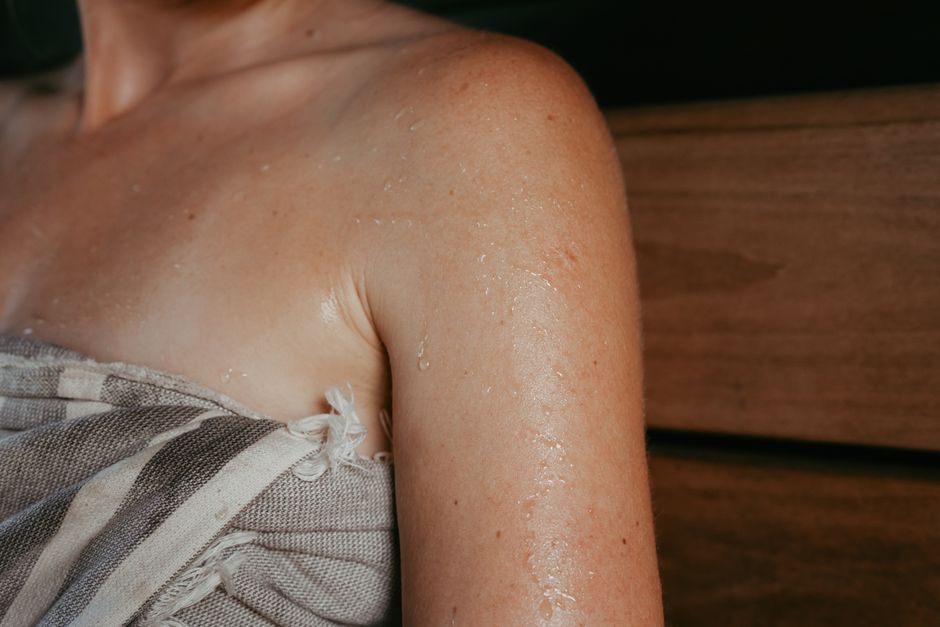
Profuse sweating is your body’s cooling system working at maximum output, but when it happens without a clear reason, it can be frustrating and concerning. For most people, heavy sweating is a normal response to heat, exercise, or stress. For others, it signals an underlying medical condition or a treatable overactive sweat response. Understanding the difference between normal sweating and a problem is the first step toward finding effective treatment.
What Counts as Profuse Sweating?
Sweating is a healthy, natural process. The average person has between 2 and 4 million sweat glands. On a hot day or during intense exercise, it is normal to lose up to a quart of fluid per hour. That is not the same as profuse sweating.
Profuse sweating, or hyperhidrosis, means you sweat heavily even when your body does not need cooling. You might soak through your shirt during a calm meeting. You might leave wet marks on paper when you write. Your hands may drip during a handshake. This type of sweating goes beyond what the situation calls for.
It affects roughly 3 percent of people worldwide. Many never mention it to a doctor because they assume it is normal. It is not always normal, and it is often treatable.
Why Am I Profusely Sweating? Causes And Treatments
The causes of profuse sweating fall into two main categories: primary hyperhidrosis and secondary hyperhidrosis. Primary hyperhidrosis has no underlying medical cause. It usually starts in childhood or adolescence and affects specific areas like the palms, soles, underarms, or face. The nerves that trigger sweat glands are simply overactive.
Secondary hyperhidrosis is sweating caused by another condition or medication. It often affects the whole body rather than specific spots. This type can start suddenly in adulthood. It may happen during sleep, which is unusual for primary hyperhidrosis.
Treatment depends entirely on which type you have. For primary hyperhidrosis, topical treatments and procedures targeting the sweat glands work well. For secondary hyperhidrosis, the focus is on finding and treating the underlying cause.
Common Medical Causes of Whole-Body Sweating
When sweating happens all over the body, an underlying condition is more likely. Several medical issues are known to trigger excessive sweating.
Overactive thyroid is one of the most common causes. The thyroid gland controls metabolism. When it produces too much hormone, your body runs hot and sweats to cool down. Other signs include rapid heart rate, unintentional weight loss, and feeling warm all the time.
Low blood sugar can cause sudden sweating. When glucose drops, the body releases adrenaline as a protective response. That surge causes sweating, shakiness, and anxiety. This is most relevant for people with diabetes, but anyone who skips meals can experience mild versions of this.
Infections and fevers cause sweating as the body fights off illness. The fever raises your internal thermostat, and sweating is the body’s attempt to bring it back down. Tuberculosis and some other chronic infections are specifically known for night sweats.
Menopause is a leading cause of profuse sweating in women. Hormone changes affect the brain’s temperature regulation center. Hot flashes and night sweats are common and can be severe. Some women experience these for years.
Certain cancers, particularly lymphoma, can cause drenching night sweats. This is not common, but it is a reason why persistent night sweats deserve a medical evaluation rather than dismissal.




Medications That Cause Heavy Sweating
Many prescription drugs list sweating as a side effect. If your sweating started after a new medication, the drug is a likely culprit.
Antidepressants are among the most common offenders. Selective serotonin reuptake inhibitors (SSRIs) and some other antidepressants affect the brain’s temperature regulation. This can cause both day and night sweating.
Hormone therapies, including thyroid medication and some diabetes drugs, can also trigger sweating. Pain medications, particularly opioids, and some blood pressure drugs have the same effect.
If a medication is causing your sweating, do not stop taking it on your own. Talk to your doctor. Sometimes a dose adjustment or a switch to a different drug solves the problem. Stopping some medications abruptly can cause dangerous withdrawal effects.
When Profuse Sweating Is an Emergency
Sometimes profuse sweating is a warning sign of a serious event. Chest pain combined with sweating can signal a heart attack. This is especially important for women, who may experience sweating, nausea, and shortness of breath without classic chest pressure.
Sweating with severe dizziness, fainting, or confusion could indicate dangerously low blood pressure or low blood sugar. If sweating comes on suddenly and feels different from anything you have experienced before, seek medical care.
Fever with sweating and a stiff neck is a medical emergency. This combination can indicate meningitis. Do not wait to see if it improves.
When in doubt, err toward getting checked. A brief emergency visit is better than missing a serious condition.
Treatment Options for Primary Hyperhidrosis
If your doctor confirms primary hyperhidrosis, several treatments are available. They range from simple over-the-counter products to medical procedures.
Antiperspirants are the first line of treatment. Unlike deodorants, which only mask odor, antiperspirants block sweat ducts. Clinical-strength versions contain aluminum chloride and are available by prescription. They work best on underarms and are applied at night when sweat glands are less active.
Iontophoresis is a treatment for hand and foot sweating. You place your hands or feet in a shallow tray of water while a low electrical current passes through. The mechanism is not fully understood, but it reduces sweating in most people who try it. Sessions are repeated several times per week initially, then less often for maintenance.
Botox injections are approved for severe underarm sweating. The botulinum toxin blocks the chemical signal that tells sweat glands to activate. Results last several months, and the procedure is well tolerated. It is more expensive than other options and requires repeated treatments.
Oral medications called anticholinergics can reduce whole-body sweating. They work by blocking the nerve signals to sweat glands. Side effects include dry mouth, blurred vision, and constipation. These drugs are not right for everyone and are usually reserved for severe cases.
MiraDry is a procedure that uses microwave energy to destroy underarm sweat glands. The glands do not grow back. It is a permanent solution for underarm sweating, though not all insurance plans cover it.
Lifestyle Measures That Help
Certain daily habits can reduce the impact of heavy sweating even when they do not stop the root cause.
Wearing loose, breathable fabrics like cotton or moisture-wicking materials helps sweat evaporate instead of pooling on your skin. Dark colors and layered clothing make visible sweat less noticeable. Carrying a spare shirt or using absorbent underarm shields can help you feel prepared.
Diet can play a role. Spicy foods, caffeine, and alcohol all stimulate the nervous system and can increase sweating. Keeping a diary to track which foods trigger sweating can help you identify your personal triggers.
Stress management matters. Anxiety and sweating feed each other in a cycle. The more you worry about sweating, the more you sweat. Relaxation techniques, deep breathing, and cognitive behavioral therapy have helped some people break this cycle.
When to See a Doctor
Make an appointment if sweating interferes with your daily life, if it started suddenly, or if it happens at night without an obvious cause. Also seek evaluation if you have other symptoms like weight loss, fever, or fatigue.
Your doctor will take a detailed history and may run blood tests to check thyroid function, blood sugar, and other markers. The evaluation is straightforward. Most causes of profuse sweating are treatable once identified.
Do not accept a lower quality of life. Profuse sweating is a legitimate medical complaint with real treatment options. You do not have to simply live with it.
Frequently Asked Questions
Why do I sweat so much for no reason?
You may have primary hyperhidrosis, a condition where the nerves that trigger sweat glands are overactive without any medical cause. This typically starts in childhood and affects specific areas like the hands, feet, or underarms.
Can anxiety cause profuse sweating?
Yes, anxiety activates the sympathetic nervous system, which directly stimulates sweat glands. This is a normal stress response, but it can become excessive in people with anxiety disorders.
What does it mean if I sweat heavily while sleeping?
Night sweats can indicate an underlying condition like infection, hormonal changes, or low blood sugar. Sweating during sleep is not typical for primary hyperhidrosis, so it deserves a medical evaluation.
Is profuse sweating a sign of heart problems?
Sweating alone is rarely a sign of heart disease, but sweating combined with chest pain, shortness of breath, or nausea can signal a heart attack. Seek emergency care if these symptoms occur together.
