
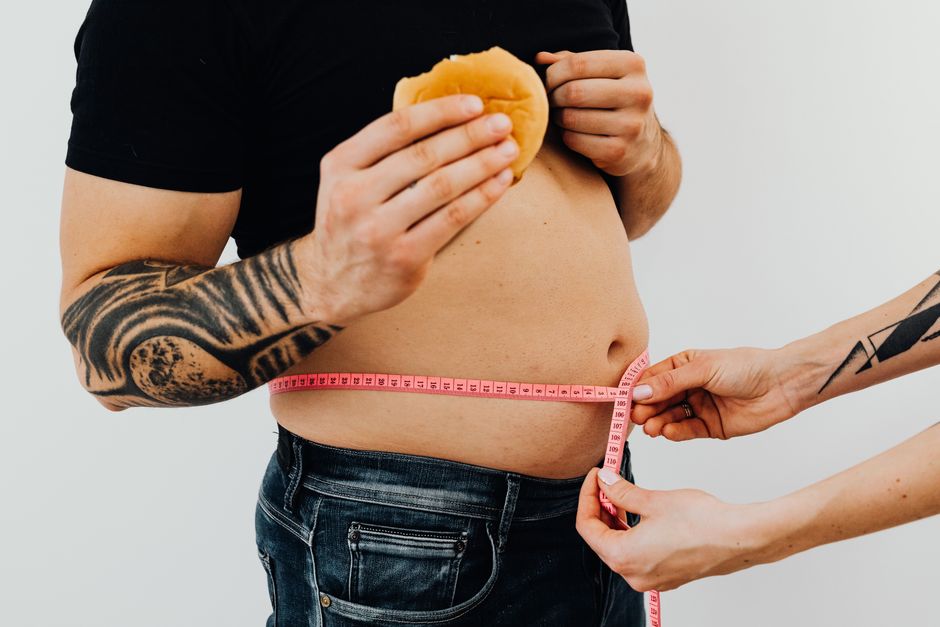
Belly fat is stubborn, but losing it is not about magic drinks or crazy diets. The honest answer is that you cannot spot-reduce fat from your belly alone. You lose fat from your whole body, and your belly shrinks when your overall body fat drops. The fastest real approach combines a calorie deficit, strength training, and enough sleep. There is no shortcut that beats those three things working together.
Why Belly Fat Is So Stubborn
Belly fat is not all the same. Subcutaneous fat sits just under the skin and feels soft. Visceral fat surrounds your organs deep inside your abdomen. Visceral fat is the more dangerous type because it is linked to heart disease, type 2 diabetes, and high blood pressure.
Visceral fat also responds differently to stress hormones. Cortisol, the stress hormone, encourages fat storage in the belly area. That is why chronic stress can keep belly fat around even when you eat well and exercise.
Age also plays a role. Hormone changes, especially during menopause for women and declining testosterone for men, shift where fat is stored. This makes belly fat more common as you get older, even if your weight stays the same.
What Actually Works To Lose Belly Fat Fast
The fastest way to lose belly fat is to create a consistent calorie deficit. That means eating fewer calories than your body burns each day. When your body needs more energy than food provides, it pulls from stored fat everywhere, including your belly.
Protein is your strongest ally here. High-protein meals keep you full longer and preserve muscle while you lose fat. Muscle matters because it burns more calories at rest than fat does. Losing muscle along with fat slows your metabolism and makes weight regain more likely.
Strength training is essential, not optional. Lifting weights two to three times per week builds and maintains muscle. More muscle means a higher resting metabolism. It also changes how your body looks as fat comes off, giving you a firmer midsection.
Cardiovascular exercise helps create the calorie deficit. Walking, running, cycling, or swimming all work. The best cardio is the one you will actually do consistently. High-intensity interval training, or HIIT, can be time-efficient, but steady moderate cardio works just as well for fat loss.
Foods That Help And Foods That Hurt
No single food burns belly fat. But some foods make it easier to stay in a calorie deficit, and others make it much harder.
Foods that help:
- Lean proteins like chicken, fish, eggs, and Greek yogurt
- Vegetables, especially leafy greens and cruciferous vegetables
- Whole fruits, particularly berries and apples
- Beans and legumes
- Whole grains like oats, quinoa, and brown rice
- Nuts and seeds in moderate portions
Foods that work against you:
- Sugary drinks, including soda, sweetened coffee, and fruit juice
- Refined grains like white bread and white pasta
- Fried foods
- Alcohol, especially beer and sugary cocktails
- Highly processed snacks and desserts
Sugary drinks are the fastest way to add calories without feeling full. Liquid calories do not trigger the same fullness signals as solid food. Cutting out sugary drinks alone can create a meaningful calorie deficit for many people.
Alcohol is a double problem. It adds calories, and it lowers your inhibitions about food choices. Drinking also disrupts sleep, which makes hunger hormones worse the next day.





How Fast Can You Realistically Lose Belly Fat
A safe and sustainable rate is 1 to 2 pounds per week. Some of that will be belly fat, but not all of it. Fat loss happens throughout your body, and genetics determine where you lose it first.
You may notice changes in your clothes before the scale moves. Muscle weighs more than fat by volume. If you are strength training, you might lose inches while the scale stays steady. That is progress, not a plateau.
Expect visible belly changes in 4 to 8 weeks if you stay consistent. Early on, you may lose water weight quickly, which makes the scale drop fast in the first week or two. After that, fat loss slows to the steady 1 to 2 pound weekly pace.
No diet can safely accelerate this beyond a certain point. Very low-calorie diets cause muscle loss and metabolic slowdown. Crash diets often lead to rapid regain once normal eating resumes.
Sleep And Stress: The Overlooked Factors
Sleep deprivation directly affects belly fat. Poor sleep increases ghrelin, the hunger hormone, and decreases leptin, the fullness hormone. You feel hungrier and less satisfied after meals.
Sleep deprivation also raises cortisol. Higher cortisol encourages fat storage in the belly. Research consistently shows that people who sleep less than 7 hours per night carry more visceral fat.
Chronic stress has the same effect. When stress is constant, cortisol stays elevated, and belly fat storage increases. Stress management is not a soft wellness suggestion. It is a biological factor in where your body stores fat.
Practical steps include aiming for 7 to 9 hours of sleep, keeping a consistent sleep schedule, and finding stress relief that works for you. Walking, deep breathing, or simply taking breaks during the day all help lower cortisol.
What Does Not Work: Myths To Ignore
Spot reduction is a myth. Doing hundreds of crunches will strengthen your abdominal muscles, but it will not remove fat from your belly. Fat loss is systemic, not local.
Detox teas and cleanse products do not remove fat. They cause water loss and bowel movements, which temporarily drops the scale. The weight returns as soon as you hydrate and eat normally. No clinical evidence confirms these products reduce body fat.
Fat-burning supplements are largely unproven. Some contain caffeine, which slightly increases calorie burn, but the effect is small. None of them target belly fat specifically. The FDA does not evaluate these products for safety or effectiveness before they reach the market.
Waist trainers and compression garments do not reduce fat. They temporarily reshape your midsection while worn. The effect disappears when you take them off.
Crash diets work in the short term but fail long term. Severe calorie restriction triggers muscle loss and a drop in metabolic rate. Most people regain the weight within a year.
How To Get Rid Of Fat On Belly Fast: A Practical Plan
Start with your current habits, not a perfect plan. The most effective approach is one you can maintain for months, not weeks.
A realistic daily structure looks like this:
- Eat protein at every meal. Aim for a palm-sized portion of lean protein each time you eat.
- Fill half your plate with vegetables at lunch and dinner.
- Replace sugary drinks with water, unsweetened tea, or black coffee.
- Walk 8,000 to 10,000 steps per day if you are currently sedentary.
- Lift weights two to three times per week. Focus on compound movements like squats, deadlifts, push-ups, and rows.
- Add cardio two to three times per week. This can be brisk walking, running, cycling, or swimming.
- Sleep 7 to 9 hours per night.
Track your food for at least a few weeks. Most people underestimate what they eat by a significant margin. A food diary or app gives you accurate data about your calorie intake.
Weigh yourself once per week at the same time of day. Daily weigh-ins show normal water fluctuations that create unnecessary stress. A weekly trend over 4 to 6 weeks tells you whether your plan is working.
If the scale does not move after three weeks, reduce your portions slightly or add more daily steps. Small adjustments beat drastic changes.
When To See A Doctor
Belly fat can be a sign of an underlying medical condition. If you are gaining weight around your midsection despite eating well and exercising, talk to your doctor.
Conditions like polycystic ovary syndrome, Cushing’s syndrome, and insulin resistance can cause belly fat accumulation. Certain medications, including some antidepressants and steroids, also contribute to weight gain.
Your doctor can check your blood sugar, cholesterol, and other metabolic markers. Waist measurement is a useful screening tool. A waist circumference above 35 inches for women or 40 inches for men indicates higher health risk, regardless of BMI.
Medical supervision is especially important if you have diabetes, heart disease, or take medication for a chronic condition. Rapid weight loss can affect medication dosing and blood sugar control.
Frequently Asked Questions
How long does it take to lose belly fat?
Visible changes typically appear in 4 to 8 weeks with consistent calorie deficit and exercise. Safe fat loss is 1 to 2 pounds per week, and some of that will come from your belly.
Can you target belly fat with specific exercises?
No, spot reduction does not work. Crunches and ab exercises strengthen muscles but do not remove fat from the belly specifically. Fat loss happens throughout your whole body.
Do detox teas help lose belly fat?
No. Detox teas cause water loss and temporary scale drops, not fat loss. No clinical evidence confirms these products reduce body fat, and the weight returns quickly.
How much sleep do I need to lose belly fat?
Aim for 7 to 9 hours per night. Poor sleep raises hunger hormones and cortisol, which both encourage belly fat storage.
