
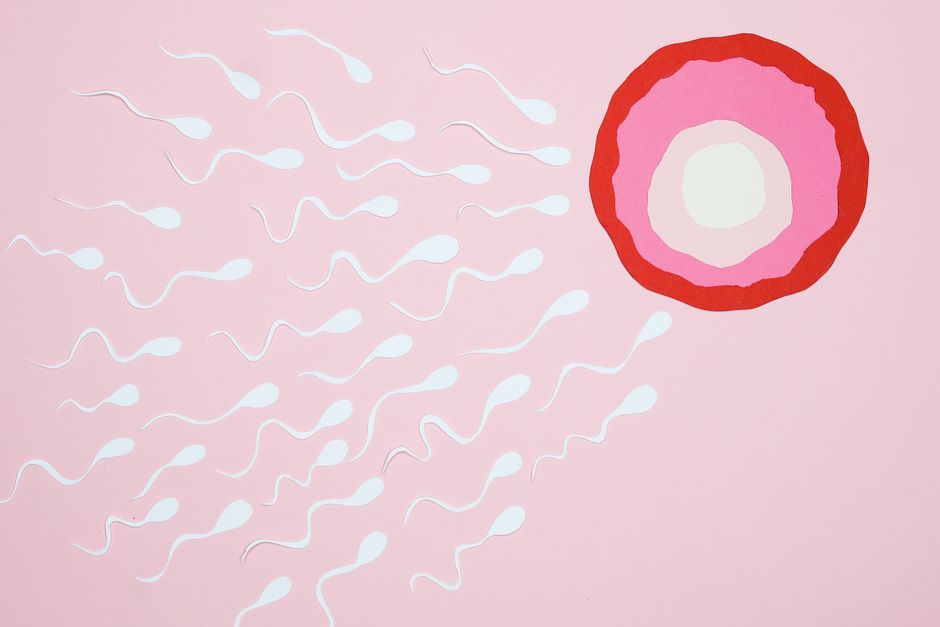
Ovulation normally happens once per cycle, so feeling like you are ovulating more often than that can be confusing and stressful. The short answer is that you are likely not releasing extra eggs. What you are probably noticing is a cluster of symptoms that feel like ovulation, or you may be experiencing ovulation pain, hormonal shifts, or even mittelschmerz. In rare cases, conditions like ovarian hyperstimulation syndrome or multiple follicular development can cause multiple eggs to mature, but true multiple ovulations in a natural cycle are uncommon. The real task is figuring out whether what you are feeling is normal cycle variation or a sign that something else needs attention.
What Does Ovulation Actually Feel Like?
Ovulation is the release of an egg from the ovary. It happens about midway through your cycle, usually around day 14 in a 28-day cycle, though that varies widely. The process itself is brief — the egg is released in a moment — but the sensations around it can last for hours or even a day or two.
Many women feel nothing at all. Others notice a dull ache or sharp twinge on one side of the lower belly. This is called mittelschmerz, a German word meaning “middle pain.” It happens when the follicle stretches and ruptures to release the egg. A little fluid and blood can irritate the abdominal lining, which causes the pain. This is normal and not dangerous.
You might also notice changes in cervical mucus. Around ovulation, it becomes clear, stretchy, and slippery — often compared to raw egg whites. Some women track this to predict fertility. Basal body temperature also rises slightly after ovulation and stays elevated until your period starts.
If you are noticing these signs more intensely or more often than usual, it may feel like you are ovulating constantly. But the sensations themselves are not proof that an egg was released each time.
Why Do I Feel Like I Am Ovulating So Often?
The most common reason women feel like they are ovulating repeatedly is that they are feeling ovulation-like pain or symptoms at other points in the cycle. This is not actual ovulation. Several things can mimic it.
Hormonal fluctuations are a top suspect. Estrogen levels rise before ovulation and can cause breast tenderness, bloating, and mood shifts. Progesterone rises after ovulation and can cause fatigue, breast soreness, and mild cramping. If you are sensitive to these shifts, you might feel “ovulation symptoms” twice in one cycle — once before ovulation and once after.
Mittelschmerz can also occur in cycles where no egg is released. The follicle can grow and stretch the ovary even if it does not rupture. This is called an anovulatory cycle, and it can still produce pain and mucus changes that feel like ovulation.
Irritable bowel syndrome or other digestive issues can cause lower abdominal pain that is easy to mistake for ovulation. The ovaries sit near the bowel, and gas or cramping can feel like it is coming from the reproductive organs.
Pelvic floor muscle tension or spasms can also cause twinges in the lower belly that feel sharp and brief, similar to ovulation pain.
If you are tracking symptoms closely, you may simply be noticing normal cycle events that were always there but went unnoticed before. Paying more attention to your body can make normal sensations feel more frequent or intense.
Can You Actually Ovulate More Than Once Per Cycle?
True multiple ovulations in a single natural cycle are rare but documented. Research has shown that some women can release two eggs in one cycle, usually within 24 hours of each other. This is how fraternal twins happen when both eggs are fertilized. But this is not something you would feel as repeated ovulation. The events happen close together, and the symptoms would blend into one ovulatory window.
What is more common is multiple follicular development. This means several follicles grow and mature in the ovary, but only one (or sometimes two) actually releases an egg. The others may cause pressure or pain as they grow, even if they never rupture. This can make it feel like ovulation is happening repeatedly over several days.
This happens more often in women taking fertility medications like clomiphene or gonadotropins. These drugs stimulate the ovaries to develop multiple follicles, which increases the chance of releasing more than one egg. If you are on fertility treatment, feeling like you are ovulating more than once is not your imagination — your ovaries are working harder than usual.
In natural cycles, however, the body usually selects one dominant follicle. The others shrink and are reabsorbed. You would not feel each of those as a separate ovulation.




When Ovulation Pain Is Actually Something Else
Sometimes what feels like ovulation is not related to the ovaries at all. Several conditions can cause pelvic pain that is easy to confuse with ovulation.
Ovarian cysts can cause sharp or dull pain on one side. They are common and usually harmless, but a large cyst or one that ruptures can cause significant pain. If you have a cyst that is growing, you might feel pressure or aching for days — longer than typical ovulation pain.
Endometriosis can cause pelvic pain throughout the cycle, including around ovulation. The pain is often more severe and lasts longer than normal mittelschmerz. It can also cause pain with sex, painful periods, and heavy bleeding.
Pelvic inflammatory disease is an infection of the reproductive organs. It can cause pelvic pain, abnormal discharge, fever, and pain during sex. This is a serious condition that needs medical treatment.
Ectopic pregnancy is a medical emergency. If a fertilized egg implants outside the uterus, usually in a fallopian tube, it can cause sharp pelvic pain, vaginal bleeding, and shoulder pain. If you have these symptoms and a positive pregnancy test, seek emergency care immediately.
Appendicitis can start as pain near the belly button that moves to the lower right side. It can be mistaken for ovulation pain, especially in the early stages.
The key difference is timing and severity. Ovulation pain is brief, mild to moderate, and happens mid-cycle. Pain that is severe, lasts more than a few days, or happens at other times of the month deserves a medical evaluation.
What Can You Do About Frequent Ovulation Symptoms?
If you are not in pain and your cycles are regular, frequent ovulation-like sensations are usually not a problem. But there are steps you can take to reduce discomfort and figure out what is happening.
Track your symptoms for at least two to three cycles. Note the day of your cycle, the type of pain, how long it lasts, and any other symptoms like mucus changes or breast tenderness. This pattern can help you and your doctor see whether what you are feeling is truly tied to ovulation or happening at other times.
Over-the-counter pain relievers like ibuprofen or acetaminophen can help with mittelschmerz. Take them as directed on the label. If you are trying to conceive, talk to your doctor before using pain medication around ovulation, as some research suggests certain pain relievers might interfere with ovulation or implantation.
Heat therapy can ease cramping. A heating pad on the lower belly for 15 to 20 minutes can relax muscles and reduce discomfort.
Stay hydrated and eat a balanced diet. Bloating and digestive discomfort can make pelvic sensations feel worse. Drinking enough water and eating fiber-rich foods can help reduce digestive causes of lower abdominal pain.
Stress management matters more than you might think. Stress can alter hormone levels and cycle timing. It can also make you more aware of bodily sensations. Regular exercise, adequate sleep, and relaxation techniques can help regulate your cycle and reduce your perception of pain.
When Should You See a Doctor?
Most ovulation pain is normal and does not require medical attention. But some symptoms warrant a visit to your healthcare provider.
See a doctor if you have:
- Severe pain that interferes with daily activities
- Pain that lasts longer than two to three days
- Pain accompanied by fever, nausea, or vomiting
- Heavy or unusual vaginal bleeding
- Pain during sex or urination
- Irregular cycles or cycles shorter than 21 days or longer than 35 days
- Difficulty getting pregnant after a year of trying (or six months if you are over 35)
Your doctor may do a pelvic exam, ultrasound, or blood tests to check hormone levels. These can help determine whether you are actually ovulating and whether any underlying conditions are causing your symptoms.
If you are taking fertility medications and experience sudden severe pelvic pain, bloating, or rapid weight gain, contact your doctor immediately. These can be signs of ovarian hyperstimulation syndrome, a serious complication of fertility treatment.
Can Birth Control Help Reduce Ovulation Symptoms?
Combined hormonal birth control — the pill, patch, or ring — stops ovulation entirely. If your symptoms are bothersome and you are not trying to conceive, this can be an effective way to eliminate ovulation pain and the hormonal shifts that cause it.
Progestin-only methods like the mini-pill, implant, or hormonal IUD do not always stop ovulation. They work primarily by thickening cervical mucus and thinning the uterine lining. You may still ovulate, so you may still have some ovulatory symptoms.
Non-hormonal options like condoms or copper IUDs do not affect ovulation at all. If your symptoms are related to ovulation, these will not help.
Talk to your doctor about whether hormonal birth control is a good option for you. It can be especially helpful if your symptoms are linked to endometriosis or other hormone-sensitive conditions.
Does Frequent Ovulation Affect Fertility?
Feeling like you are ovulating often does not mean you are more fertile. In fact, if what you are feeling is not true ovulation, it could mean the opposite.
Regular ovulation is one marker of fertility, but it is not the only one. Egg quality, sperm health, and the condition of the fallopian tubes and uterus all matter. If you are ovulating normally but not getting pregnant, other factors may be at play.
If you are tracking symptoms to time intercourse for conception, consider using ovulation predictor kits or tracking basal body temperature. These methods are more reliable than symptom tracking alone. They detect the surge in luteinizing hormone that happens 24 to 36 hours before ovulation, giving you a more accurate window.
If you have been trying to conceive for over a year without success, or over six months if you are 35 or older, see a fertility specialist. They can run tests to confirm ovulation and evaluate other aspects of fertility.
Frequently Asked Questions
Can you ovulate twice in one month?
Yes, but it is rare and the two ovulations happen within about 24 hours of each other, not days apart. This can lead to fraternal twins if both eggs are fertilized.
Why do I feel ovulation pain but no period?
You can have ovulation-like pain without a period if you are having anovulatory cycles, where a follicle grows but no egg is released. It can also happen with hormonal imbalances, pregnancy, or conditions like polycystic ovary syndrome.
Is it normal to feel ovulation pain every month?
Yes, some women feel mittelschmerz every cycle and that is normal. The pain is usually mild, brief, and on one side of the lower belly.
How long does ovulation pain last?
Ovulation pain typically lasts from a few minutes to a few hours, though some women feel it for up to a day or two. Pain lasting longer than that should be evaluated by a doctor.
