
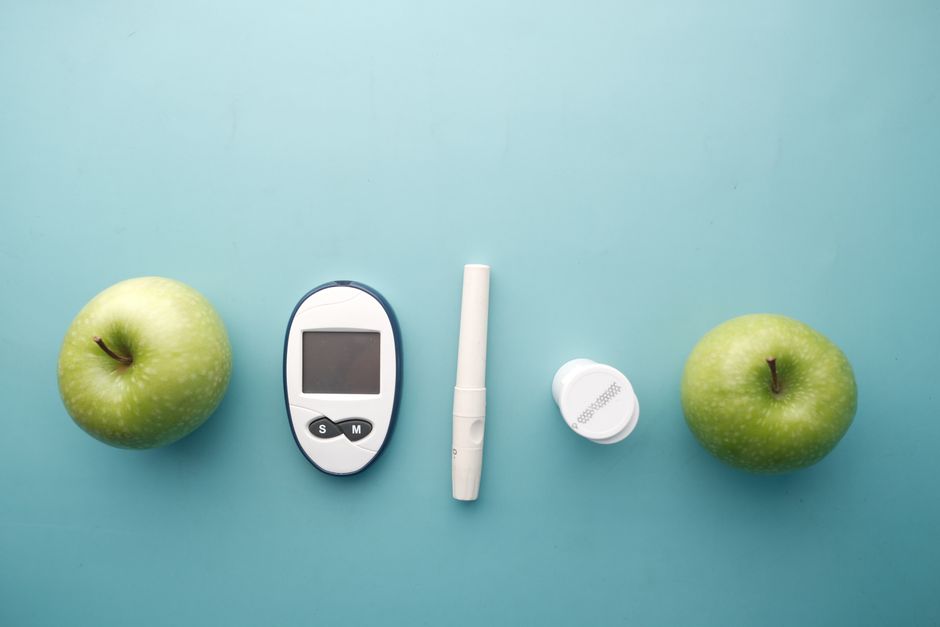
A medium apple contains about 19 grams of sugar. That is the honest, straightforward answer. But the full picture is more useful than that single number. The sugar in an apple is not the same as the sugar in a candy bar, and understanding why matters for your health. This guide breaks down the sugar content in apples, how it compares to other foods, and what it means for your body.
How Much Sugar Is In An Apple?
A medium apple, about the size of a tennis ball and weighing roughly 182 grams, contains approximately 19 grams of sugar. This number comes from the USDA FoodData Central, the standard reference for nutritional information in the United States.
The sugar content varies by size. A small apple has about 15 grams of sugar. A large apple can have 25 grams or more. The variety of apple also makes a difference, though not as much as size does. Most common varieties — Gala, Fuji, Honeycrisp, and Granny Smith — fall within a similar range.
Here is a quick breakdown of sugar content by apple size:
- Small apple (about 149 grams): roughly 15 grams of sugar
- Medium apple (about 182 grams): roughly 19 grams of sugar
- Large apple (about 223 grams): roughly 25 grams of sugar
These figures are for a whole raw apple with the skin on. Peeled apples have slightly less sugar per serving simply because you are eating less total fruit.
Is The Sugar In An Apple Different From Added Sugar?
Yes. This distinction matters more than any single number.
Apples contain naturally occurring sugar. The sugar in an apple is the same chemical compounds — fructose, glucose, and sucrose — that you find in table sugar. But they arrive in a completely different package.
An apple delivers its sugar alongside fiber, water, and a range of vitamins and plant compounds. A medium apple contains about 4 grams of fiber. Fiber slows digestion. It blunts the rise in blood sugar after you eat. It also helps you feel full.
Added sugar — the kind in soda, candy, and most processed foods — arrives without fiber. It hits your bloodstream quickly. Your body processes it differently because there is nothing to slow it down.
This is why nutrition guidelines treat them separately. The American Heart Association recommends limiting added sugar to no more than 25 to 36 grams per day for most adults. That recommendation does not apply to the natural sugar in whole fruit. Apples are not the problem that added sugar is.
How Does An Apple Affect Blood Sugar?
An apple will raise your blood sugar. That is normal and expected. The question is how much and how fast.
Apples have a glycemic index of about 36. The glycemic index measures how quickly a food raises blood sugar compared to pure glucose, which scores 100. Anything under 55 is considered low. Apples are firmly in the low range.
The fiber in the apple is the main reason for this. Fiber slows the breakdown of carbohydrates in your digestive tract. Sugar enters your bloodstream gradually rather than all at once.
The glycemic load is another useful measure. It accounts for both the glycemic index and the amount of carbohydrate in a serving. A medium apple has a glycemic load of about 6. That is low. For comparison, a serving of white rice has a glycemic load of about 33.
For most people, including those with type 2 diabetes, a whole apple is a reasonable food choice. It provides sweetness with a slower blood sugar response than most processed sweets. That said, individual responses vary. If you have diabetes, checking your blood sugar after eating an apple will tell you how your body specifically responds.





Apple Juice vs. Whole Apple: A Major Difference
The sugar content changes dramatically when you process the apple.
A cup of unsweetened apple juice contains about 24 grams of sugar. That is more than a medium whole apple. But the bigger difference is what is missing. Apple juice has almost no fiber. The juicing process strips it away.
Without fiber, the sugar in apple juice behaves much more like added sugar. It is absorbed quickly. It produces a faster blood sugar spike. It does not provide the same fullness signal.
This is why health organizations consistently recommend whole fruit over fruit juice. A whole apple is a better choice than apple juice, even when the juice has no added sugar. The fiber changes everything.
Dried apples concentrate sugar even further. A cup of dried apple rings contains roughly 50 grams of sugar. The water is removed, so you get more sugar per bite. Portion control becomes harder with dried fruit because it is easy to eat more than you realize.
How Does An Apple Compare To Other Fruits?
Apples sit in the middle of the fruit sugar range. They are not the lowest-sugar fruit, and they are not the highest.
Here is how a medium apple compares to other common fruits:
| Fruit | Serving Size | Sugar Content |
|---|---|---|
| Strawberries | 1 cup whole | About 7 grams |
| Blueberries | 1 cup | About 15 grams |
| Apple | 1 medium | About 19 grams |
| Banana | 1 medium | About 14 grams |
| Grapes | 1 cup | About 23 grams |
| Mango | 1 cup sliced | About 23 grams |
These numbers are approximate. Exact values vary by variety and ripeness. But the pattern is clear: apples are not unusually high in sugar compared to other fruits.
Berries are the lowest-sugar fruits. If you are specifically watching sugar intake, strawberries and raspberries are excellent choices. But apples remain a reasonable option for most people.
Should You Avoid Apples On A Low-Sugar Diet?
It depends on what kind of low-sugar diet you are following.
If you are limiting added sugar — the most common and most evidence-based approach — apples are fine. They contain no added sugar. The natural sugar they contain comes with fiber and nutrients.
If you are following a very low-carbohydrate diet like keto, apples may not fit. A medium apple contains about 25 grams of total carbohydrates. A standard keto diet typically limits total carbs to 20 to 50 grams per day. One apple could use up your entire carbohydrate allowance.
If you are on a low-FODMAP diet for digestive issues, apples are a known trigger. They contain sorbitol and excess fructose, which can cause bloating and gas in sensitive individuals. This is not about sugar content in the calorie sense. It is about how your digestive system handles specific types of carbohydrates.
For most healthy adults, there is no reason to avoid apples. The sugar they contain is not the same as the sugar in processed foods. The fiber, vitamin C, and plant compounds they provide are genuine benefits.
Does Apple Variety Matter For Sugar Content?
Variety makes a small difference, but not as much as people often assume.
Granny Smith apples are frequently cited as the lowest-sugar option. They do tend to be slightly lower in sugar than sweeter varieties like Fuji or Honeycrisp. But the difference is a few grams at most.
Taste is not a reliable guide to sugar content. A tart apple may still contain a similar amount of sugar to a sweet one. The tartness comes from organic acids, not from having less sugar.
If you are choosing apples based on sugar content, size matters more than variety. A small Fuji apple has less sugar than a large Granny Smith. Choose smaller apples if you want to limit sugar intake.
Frequently Asked Questions
Is the sugar in an apple bad for you?
No, not for most people. The sugar in a whole apple comes with fiber, which slows digestion and blunts blood sugar spikes.
Added sugar in processed foods is the type linked to health problems, not the naturally occurring sugar in whole fruit.
Can I eat an apple if I have diabetes?
Yes, most people with diabetes can eat whole apples in moderation. Apples have a low glycemic index and a low glycemic load.
Monitor your blood sugar response and account for the carbohydrates in your meal plan.
How many apples can I eat per day?
There is no standard limit, but one to two apples per day is reasonable for most people. Eating many apples daily adds up in sugar and calories.
Variety in fruit intake is generally better than eating the same fruit every day.
Is apple juice as healthy as a whole apple?
No. Apple juice has almost no fiber, so its sugar is absorbed much faster.
Whole apples are consistently recommended over juice by health organizations.
