
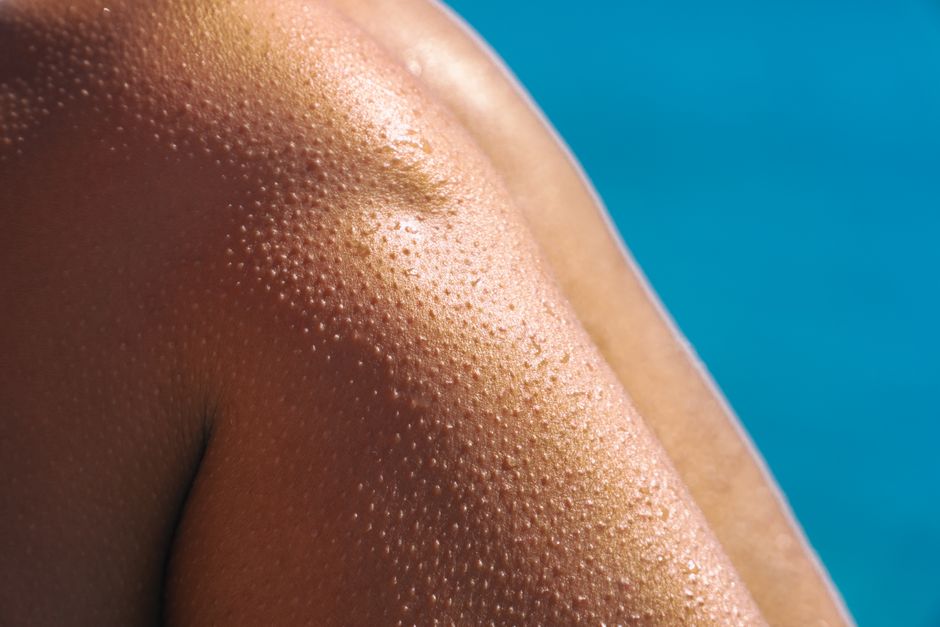
Itching and bumps on your skin are almost always caused by one of a few common conditions. The most likely culprits are allergic reactions, eczema, contact dermatitis, hives, insect bites, or a bacterial infection like folliculitis. Each of these has a different cause and needs a different approach to feel better. Knowing which one you have is the first step to getting relief.
What Is the Most Common Reason for Itchy Bumps?
The most common reason for itchy bumps is contact dermatitis. This happens when your skin touches something that irritates it or causes an allergic reaction. Poison ivy, nickel in jewelry, fragrances in lotions, and latex are frequent triggers.
Research published in the journal Dermatitis shows that contact dermatitis affects about 20% of people at some point in their lives. The rash usually shows up within 24 to 48 hours after contact. It looks like red, itchy bumps that may ooze or crust over.
Another very common cause is eczema, also called atopic dermatitis. According to the National Eczema Association, over 31 million Americans have some form of eczema. It often starts in childhood but can appear at any age. Eczema causes dry, scaly patches that itch intensely. The bumps may be small and raised or larger and rough.
Hives are also extremely common. About 20% of people will get hives at least once. They appear as raised, red welts that come and go quickly. Hives are usually caused by an allergic reaction to food, medication, or an infection. They can also appear for no clear reason at all.
How Can You Tell If It Is an Allergic Reaction or Something Else?
An allergic reaction usually comes on fast. You might notice itching and bumps within minutes or hours of being exposed to something. Common triggers include peanuts, shellfish, penicillin, bee stings, and latex. The bumps often look like hives — raised, pale red welts that can change shape and move around your body.
Non-allergic causes tend to develop more slowly. Eczema patches build up over days or weeks. Contact dermatitis from poison ivy takes one to two days to appear. Folliculitis, which is an infection of the hair follicles, shows up as small red bumps around hair shafts and may take several days to develop after shaving or wearing tight clothing.
One key difference is that allergic reactions often involve other symptoms. You might also have swelling of the lips, tongue, or throat, trouble breathing, or a drop in blood pressure. These are signs of a serious allergic reaction called anaphylaxis and require emergency medical care. If you only have itching and bumps with no other symptoms, it is less likely to be a severe allergy.
What Does the Evidence Say About Treating Itchy Bumps at Home?
For mild cases, the evidence supports a few simple approaches. The American Academy of Dermatology recommends cold compresses for immediate itch relief. Applying a clean, cool, wet cloth to the area for 15 to 20 minutes can calm the itch without medication.
Over-the-counter hydrocortisone cream (1%) is effective for contact dermatitis and mild eczema. Research shows it reduces inflammation and itching within a few days. Use it sparingly on small areas. Do not use it on the face or for more than seven days without a doctor’s advice.
Oral antihistamines like cetirizine (Zyrtec) or loratadine (Claritin) help with hives and allergic reactions. A 2017 review in American Family Physician found that second-generation antihistamines work well and cause less drowsiness than older ones like diphenhydramine (Benadryl). For nighttime itching, a sedating antihistamine may help you sleep.
Moisturizers are surprisingly effective for eczema. A 2018 study in JAMA Dermatology found that regular use of fragrance-free moisturizers reduced eczema flare-ups by 30% compared to no moisturizer. Thicker creams and ointments work better than lotions.
| Condition | First-Line Treatment | What to Avoid |
|---|---|---|
| Contact dermatitis | Cold compresses, hydrocortisone cream | Scratching, continued exposure to trigger |
| Eczema | Fragrance-free moisturizer, hydrocortisone cream | Hot showers, harsh soaps, wool clothing |
| Hives | Oral antihistamine (cetirizine or loratadine) | Alcohol, tight clothing, heat |
| Insect bites | Cold compress, hydrocortisone cream | Scratching, applying undiluted essential oils |
| Folliculitis | Warm compresses, antibacterial wash | Shaving until healed, tight clothing |





When Should You See a Doctor for Itchy Bumps?
You should see a doctor if the itching and bumps do not improve after two weeks of home care. Also seek medical help if the rash spreads rapidly, becomes painful, or shows signs of infection like yellow crusting, warmth, or red streaks.
According to the American Academy of Dermatology, you should go to the emergency room if you have trouble breathing, swelling of the face or throat, dizziness, or a fast heartbeat. These are signs of anaphylaxis and need immediate treatment.
If you have a fever along with the rash, it could be a sign of an infection like shingles or cellulitis. Shingles causes a painful, blistering rash on one side of the body. Cellulitis is a bacterial skin infection that makes the skin red, swollen, and hot. Both need prescription treatment.
People with a history of severe allergic reactions should carry an epinephrine auto-injector (EpiPen) and know how to use it. If you have had anaphylaxis before, do not wait to see if symptoms get better on their own.
Why Am I Itchy And Have Bumps Common Causes That Are Often Overlooked?
Some causes of itching and bumps are less obvious. Scabies is a common one. It is caused by tiny mites that burrow into the skin. The itching is often worse at night. The bumps look like small red lines or dots, especially between fingers, on wrists, and around the waist. Scabies spreads through close skin contact and needs prescription cream to treat.
Another overlooked cause is dry skin, especially in winter. When the air is dry, your skin loses moisture and becomes itchy. The bumps are usually small, rough, and appear on the arms, legs, and torso. Using a humidifier and applying moisturizer right after bathing can help.
Stress is a real trigger for some people. Research shows that stress can worsen eczema, hives, and psoriasis. The exact mechanism is not fully understood, but stress hormones like cortisol affect the immune system and skin barrier. If your itching and bumps appear during stressful periods, managing stress may help reduce flare-ups.
Certain medications can cause itching and bumps as a side effect. Opioids, aspirin, and some blood pressure drugs are known triggers. If you started a new medication recently and developed a rash, talk to your doctor. Do not stop taking prescribed medication without medical advice.
What Should You Avoid When You Have Itchy Bumps?
Scratching is the number one thing to avoid. It damages the skin barrier and can lead to infection. The more you scratch, the more histamine your skin releases, which makes you itch more. This is called the itch-scratch cycle. Keep your nails short and consider wearing gloves at night if you scratch in your sleep.
Hot water makes itching worse for most skin conditions. Take lukewarm showers or baths instead. Hot water strips natural oils from your skin, making eczema and dry skin worse. Limit baths to 10 minutes.
Harsh soaps and body washes can irritate already sensitive skin. Look for products labeled “fragrance-free” and “for sensitive skin.” Avoid antibacterial soaps unless a doctor recommends them. They are no better than regular soap for most rashes and can be more drying.
Do not apply home remedies like vinegar, bleach, or undiluted essential oils directly to itchy bumps. These can cause chemical burns or allergic reactions. A 2020 study in Contact Dermatitis found that essential oils like tea tree and lavender are common causes of allergic contact dermatitis when used undiluted.
Frequently Asked Questions
Can stress cause itchy bumps on skin?
Yes, stress can trigger or worsen hives, eczema, and other skin conditions. The exact reason is not fully understood, but stress hormones affect the immune system and skin barrier.
How long do itchy bumps from an allergic reaction last?
Hives from an allergic reaction usually last a few hours to a day. Contact dermatitis from poison ivy or nickel can last two to four weeks without treatment.
Is it safe to use Benadryl cream for itchy bumps?
Benadryl cream (diphenhydramine) is not recommended for widespread use because it can cause allergic reactions in some people. Oral antihistamines are generally safer and more effective.
Can itchy bumps be a sign of something serious?
Rarely, itchy bumps can be a sign of liver disease, kidney failure, or certain cancers. If you have persistent itching with no rash, weight loss, or fatigue, see a doctor for evaluation.
