
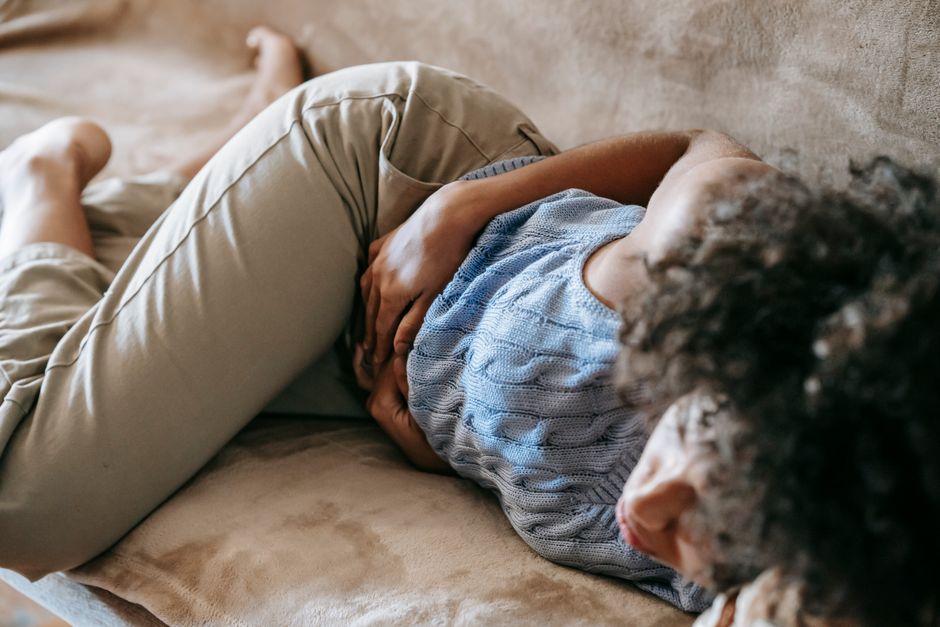
Cramps in your ribs usually come from the muscles and joints of the chest wall, not from your internal organs. The most common causes are muscle strain from coughing or exercise, costochondritis (inflammation where rib cartilage meets the breastbone), and minor injuries to the rib cage. Most cases are harmless and settle on their own within days to a few weeks.
That said, rib-area pain has a few serious causes that need urgent care. The sections below explain what is likely, what is not, and when to stop guessing and get checked.
Why Am I Getting Cramps In My Ribs?
Rib cramps are most often muscular. The chest wall is built from the ribs, the muscles between them (intercostal muscles), the diaphragm below, and a web of connective tissue. Any of these can cramp, strain, or become inflamed.
When a muscle in the chest wall spasms, you feel it as a sharp, tight, or grabbing pain in a specific spot. It often gets worse when you breathe deeply, twist, or press on the area. That pattern — pain that changes with movement or touch — is a strong hint the source is the wall of your chest, not your heart or lungs.
There is a detail many people miss. The intercostal muscles work every time you breathe, all day and all night. They are some of the hardest-working muscles in the body. That is why a bout of heavy coughing or a few days of intense exercise can leave them sore and prone to cramping, even without any obvious injury.
What Causes Rib Cramps on the Left or Right Side?
Most causes can affect either side, and the location alone does not tell you much. The pattern of the pain matters more than which side it is on.
Muscle strain and overuse
This is the most common cause. Heavy coughing from a cold or flu, hard exercise, lifting something awkwardly, or a sudden twist can strain the muscles between or around your ribs. The pain is usually a dull ache or a sharp catch that worsens with movement, deep breaths, or pressure on the spot.
Costochondritis
Costochondritis is inflammation of the cartilage that connects your ribs to your breastbone. It causes pain and tenderness right at the front of the chest, often on one side. The pain can feel sharp or pressing and gets worse when you breathe deeply or press on the spot. It is a common cause of chest pain in adults and is not dangerous, though it can be uncomfortable. No one knows exactly what triggers it in many cases.
Minor rib injury or bruise
A knock, a fall, or even a hard hug can bruise the tissue around a rib. A small crack in a rib is also possible, especially after a fall or in people with weaker bones. Rib fractures hurt sharply with deep breaths and usually take several weeks to heal.
Precordial catch syndrome
This is a sudden, sharp, brief pain near the heart, often on the left side. It tends to strike when you are sitting still or bending forward, and it eases within seconds to minutes. It is harmless and common in younger people, though it can happen at any age. The exact cause is not well understood.
Other causes
Less often, rib-area pain comes from nerve irritation, shingles (which causes a band of pain and later a rash), or referred pain from the spine or gallbladder. These have their own patterns and usually come with other symptoms.
How Do I Know If Rib Pain Is Serious?
Most rib cramps are not serious, but some symptoms mean you should get medical help right away. Do not wait to see if these pass.
- Chest pain or pressure that spreads to your arm, jaw, neck, or back
- Shortness of breath, especially if it is new or severe
- Pain that started after a hard fall, car accident, or blow to the chest
- Coughing up blood
- A fever with chest pain
- Pain that gets steadily worse instead of better over several days
- Swelling, redness, or warmth over a rib
Chest pain is one of the symptoms where it is always better to be checked and be fine than to wait. Heart attacks and blood clots in the lungs can both cause chest pain, and both can be mistaken for a muscle problem. If you are unsure, call for emergency help.





What Does a Rib Muscle Spasm Feel Like?
A rib muscle spasm feels like a tight, grabbing, or knot-like pain in one spot on your chest wall. It can come on suddenly and may make you catch your breath. The pain often eases when you rest and gets worse with movement, deep breathing, or pressing on the spot.
People often describe it as a “stitch” that will not go away, or as a band of tightness around one side of the rib cage. It can last seconds or linger for hours. Unlike heart pain, a muscle spasm usually gets sharper when you press on the area or twist your torso.
One useful check: if pressing firmly on the sore spot reproduces the pain, the source is more likely the chest wall than the heart or lungs. This is a general guide, not a diagnosis. It cannot rule out serious causes on its own.
How Are Rib Cramps Treated?
Most rib cramps from muscle strain or costochondritis settle with rest and simple care. The goal is to let the muscles and cartilage calm down while avoiding things that make them worse.
General measures that clinicians commonly suggest include:
- Resting from activities that trigger the pain, such as heavy lifting or intense exercise
- Applying a cold pack for the first day or two after an injury, then a warm pack for comfort
- Over-the-counter pain relievers, following the label directions
- Gentle stretching once the sharp pain has eased
- Avoiding deep coughing when possible — and treating the cough if that is what caused the strain
These measures are widely used, but the evidence that any single one speeds healing is limited. Most muscle strains and cases of costochondritis improve within days to a few weeks on their own.
If pain is severe, keeps getting worse, or does not improve after a couple of weeks, see a doctor. Rib fractures and some other causes need a proper exam and sometimes imaging. Do not assume every rib pain is a muscle problem.
When Should I See a Doctor for Rib Cramps?
See a doctor if the pain is severe, keeps you from breathing normally, or does not improve after a couple of weeks. Get urgent care if you have any of the warning signs listed above, such as shortness of breath, pain spreading to your arm or jaw, or pain after a hard fall.
Also see a doctor if you have a fever with the pain, if the pain is accompanied by a rash, or if you have a history of heart or lung problems and are unsure what is causing the pain. In those cases, a proper exam matters more than waiting it out.
For most people, rib cramps are a temporary nuisance. Knowing the warning signs is what keeps the rare serious cause from being missed.
Frequently Asked Questions
Why do I get cramps in my ribs when I breathe?
Deep breathing stretches the muscles and cartilage of the chest wall, so a strain or inflammation there will hurt more on a deep breath. This pattern is common with muscle strain and costochondritis. If breathing is also short or painful in a way that is new and severe, get medical help.
Can rib cramps be a sign of something serious?
Most rib cramps are not serious and come from the chest wall. Rarely, chest pain can be a sign of a heart attack or a blood clot in the lungs. Pain that spreads to your arm or jaw, comes with shortness of breath, or follows a hard fall needs emergency care.
How long do rib cramps usually last?
Most muscle strains and cases of costochondritis improve within days to a few weeks. Rib fractures usually take longer to heal. See a doctor if the pain is not improving after a couple of weeks or is getting worse.
What helps rib cramps go away faster?
Rest, avoiding movements that trigger the pain, and over-the-counter pain relievers are commonly used. The evidence that any single measure speeds healing is limited. Most cases settle on their own with time.
