
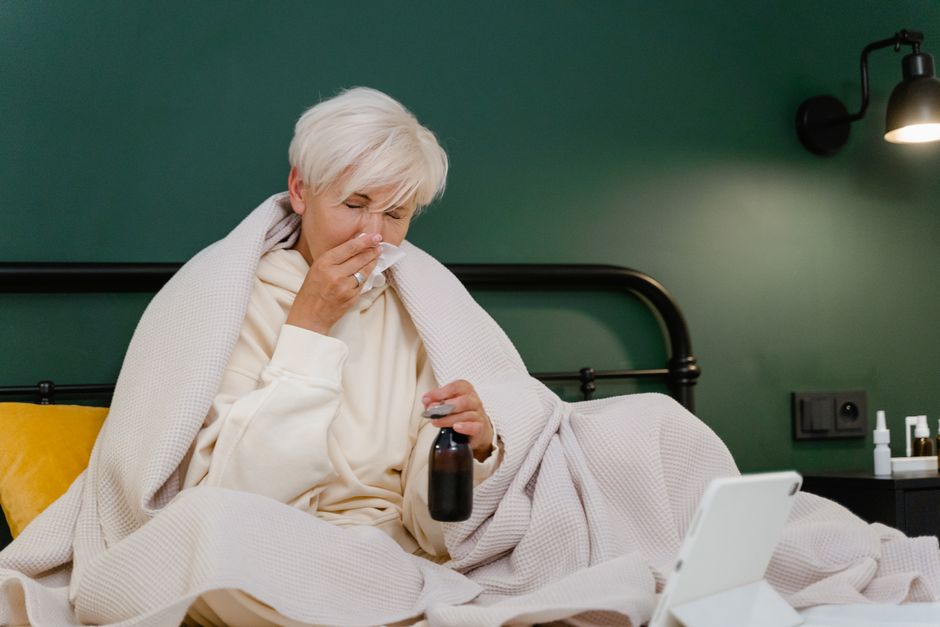
Most colds get worse before they get better. Symptoms typically build for two to three days, peak around day three to five, and then ease off. So if you are on day seven and still feeling worse, something else may be going on. The most common reason is not a second cold. It is that what started as a cold has turned into a sinus infection, an ear infection, or a chest infection. In a smaller number of cases, it was never a cold at all. It could be flu, COVID-19, or allergies that set the stage for a bacterial problem.
How Long Should a Cold Actually Last?
A cold usually runs its course in about seven to ten days. Some people still have a lingering cough or stuffy nose for up to two weeks. That is normal.
The pattern matters more than the total number of days. A typical cold follows a curve. You feel a scratchy throat first. Then sneezing, runny nose, and fatigue set in. Symptoms peak, then steadily improve. By day seven, most people are clearly on the mend even if they are not fully well.
What is not normal is a cold that keeps getting worse after day five to seven. That is a different pattern. It suggests the original viral infection either triggered a secondary bacterial infection or was never a simple cold to begin with.
There is one pattern worth knowing: the double worsening. You start to feel better around day four or five, then suddenly get worse again. This is a classic sign of a secondary bacterial infection. The virus damaged the lining of your airways or sinuses, and bacteria moved in.
Why Is My Cold Still Getting Worse After A Week?
Because the infection has likely moved beyond the original virus. A cold virus infects the lining of your nose and throat. It damages those cells. That damage creates an opening for bacteria that normally live in your nose and throat to overgrow.
This is called a secondary bacterial infection. It is the most common reason a cold gets worse instead of better after a week. The three most likely places are your sinuses, your middle ear, and your chest.
Another possibility: it was never a cold. Influenza and COVID-19 both start with cold-like symptoms. Both can be more severe and last longer. If you never got tested, you may be dealing with one of those instead.
A third possibility is that you have a chronic condition that makes colds worse. Asthma, allergies, and structural problems in the sinuses can all turn a mild cold into a prolonged illness.
What Are the Signs of a Sinus Infection?
Sinusitis is the most common complication of a cold. The sinuses are hollow spaces around your nose and eyes. When the lining swells, fluid gets trapped. Bacteria can grow in that trapped fluid.
Signs that a cold has become a sinus infection include:
- Facial pain or pressure, especially around the cheeks, forehead, or behind the eyes
- Thick yellow or green nasal discharge that does not improve
- Nasal congestion that gets worse after initially improving
- Headache that is worse when you bend forward
- Bad breath or a bad taste in your mouth
- Fever that returns after being gone
Not everyone with a sinus infection needs antibiotics. Many cases are viral and resolve on their own. But if symptoms have been worsening for more than ten days without any improvement, or if they improved and then got worse again, that pattern is more consistent with a bacterial cause. That is when clinicians often consider antibiotics.
Some clinicians recommend saline nasal rinses to help clear mucus. The evidence for this is modest but the risk is low when done with sterile or distilled water. Never use tap water directly in a nasal rinse. It can carry organisms that are dangerous to the brain.




When Does a Cold Become a Chest Infection?
A chest infection, or bronchitis, happens when the infection moves down into your airways. It can be viral or bacterial.
The main sign is a cough that gets worse or does not go away. You may also cough up mucus. The mucus may be clear, yellow, green, or even tinged with blood.
Most acute bronchitis is viral. Antibiotics do not help viral bronchitis. This is a common misconception. Even when the mucus is colored, it does not reliably mean the infection is bacterial.
What matters more is how you feel overall. A bacterial chest infection is more likely if you have:
- A fever that returns or persists
- Shortness of breath at rest or with mild activity
- Chest pain that is worse when you breathe deeply
- Coughing up blood
- Feeling much more tired than expected
Pneumonia is a more serious lung infection. It can follow a cold. Signs include high fever, shaking chills, rapid breathing, and significant shortness of breath. Pneumonia needs medical evaluation. It is not something to manage at home if you are struggling to breathe.
Could It Be Something Other Than a Cold?
Yes. Several conditions look like a cold but behave differently.
Influenza usually hits fast. You may feel fine in the morning and terrible by evening. Fever, body aches, and exhaustion are more common with flu than with a cold.
COVID-19 can look exactly like a cold in some people. It can also cause symptoms that last longer or come in waves. Testing is the only way to know.
Allergies cause sneezing, runny nose, and itchy eyes. They do not cause fever. They can last for weeks if you keep being exposed to the allergen. Allergies can also make you more prone to sinus infections because of ongoing swelling.
Strep throat causes a sore throat without the usual cold symptoms of sneezing and runny nose. It is more common in children but can happen in adults. It needs a test to diagnose.
What Should You Do If You Are Getting Worse?
If you are on day seven or later and still getting worse, it is time to check in with a clinician. This is especially true if you have a fever, facial pain, shortness of breath, or a cough that is getting worse.
There is no home remedy that will treat a bacterial infection. Rest, fluids, and over-the-counter symptom relief can help you feel better, but they will not resolve a bacterial problem.
Antibiotics only help bacterial infections. They do not work on viruses. Taking them when you do not need them can cause side effects and contribute to antibiotic resistance.
Watch for these warning signs that need urgent care:
- Difficulty breathing or shortness of breath at rest
- Chest pain or pressure
- Confusion or trouble staying awake
- High fever that does not come down with medication
- Blue lips or face
- Severe headache with stiff neck
These are not cold symptoms. They are signs of a more serious problem.
How Can You Tell If It Is Viral or Bacterial?
You often cannot tell just by how you feel. That is the honest answer. Many viral and bacterial respiratory infections look the same in the first week.
Doctors use patterns and sometimes tests to tell the difference. The key pattern is time. Viral colds peak and improve. Bacterial infections tend to keep getting worse or improve and then worsen again.
Fever that goes away and then comes back is another clue. So is mucus that changes from clear to thick and colored. But neither of these is definitive on its own.
If you have been sick for more than ten days without any improvement, or if you got better and then got worse, see a clinician. They can examine you and decide if testing or treatment is needed.
Does a Cold Ever Just Take Longer to Go Away?
Yes. Some colds last longer than others. The average is seven to ten days, but a cough can linger for two to three weeks after other symptoms are gone.
The difference is direction. A cold that is slowly improving is normal even if it is taking a while. A cold that is getting worse after a week is not normal. That is the key distinction.
If you are unsure whether you are improving or getting worse, keep track of your symptoms. Write down your temperature, how you feel each morning, and whether your cough or congestion is better or worse than the day before. This pattern is more useful than how you feel in any single moment.
Frequently Asked Questions
Why is my cold getting worse instead of better?
The most likely reason is a secondary bacterial infection in your sinuses, ear, or chest. It can also mean you have flu, COVID-19, or another condition that was never a cold.
How long is too long for a cold?
Most colds improve within seven to ten days. If you are getting worse after a week, or if you improved and then got worse again, see a clinician.
Should I take antibiotics for a cold that is getting worse?
Only if a clinician diagnoses a bacterial infection. Antibiotics do not work on viruses and can cause side effects.
When should I go to the doctor for a cold?
Go if you have been getting worse for more than a week, have a fever that returns, have facial pain, or have trouble breathing. Shortness of breath and chest pain need urgent care.
