
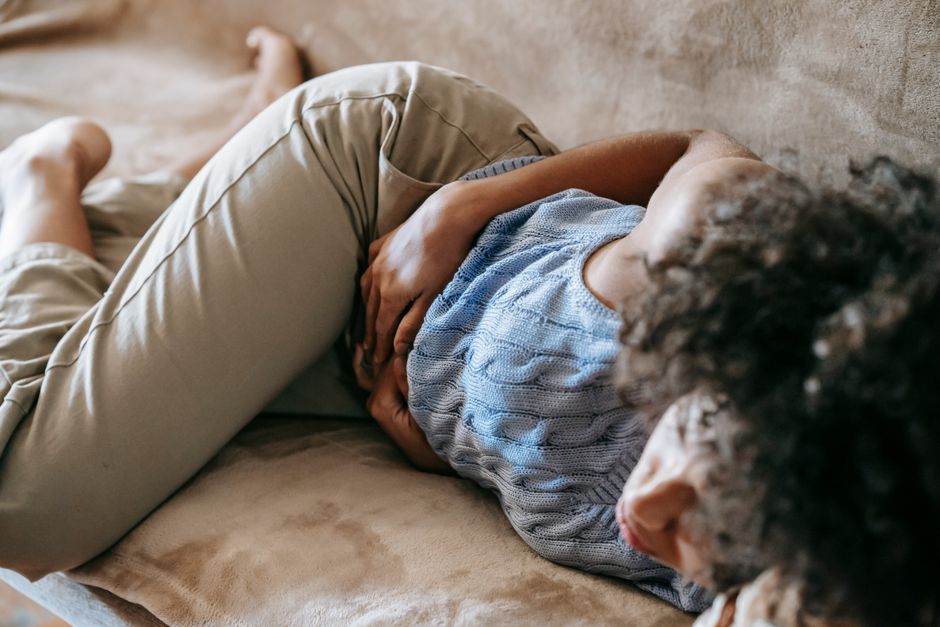
Menstrual cramps happen because the uterus contracts to shed its lining. The pain is not imagined and it is not a sign of weakness. It comes from real muscle contractions and real chemical signals — and for some people, those signals run stronger than they do for others.
If your cramps feel worse than what friends describe, there is usually a physiological reason. The severity of period pain depends on how much of a hormone-like compound called prostaglandin your body releases, how sensitive your uterine muscle is to it, and whether an underlying condition is making the contractions more intense.
Here is what is actually going on, why some people get hit harder, and when bad cramps deserve a closer look from a doctor.
What Actually Happens During a Menstrual Cramp?
The uterus is a muscular organ, and during your period it contracts to help expel the endometrial lining. These contractions are triggered by prostaglandins, which are hormone-like substances the uterine lining produces in larger amounts right before and during bleeding.
Prostaglandins do two things at once. They make the uterine muscle contract, and they sensitize pain nerve endings in the area. Higher prostaglandin levels generally mean stronger contractions and more pain. This is why the first day or two of a period is usually the worst — that is when prostaglandin release peaks.
The contractions can temporarily reduce blood flow to the uterine muscle. That reduced flow, similar in principle to what happens in a muscle cramp elsewhere in the body, produces the aching or gripping quality many people recognize.
This entire process is normal. It is called primary dysmenorrhea, meaning period pain that comes from the menstrual process itself rather than from another condition.
Why Are Your Cramps So Bad Compared to Other People’s?
Pain is not distributed evenly, and several factors push some people toward the severe end of the range.
Prostaglandin production varies from person to person. Some bodies simply release more of it. Uterine muscle sensitivity also differs — the same amount of prostaglandin can produce a stronger response in one person than another.
Age and reproductive history matter too. Period pain tends to be most intense in the late teens and twenties and often eases with age or after pregnancy, though this pattern is not universal.
Other contributing factors include:
- Heavier menstrual flow, which is associated with more prostaglandin release
- Smoking, which is linked to more intense period pain in some studies
- Family history of severe menstrual pain
- Irregular cycles, which can accompany more painful periods
- Stress and poor sleep, which can lower pain tolerance generally
One clarification worth making: the widely repeated idea that period pain is worse simply because someone has a “low pain tolerance” is not supported. Pain tolerance plays a role in how any pain is experienced, but the underlying driver here is the strength of the contractions and the amount of prostaglandin involved. Those are measurable biological differences, not character traits.
When Is Severe Period Pain a Sign of Something Else?
When period pain is severe enough to interfere with daily life, or when it gets worse over time rather than better, a secondary cause becomes more likely. This is called secondary dysmenorrhea, meaning the pain comes from an underlying condition rather than from the menstrual process alone.
The most common underlying condition is endometriosis, in which tissue similar to the uterine lining grows outside the uterus. This tissue responds to hormonal cycles, bleeds, and causes inflammation and pain. Endometriosis is a frequent cause of severe period pain, though it is not the only one.
Other possible causes include:
- Adenomyosis — uterine lining tissue growing into the muscular wall of the uterus, often causing heavy bleeding and cramping that worsens with age
- Uterine fibroids — noncancerous growths in the uterus that can cause heavy, painful periods
- Pelvic inflammatory disease — an infection of the reproductive organs
- Cervical stenosis — a narrowing of the cervix that can block menstrual flow
Because several different conditions can produce similar symptoms, a doctor cannot reliably tell them apart from symptoms alone. Diagnosis often involves a pelvic exam and imaging, and in some cases a surgical procedure called laparoscopy is needed to confirm endometriosis.





What Makes Cramps Feel Worse?
Certain factors can amplify pain that is already there. Knowing them does not mean the pain is your fault, but it can help you understand your own patterns.
Prostaglandin release is highest on the heaviest flow days, so the timing of your worst pain is usually not random. If your flow is heavy, your cramps are more likely to be intense.
Reduced blood flow to the uterus during strong contractions contributes to the pain quality. Anything that further restricts circulation or increases inflammation in the area can make it feel worse.
Stress and sleep deprivation do not cause cramps, but they can lower your threshold for experiencing pain. This is a real effect and not just in your head — the nervous system genuinely processes pain differently when you are exhausted or anxious.
Some people notice that their cramps are worse when their cycles are irregular or when they have been under sustained stress. These patterns are commonly reported, though the exact mechanisms are not fully mapped.
How Is Period Pain Typically Managed?
The most effective first-line approach for primary dysmenorrhea is nonsteroidal anti-inflammatory drugs, or NSAIDs, such as ibuprofen. These work by blocking prostaglandin production, which addresses the underlying cause rather than just masking the pain. They tend to work best when started at the first sign of cramps or bleeding rather than waiting for pain to peak.
Hormonal birth control is also commonly used. Combined hormonal methods can reduce the amount of endometrial lining built up each cycle, which means less prostaglandin release and often lighter, less painful periods.
Heat is a simple and well-supported option. Heat packs applied to the lower abdomen have been shown in some studies to reduce period pain, and the effect appears comparable to that of NSAIDs in some comparisons, though the evidence base is smaller.
Regular physical activity is associated with less severe period pain in observational studies, though it is not a guaranteed fix and the research does not establish it as a treatment.
For secondary dysmenorrhea, treating the underlying condition is the priority. Management depends entirely on what is found. Some conditions respond to medication, others may require procedures or surgery. This is why persistent or worsening pain deserves evaluation rather than just stronger painkillers.
When Should You See a Doctor About Bad Cramps?
Period pain that disrupts your life is not something you have to accept. There is a meaningful difference between normal cramping and pain that signals something treatable.
Consider seeing a doctor if:
- Pain is severe enough that you miss work, school, or activities most months
- Cramps are getting worse over time rather than staying steady or improving
- Pain lasts longer than the first few days of your period
- You have heavy bleeding — soaking through a pad or tampon every hour for several hours
- Pain occurs outside your period, or during sex
- Over-the-counter pain relievers do not help
- You have symptoms like fever, unusual discharge, or pain when urinating
One barrier worth naming: many people with severe period pain are told it is normal and learn to push through it. That advice is outdated. Severe pain that interferes with daily functioning is common, but common does not mean it should be ignored. Conditions like endometriosis are often diagnosed years after symptoms begin, partly because pain is normalized rather than investigated.
Getting evaluated does not mean something is seriously wrong. It means you are ruling out treatable causes and getting access to options that might actually work.
Frequently Asked Questions
Why are my cramps so bad all of a sudden?
A sudden change in cramp severity can point to a new or worsening underlying condition, such as endometriosis, fibroids, or adenomyosis. Pain that changes pattern or intensity deserves a medical evaluation rather than assuming it is just a bad month.
Are bad cramps a sign of endometriosis?
Severe period pain is a common symptom of endometriosis, but many other conditions cause similar pain and not everyone with bad cramps has it. Diagnosis requires a medical evaluation, and in some cases a surgical procedure to confirm.
What causes period cramps to be worse some months than others?
Prostaglandin levels vary from cycle to cycle, and factors like stress, sleep, flow heaviness, and hormonal fluctuations can shift how intense the contractions feel. Some variation between months is expected.
Can bad cramps mean I have a fertility problem?
Painful periods alone do not mean you cannot get pregnant, but conditions that cause severe cramps — such as endometriosis — can affect fertility in some people. If you are concerned about fertility, that is a separate conversation worth having with a doctor.
