
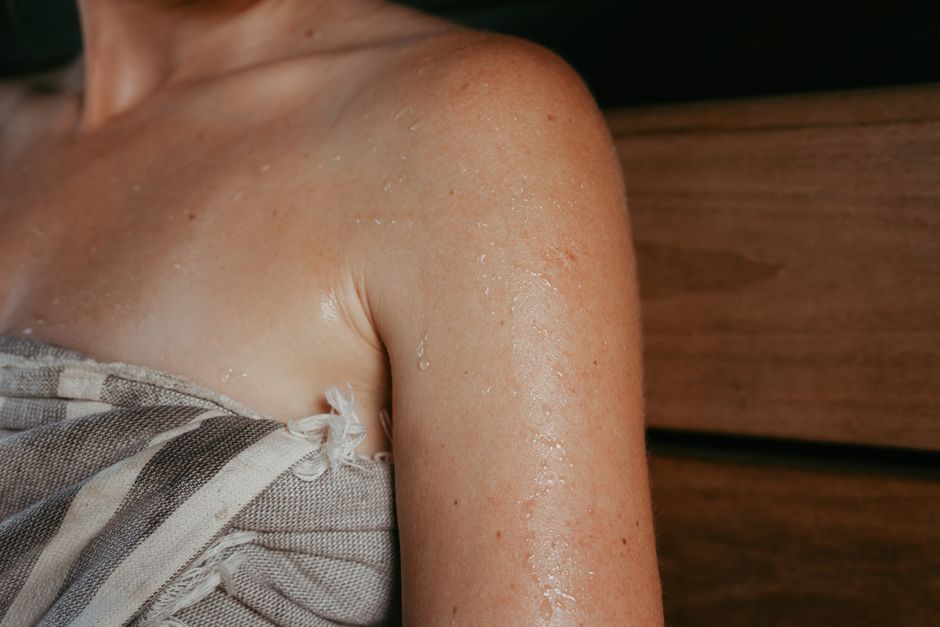
Waking up soaked through your pajamas and sheets is called night sweats, and it is not the same thing as feeling hot because your bedroom is warm. True night sweats are episodes of heavy sweating that soak your clothing or bedding, happen during sleep, and are not explained by the temperature of the room. They are a symptom, not a disease, and the list of possible causes ranges from the ordinary to the serious.
Why Am I Drenched In Sweat When I Sleep?
Your body sweats to release heat, and that system runs on your nervous system. During sleep, several normal shifts happen. Body temperature dips slightly. Hormone levels move. The part of your nervous system that controls sweating can behave differently than it does when you are awake.
Night sweats happen when that cooling system gets switched on when it should not be. Sometimes the trigger is hormonal. Sometimes it is an infection, a medication, or a condition that affects how your body regulates temperature. Sometimes no clear cause is ever found.
One distinction matters from the start. Feeling hot because the room is warm, the blanket is heavy, or you just exercised is not a night sweat. A true night sweat is heavy enough to drench your clothes or sheets, and it happens even when your sleeping environment is cool. That difference is what doctors use to decide whether to look for a cause.
What Is the Difference Between Night Sweats and Hot Flashes?
People often use these terms interchangeably, but they are not the same event. A hot flash is a sudden wave of heat, usually felt in the upper body and face, often with flushing and a rapid heartbeat. It can happen day or night. A night sweat is the heavy sweating itself, and it happens during sleep.
The two overlap. A hot flash at night can lead to drenching sweat. But night sweats also occur in people who never have hot flashes, including men and younger women. That is why the cause matters more than the label.
What Hormonal Changes Cause Night Sweats?
Hormonal shifts are among the most common causes. The clearest example is the menopausal transition. As estrogen levels fluctuate and then fall, the body’s temperature regulation becomes less stable, and the sweating response can fire at the wrong time.
This is not limited to women in menopause. Anything that changes hormone levels can trigger night sweats, including:
- Perimenopause and menopause
- Pregnancy, especially in the first and third trimesters
- Low testosterone in men
- Thyroid problems, particularly an overactive thyroid
- Diabetes, when blood sugar drops too low during sleep
The thyroid connection is worth understanding. An overactive thyroid speeds up metabolism and heat production, so the body works harder to cool itself. Low blood sugar, which can happen in people with diabetes who take insulin or certain medications, triggers a stress response that includes sweating.





Can Medications and Substances Cause Night Sweats?
Yes, and this is one of the most overlooked causes. Many common medications list sweating as a known side effect. When a medication is the trigger, night sweats often start or worsen after the drug is begun or the dose is changed.
Medication classes that have been linked to sweating include some antidepressants, particularly selective serotonin reuptake inhibitors, as well as certain pain medications, hormone therapies, and drugs used to lower blood sugar. If you suspect a medication is involved, the right move is to talk with the prescriber rather than stop the drug on your own.
Substances matter too. Alcohol is a common trigger because it widens blood vessels and affects temperature regulation. Heavy alcohol use near bedtime is frequently associated with night sweats. Some people also notice sweating after stimulants, including caffeine taken late in the day.
When Are Night Sweats a Sign of Something Serious?
Night sweats can be a symptom of a serious underlying condition, and that possibility is why they should not be ignored when they are persistent or unexplained. The main categories doctors consider are infections, cancers, and other systemic diseases.
Chronic infections are a well-known cause. Tuberculosis is the classic example and is still a reason night sweats are taken seriously worldwide. Other infections, including some that affect the heart valves or bones, can also produce them.
Certain cancers, especially lymphomas and leukemias, can cause night sweats. In lymphomas, night sweats are one of a group of symptoms doctors call B symptoms, along with unexplained fever and weight loss. This does not mean night sweats usually point to cancer. Most of the time they do not. But persistent night sweats paired with fever, weight loss, or swollen lymph nodes are a reason to seek medical care promptly.
Other conditions linked to night sweats include autoimmune diseases, chronic fatigue, and disorders of the nervous system that affect sweating control.
What Else Can Trigger Night Sweats?
Several everyday and less alarming factors can also be responsible. These are worth ruling out before assuming something serious.
- Sleep environment: a warm room, heavy bedding, or sleeping in tight synthetic clothing traps heat
- Anxiety and stress: the nervous system’s stress response can activate sweating at night
- Obstructive sleep apnea: repeated pauses in breathing stress the body and are associated with night sweats
- Reflux: acid reflux can cause sweating along with other symptoms during sleep
- Recent illness: fever from a passing infection often breaks with sweating
Sleep apnea is an important one because it is common and often undiagnosed. If you snore heavily, wake gasping, or feel exhausted despite a full night’s sleep, that pattern is worth mentioning to a doctor.
How Do Doctors Figure Out the Cause?
There is no single test for night sweats. The process starts with a detailed history. A doctor will ask when the sweating began, how often it happens, whether it soaks your bedding, what medications you take, and whether you have other symptoms like fever, weight loss, or night-time chest discomfort.
From there, testing depends on what the history suggests. Common steps include blood counts, thyroid testing, blood sugar checks, and sometimes imaging or cultures if an infection or cancer is suspected. In many cases, the cause is found through history alone, especially when a medication or hormonal transition is the clear trigger.
It is also fair to say that in some people, no specific cause is identified. When a thorough evaluation comes back normal, the sweating is sometimes attributed to an overactive sweating response, and management focuses on reducing the symptom rather than treating a disease.
What Can You Do About Night Sweats?
What helps depends entirely on the cause, so the first step is figuring out why it is happening. For sweating tied to a medication, adjusting the drug or dose, when appropriate and under medical guidance, often resolves it. For menopause-related sweating, treatment options exist and are best discussed with a clinician who knows your history.
Some general measures can reduce discomfort regardless of cause:
- Keep the bedroom cool and use light, breathable bedding
- Choose moisture-wicking sleepwear and keep a spare set nearby
- Limit alcohol and caffeine, especially in the evening
- Track when episodes happen and what you ate, drank, or took beforehand
These steps manage the symptom. They do not treat an underlying cause, which is why persistent night sweats deserve a medical evaluation rather than home remedies alone.
When Should You See a Doctor?
See a doctor if night sweats are frequent, drench your bedding, or continue for more than a few weeks without an obvious explanation. Seek care sooner if they come with fever, unexplained weight loss, swollen lymph nodes, or a persistent cough.
You should also get evaluated if night sweats interfere with your sleep or your daily life, or if you take a medication that lists sweating as a side effect and the problem started after you began it. Most causes are treatable once identified. The value of an evaluation is not to alarm you but to sort the common causes from the ones that need attention.
Frequently Asked Questions
Are night sweats ever normal?
Occasional night sweats can happen from a warm room, heavy bedding, or a brief illness, and these are not usually a concern. Frequent night sweats that soak your bedding without an obvious trigger are not normal and should be evaluated.
Can stress cause night sweats?
Yes, anxiety and stress can activate the body’s sweating response during sleep. When stress is the cause, the episodes often track with periods of higher worry or poor sleep.
Do night sweats mean I have cancer?
Most night sweats are not caused by cancer. However, certain cancers such as lymphomas can cause them, especially when paired with unexplained fever or weight loss, so persistent cases should be checked.
How do I stop night sweats?
The right treatment depends on the cause, so identifying the trigger comes first. Cooling your sleep environment and limiting alcohol can reduce discomfort, but persistent night sweats need a medical evaluation.
