
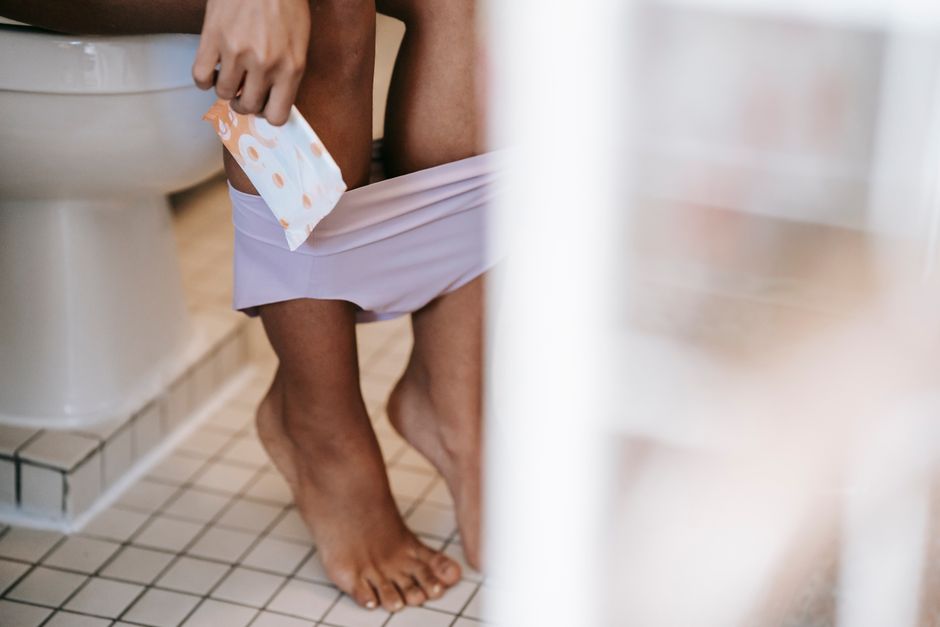
Yes, constipation can directly cause bladder pain. The physical crowding in your pelvis from a backed-up colon puts pressure on your bladder, its nerves, and surrounding muscles. This pressure can create a dull ache, a feeling of fullness, or even sharp pain when you urinate. Many people are surprised to learn their bladder trouble starts in their gut, but the connection is well-documented in medical research. Understanding this link is the first step to getting the right relief.
How Does Constipation Put Pressure on the Bladder?
Your colon sits right behind your bladder in the pelvic cavity. When constipation causes the colon to become distended with hard, backed-up stool, it takes up more space than normal. This extra bulk pushes forward against the back wall of the bladder.
Think of it like a water balloon with a heavy object pressing on it. The bladder cannot expand fully or empty completely. This physical compression triggers nerve signals that your brain reads as pain, urgency, or the need to urinate frequently. Research published in the Journal of Urology has shown that rectal distension from stool directly increases bladder pressure and changes how the bladder muscle behaves.
The pressure does not stop at the bladder itself. The pelvic floor muscles, which support both the bowel and bladder, become tense and overworked when you strain during constipation. This muscle tension can radiate pain through the lower abdomen, lower back, and pelvis.
What Does Research on Can Constipation Cause Bladder Pain Show?
Studies have found a strong link between chronic constipation and bladder symptoms. A large review in the journal Neurourology and Urodynamics examined multiple studies and concluded that people with constipation are significantly more likely to report bladder pain, urgency, and frequent urination than people with regular bowel movements.
The relationship goes both ways. People with overactive bladder or interstitial cystitis often have higher rates of constipation. This does not mean one causes the other in every case, but the two conditions frequently occur together because they share the same nerve pathways and muscle groups.
Clinical researchers at the Mayo Clinic have noted that treating constipation can improve bladder symptoms in many patients. When the colon is less full, the bladder has more room to function normally. The pain often decreases as the pressure is relieved.
What Are the Common Symptoms of Constipation-Related Bladder Pain?
Bladder pain from constipation does not always feel the same. People describe different sensations depending on how much pressure is present and how long it has been happening. The most common symptoms include:
- A dull ache in the lower abdomen or pelvic area that comes and goes
- Sharp or cramping pain when urinating, especially if the bladder is full
- Frequent urination without a urinary tract infection
- Feeling like the bladder does not empty completely
- Pain that improves after a bowel movement
One less obvious sign is pain that gets worse when you sit for long periods. Sitting compresses the pelvis and can increase the pressure from a backed-up colon. Some people notice relief when they stand or lie down.
It is important to note that bladder pain can also come from infections, kidney stones, or conditions like interstitial cystitis. Constipation-related pain usually has a clear link to your bowel habits. If you have not had a bowel movement in several days and your bladder hurts, the constipation is a likely cause.


How Can You Tell If Your Bladder Pain Is From Constipation?
There is no single test to confirm the connection. Doctors typically make the diagnosis by ruling out other causes and looking at your bowel patterns. The Bristol Stool Chart is a tool your doctor might use. Type 1 and type 2 stools — hard, separate lumps or lumpy sausage shapes — are signs of constipation.
You can ask yourself a few simple questions. Do you have fewer than three bowel movements per week? Do you strain during bowel movements? Do you feel like you have not fully emptied your rectum after going? If you answer yes to these and you have bladder pain, constipation is a strong suspect.
Your doctor may also check for a urinary tract infection with a simple urine test. If the test comes back negative and you have clear signs of constipation, the bladder pain is likely mechanical — from the pressure, not from an infection. This distinction matters because antibiotics will not help constipation-related pain.
What Actually Relieves Bladder Pain Caused by Constipation?
Relieving the constipation is the direct path to relieving the bladder pain. The goal is to soften the stool and get the colon moving so it stops pressing on the bladder. Fiber is the most commonly recommended first step, but it works best when you increase it slowly and drink plenty of water.
A comparison of common approaches shows what works and what does not:
| Approach | How It Works | Evidence Level |
|---|---|---|
| Increase fiber (25-35g daily) | Softens stool and adds bulk | Strong for mild to moderate constipation |
| Drink more water (8+ cups daily) | Helps fiber work and prevents hard stool | Strong when combined with fiber |
| Gentle exercise (walking, stretching) | Stimulates colon contractions | Moderate evidence |
| Pelvic floor relaxation exercises | Reduces muscle tension around bladder | Some evidence, often recommended |
| Stool softeners or osmotic laxatives | Draw water into the colon | Strong for short-term relief |
| Stimulant laxatives | Force colon contractions | Use sparingly; can cause dependency |
Pelvic floor physical therapy is a less common but highly effective option. A trained therapist can teach you how to relax the muscles that clamp down when you are constipated. This relaxation takes direct pressure off the bladder and can reduce pain within a few sessions. Some people report that their bladder pain disappears completely once their bowel habits return to normal.
When Should You See a Doctor About Bladder Pain and Constipation?
Occasional constipation with mild bladder discomfort is usually not an emergency. You can try increasing fiber, water, and activity for a few days to see if the pain resolves. If it does, the cause was likely the pressure from stool.
You should see a doctor if the bladder pain is severe, if you see blood in your urine, or if you have a fever. These signs point to something other than simple constipation, such as an infection or kidney problem. You should also seek medical advice if constipation has been going on for weeks and home treatments are not working.
Chronic constipation that does not respond to lifestyle changes may require prescription medications or further testing. A gastroenterologist or a pelvic floor specialist can help. Do not assume that bladder pain is just something you have to live with. In many cases, fixing the bowel problem fixes the bladder problem.
Common Misconceptions About Constipation and Bladder Pain
One widespread myth is that drinking less water will reduce bladder pain. This is wrong. Dehydration makes stool harder and worsens constipation, which actually increases bladder pressure. Staying hydrated is essential for both bowel and bladder health.
Another misconception is that bladder pain from constipation means you have a weak pelvic floor. In many cases, the pelvic floor is actually too tight from chronic straining. Relaxation, not strengthening, is often what is needed. Kegel exercises can sometimes make the pain worse if the muscles are already in a state of tension.
Some people believe that constipation only causes bloating or discomfort in the gut. The truth is that the pelvic cavity is a small, crowded space. When one organ is backed up, the others feel it. Bladder pain is a real and common consequence of constipation, even if it does not make intuitive sense at first.
Frequently Asked Questions
Can constipation cause bladder pain that feels like a UTI?
Yes, constipation can cause pain and urgency that mimics a urinary tract infection. A urine test can tell the difference because a UTI will show bacteria or white blood cells.
How long does bladder pain last after constipation is relieved?
Most people feel relief within 24 to 48 hours after a bowel movement. Chronic constipation may take a few days of regular soft stools for the pain to fully resolve.
Can constipation cause bladder pain in children?
Yes, constipation is a common cause of bladder pain and daytime wetting in children. Treating the constipation often resolves the bladder symptoms without further treatment.
Does drinking more water help bladder pain from constipation?
Yes, water softens stool and reduces pressure on the bladder. It is one of the most effective and safest first steps you can take.
