
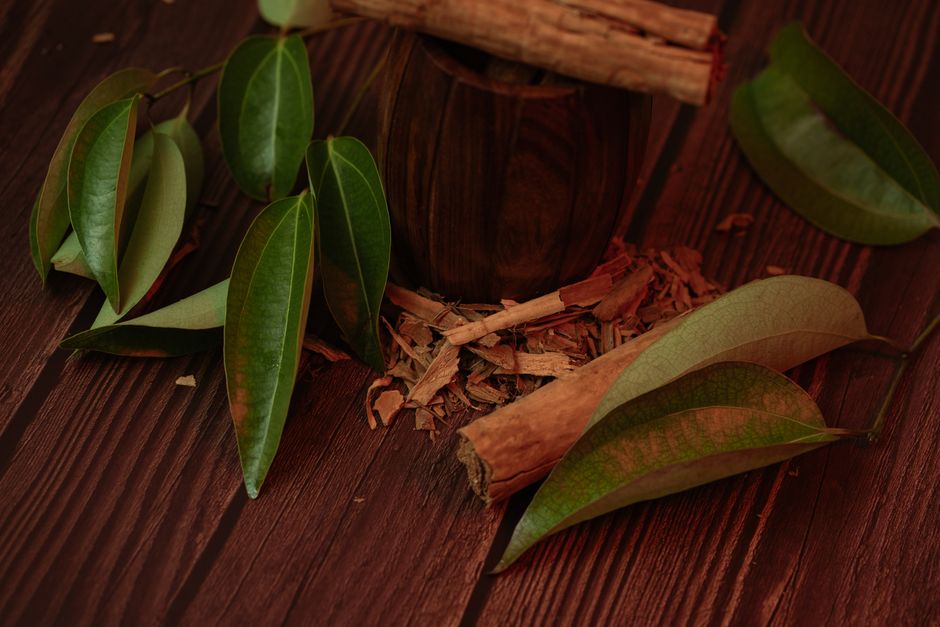
Craving cinnamon is usually about smell, taste, and habit rather than a hidden deficiency. Cinnamon is warm, sweet, and strongly aromatic, and food cravings most often reflect the brain’s reward system, learned food associations, or a desire for comfort — not a coded message from your organs. There is one real exception worth knowing about: a strong, persistent urge to chew or smell non-food items, including cinnamon sticks, can be a sign of pica, which is linked to iron deficiency and should be checked by a doctor.
Why Am I Craving Cinnamon What Your Body Is Telling You?
Your body is not sending a specific nutritional signal when you want cinnamon. The craving is generated mostly in the brain, in circuits that govern reward, memory, and smell, and it is shaped by what you have eaten, smelled, and enjoyed before.
Cinnamon’s aroma comes largely from cinnamaldehyde, a compound that activates odor and taste receptors and produces a strong, pleasant sensation. Foods that hit multiple senses at once — smell, taste, warmth, texture — tend to be more memorable, and memorable foods get craved more often. That is a normal feature of how appetite works, not a sign that something is wrong.
Cravings also track with context. If you routinely have cinnamon on oatmeal, in coffee, or in a baked treat, your brain learns to associate certain times, moods, or places with that flavor. The association itself can trigger the desire, sometimes before you are even hungry. This is why cravings often show up at predictable moments — mid-afternoon, after dinner, or during stressful periods.
What cinnamon is not doing is reliably signaling a nutrient gap. The idea that a specific food craving points to a specific missing vitamin or mineral is widely repeated and poorly supported. The clearest exception in the medical literature is pica, which is a craving for non-food substances rather than a craving for a normal food like cinnamon.
Can a Cinnamon Craving Mean a Nutrient Deficiency?
For ordinary cinnamon cravings, there is no established deficiency link. The evidence that specific food cravings correct specific nutrient shortages is weak, and most researchers treat cravings as a product of appetite regulation, emotion, and learning rather than a deficiency alarm.
The exception is pica. Pica is defined as persistently eating or craving non-nutritive substances — things like ice, dirt, clay, chalk, paper, or starch — for at least a month, in a way that is not culturally or socially normal for the person. Pica has been associated with iron deficiency anemia, and it appears more often in pregnancy and in people with certain nutritional deficiencies. In some cases, treating the underlying deficiency reduces the craving, though the relationship is not fully understood.
Cinnamon sticks sit in a gray zone. Chewing or sucking on a cinnamon stick is not a classic pica behavior, because cinnamon is a food. But if the urge is to chew the wood itself, to smell it constantly, or to consume non-food items alongside it, that pattern deserves a medical conversation. Blood tests for iron status and a general check of nutritional health are reasonable next steps in that situation.
If your craving is simply for the taste and smell of cinnamon in food, deficiency is an unlikely explanation.
What Else Commonly Drives a Cinnamon Craving?
Most cinnamon cravings come from ordinary appetite and reward biology. Several factors reliably increase how strongly we want a specific food.
- Restriction and dieting. Cutting calories or cutting out sweets often increases cravings for sweet, aromatic foods, including cinnamon-flavored ones.
- Stress and mood. Stress can raise appetite for palatable foods, and warm, sweet flavors are common comfort cues.
- Habit and routine. A daily cinnamon coffee or oatmeal builds a strong learned association that can feel like a craving.
- Smell exposure. Walking past a bakery or brewing spiced coffee can trigger the desire within seconds.
- Season and temperature. Cinnamon is heavily used in fall and winter foods, so cravings often cluster in colder months.
- Sleep loss. Short sleep is associated with increased appetite and stronger food cravings in general.
None of these are medical problems on their own. They describe how appetite normally responds to environment, emotion, and habit.





Is Cinnamon Good For You, and Does That Matter Here?
Cinnamon is a flavorful spice with some measured biological activity, but it is not a treatment for any condition, and craving it does not mean it is correcting something in your body.
Some research suggests cinnamon may have modest effects on blood sugar markers in certain populations, but results across studies are mixed and the effect sizes are generally small. It is not a substitute for diabetes medication, diet, or medical care. If you have diabetes or prediabetes, any change to how you manage blood sugar should go through your doctor.
There is one safety point that is genuinely important and often missed. There are two main types of cinnamon sold in the US: Ceylon cinnamon (often called “true cinnamon”) and Cassia cinnamon. Cassia is far more common and contains much higher levels of a compound called coumarin. High coumarin intake over time has been linked to liver damage in sensitive people. The concern is mainly about concentrated supplements and heavy daily use of Cassia powder, not about occasional use in food.
Whole cinnamon sticks are hard to chew and can be a choking hazard, especially for children. Cinnamon powder can also be irritating if inhaled. These are practical risks, not reasons to avoid cinnamon in normal cooking amounts.
When Should You Take a Cinnamon Craving Seriously?
Take it seriously if the craving is for non-food items, if it is intense and persistent, or if it comes with other symptoms. Those patterns point to something worth evaluating rather than a normal appetite signal.
Talk to a doctor if you notice any of the following:
- Cravings for ice, dirt, clay, chalk, paper, or other non-food items
- A strong urge to chew or consume cinnamon sticks or other wood
- Fatigue, pale skin, shortness of breath, or unusual coldness — possible signs of anemia
- Cravings that interfere with eating a normal diet
- Unexplained weight change, digestive symptoms, or new cravings in pregnancy
In pregnancy, cravings are common and usually harmless, but pica in pregnancy is a recognized concern that warrants a check of iron status and overall nutrition. No clinical guidelines recommend self-treating a suspected deficiency with supplements. Testing comes first.
How Do You Handle a Cinnamon Craving?
If the craving is ordinary and not linked to any warning signs, you can treat it as an appetite signal and respond to it in a straightforward way. There is no medical need to suppress it.
Practical approaches that fit normal eating:
- Have cinnamon in food — oatmeal, yogurt, coffee, tea, or baked goods — rather than chasing it with supplements.
- If you are dieting heavily, loosen the restriction. Over-restriction tends to intensify cravings, not reduce them.
- Check sleep. Short sleep is tied to stronger appetite and cravings in general.
- If stress is driving it, address the stress directly rather than only the food.
- If you use cinnamon daily in large amounts, consider switching to Ceylon cinnamon to lower coumarin exposure.
Keep in mind that a craving is not a diagnosis. It is a normal experience that becomes worth investigating only when the pattern changes, intensifies, or involves non-food items.
Frequently Asked Questions
Does craving cinnamon mean I have a vitamin deficiency?
No, there is no established link between craving cinnamon and a specific vitamin or mineral deficiency. The exception is pica — a craving for non-food items — which has been associated with iron deficiency and should be checked by a doctor.
Can craving cinnamon be a sign of anemia?
Craving non-food items like ice, dirt, or clay can be a sign of iron deficiency anemia, but craving cinnamon itself is not a recognized anemia symptom. If you also have fatigue, pale skin, or shortness of breath, get your iron levels tested.
Is it safe to eat cinnamon every day?
Using cinnamon in normal food amounts is generally considered safe, but heavy daily use of Cassia cinnamon or concentrated supplements can raise coumarin intake, which has been linked to liver harm in sensitive people. Ceylon cinnamon contains much less coumarin.
Why do I crave cinnamon in the fall and winter?
Cinnamon is used heavily in seasonal foods, so the craving is likely driven by habit, smell, and learned associations rather than anything physical. Cravings often follow routine and environment more than nutritional need.
