
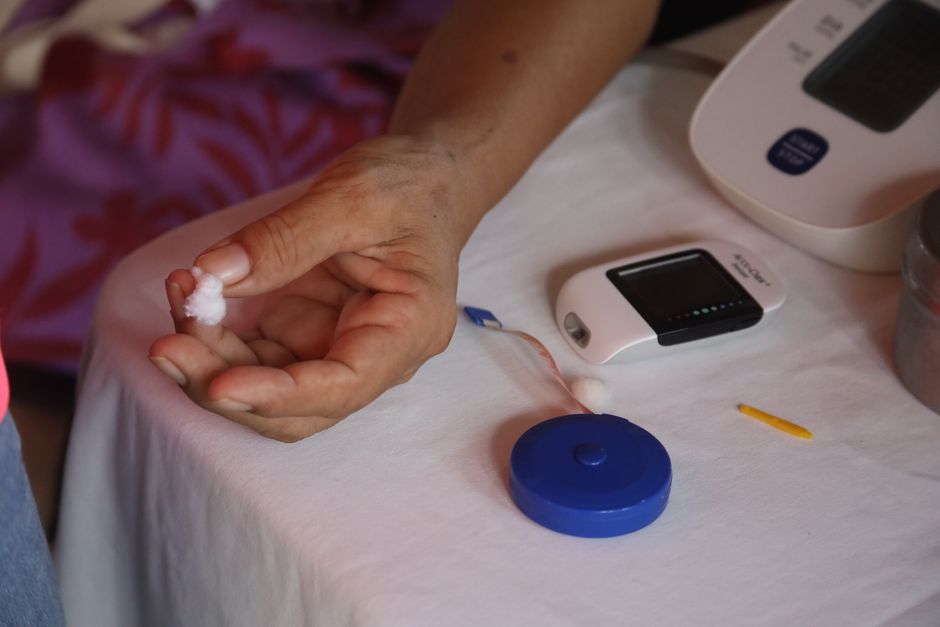
Testing for mold exposure in your body is not a single, simple test. Doctors use a combination of blood tests, urine tests, and a detailed review of your symptoms and living environment to build a complete picture. There is no FDA-approved test that definitively diagnoses “mold illness,” so understanding what each test can and cannot tell you is the first step.
What Are the Main Tests for Mold Exposure?
Clinicians typically rely on three main laboratory approaches when mold exposure is suspected. Each looks at a different part of the body’s response to mold.
Blood tests for antibodies measure Immunoglobulin G (IgG), Immunoglobulin A (IgA), and Immunoglobulin M (IgM) antibodies. Your immune system produces these proteins when it encounters specific mold species. A result showing elevated antibodies means your body has been exposed to that mold at some point. It does not tell you when the exposure happened or whether it is causing your current symptoms.
Urine tests for mycotoxins look for the toxic substances that certain molds produce. These tests detect the presence of mycotoxins like ochratoxin A or aflatoxins in your urine. This approach is controversial because mycotoxins are processed and cleared by the body at different rates, and no consensus exists on what urine levels are considered harmful.
Skin prick tests are used primarily by allergists. A small amount of mold extract is placed on your skin, and the skin is lightly pricked. If you have a true allergy to that mold, a small raised bump will appear within about 15 minutes. This test identifies allergic reactions, not toxicity from mycotoxin exposure.
Can a Blood Test Confirm Mold Exposure?
A blood test can confirm that your immune system has encountered mold, but it cannot confirm that mold is causing your symptoms. This is a critical distinction.
Most people are exposed to mold spores regularly without becoming ill. Their blood may show antibodies to common molds like Alternaria or Aspergillus even though they have no symptoms at all. A positive antibody test only demonstrates past or ongoing exposure.
Some practitioners order tests for complement proteins or inflammatory markers like transforming growth factor beta (TGF-β1). These tests measure immune system activation but are not specific to mold. Many conditions can raise these markers, so they are not diagnostic on their own.
Research published in medical journals consistently shows that no blood test has been validated as a reliable diagnostic tool for mold-related illness. The tests can support a clinical picture, but they cannot replace a doctor’s assessment.
What About Urine Mycotoxin Tests?
Urine mycotoxin testing is one of the most debated topics in environmental medicine. Laboratories offer panels that screen for multiple mycotoxins in a single urine sample.
The science behind these tests is real — mycotoxins can be measured in human urine. The problem is interpretation. Healthy people without any mold symptoms can have detectable mycotoxins in their urine. The body naturally clears these compounds through the kidneys and digestive system.
There is also the question of timing. Mycotoxins may only appear in urine for a short window after exposure. A single urine sample can miss an exposure that happened days earlier. Some clinicians recommend repeated testing over time, but this adds cost without clear evidence that it improves diagnostic accuracy.
No clinical guidelines currently exist for what constitutes a “normal” or “dangerous” level of mycotoxins in urine. For this reason, many mainstream medical organizations do not recommend urine mycotoxin testing as a routine diagnostic tool.




How Do Doctors Diagnose Mold-Related Illness?
Because no single test is definitive, diagnosis relies on a structured clinical evaluation. Most physicians who treat mold-related conditions use a combination of history, symptoms, and laboratory results.
The process typically starts with a detailed exposure history. Your doctor will ask about water damage in your home or workplace, visible mold growth, recent moves, and occupations that involve damp environments. This history is often the most informative part of the evaluation.
Symptom review is the second pillar. Common complaints include fatigue, headache, brain fog, respiratory irritation, and worsening allergy symptoms. These symptoms are nonspecific — they overlap with many other conditions like chronic fatigue syndrome, thyroid disorders, and autoimmune diseases.
This is why doctors often run a panel of basic tests first. Complete blood count, liver function tests, thyroid panel, and inflammatory markers help rule out other causes. Only after excluding more common conditions does mold exposure become a working diagnosis.
What Are the Limitations of Current Testing?
The honest answer is that testing for mold exposure has significant limitations. No test currently available can prove that mold is causing your symptoms.
Antibody tests tell you about exposure, not disease. Urine tests tell you about recent mycotoxin clearance, not current illness. Skin tests tell you about allergy, not toxicity. Each test provides a piece of information, but none provides the whole picture.
There is also the problem of false reassurance. A negative test result does not rule out mold-related illness. The tests may not be sensitive enough to detect low-level exposure, or the timing of the test may miss the window of detection.
Conversely, a positive result can cause unnecessary anxiety. Finding mycotoxins in urine does not automatically mean they are making you sick. Many people carry these compounds without any adverse health effects.
When Should You Consider Testing?
Testing makes the most sense when you have specific symptoms and a plausible exposure history. If you have been living in a water-damaged building and developed respiratory symptoms, headaches, or persistent fatigue, testing may help clarify the picture.
Testing is less useful when you have no symptoms but want to “check” your body for mold exposure. Routine screening has no established benefit and can lead to unnecessary treatment.
If you are considering testing, seek a clinician experienced in environmental medicine. These practitioners understand the limitations of each test and will interpret results in the context of your overall health. A clinician who orders a single test and gives you a definitive diagnosis based on that result alone should raise caution.
Before testing, it is often more practical to address the source of exposure. If you suspect mold in your home, professional inspection and remediation may be more valuable than laboratory testing. Removing the exposure is the most effective intervention regardless of test results.
What Treatments Exist for Mold Exposure?
Treatment depends on what the evaluation reveals. If testing shows a true mold allergy, standard allergy treatments are appropriate. These include antihistamines, nasal corticosteroids, and allergen immunotherapy in selected cases.
If symptoms are related to mycotoxin exposure, the primary treatment is eliminating the source. No medication has been approved by the FDA specifically for treating mold toxicity. Some practitioners prescribe binders like activated charcoal or cholestyramine to help the body clear mycotoxins, but clinical evidence for this approach is limited.
Supportive care is the foundation of treatment. This includes addressing nutritional deficiencies, supporting sleep, managing stress, and treating any secondary infections. For people with asthma or chronic sinusitis triggered by mold, standard respiratory treatments are the mainstay.
Recovery timelines vary widely. Some people improve within weeks of removing the exposure source. Others with prolonged exposure or underlying health conditions may take months to recover. No reliable evidence predicts individual recovery time.
How Can You Reduce Mold Exposure at Home?
Prevention is more effective than testing. Mold requires moisture to grow, so controlling moisture is the primary strategy.
- Fix leaks in roofs, walls, and plumbing promptly.
- Keep indoor humidity below 50 percent using dehumidifiers if needed.
- Ensure bathrooms and kitchens are properly ventilated.
- Clean and dry water-damaged areas within 24 to 48 hours.
- Use mold-resistant products in new construction or renovations.
- Regularly inspect air conditioning units and clean drip pans.
If you find visible mold, small areas can often be cleaned with detergent and water. Larger areas — typically more than 10 square feet — may require professional remediation. Always wear protective gear like gloves and an N95 mask when cleaning mold yourself.
Frequently Asked Questions
Can a doctor test for mold exposure?
Yes, doctors can order blood tests for mold antibodies and urine tests for mycotoxins. However, no single test can definitively diagnose mold-related illness.
How long do mold mycotoxins stay in your body?
Mycotoxins are cleared from the body at different rates depending on the specific toxin and individual metabolism. Some may be detected in urine for days, while others may persist longer.
What are the first signs of mold exposure?
Common early signs include fatigue, headache, nasal congestion, coughing, and eye irritation. These symptoms overlap with many other conditions, so they are not specific to mold.
Is urine mycotoxin testing reliable?
Urine testing can detect mycotoxins, but interpretation is difficult because healthy people may also have detectable levels. No standard exists for what level indicates illness.
