
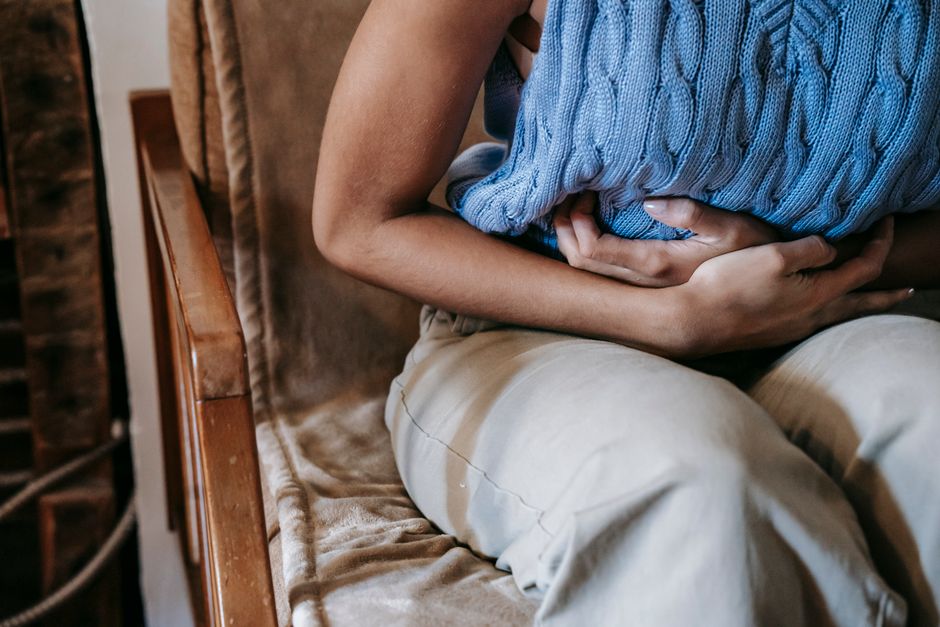
Yes, you get bloated when on your period. It is one of the most common symptoms of the menstrual cycle. Most women who menstruate experience some degree of bloating right before or during their period. The bloating happens because of natural hormone shifts, not because of anything you did wrong. It is a normal part of the cycle for many people, and it usually goes away a few days after your period starts.
What Causes Period Bloating?
Period bloating happens because of changes in your hormone levels. Estrogen and progesterone rise and fall at different points in your cycle. These changes affect how your body holds onto water.
Right before your period, estrogen levels drop and progesterone levels rise. Higher progesterone can slow down your digestive tract. This means food moves through your system more slowly. Slower digestion leads to gas and a feeling of fullness.
Hormones also affect your kidneys. They signal your body to hold onto more sodium and water. This extra fluid collects in your tissues. That is why your stomach, fingers, and ankles may feel puffier than usual.
Water retention is the main driver of period bloating. It is not fat gain. The scale may go up by a pound or two during this time. That number goes back down once your period ends.
How Long Does Period Bloating Last?
Bloating typically starts one to two days before your period begins. It often peaks on the first day of your period. For most people, it fades within two to three days after bleeding starts.
Some people feel bloated for a longer stretch. If your cycle is longer or your hormone levels fluctuate more, the bloating window can be wider. The key is that it should resolve on its own as your hormone levels settle.
If bloating never goes away, or if it gets worse instead of better, that is a different situation. Persistent bloating that lasts for weeks is not typical period bloating. That deserves a conversation with a doctor.
How to Reduce Period Bloating
You cannot stop the hormone shifts that cause bloating. But you can take steps to reduce how much water your body holds and how much gas builds up.
Drinking more water sounds counterintuitive when you feel puffy, but it helps. When your body senses it is well hydrated, it is less likely to hold onto extra fluid. Aim for consistent water intake throughout the day, not just when you feel bloated.
Cutting back on salt is one of the most effective changes. Sodium makes your body retain water. Processed foods, canned soups, fast food, and salty snacks are the biggest sources. Reducing these in the week before your period can make a noticeable difference.
Potassium-rich foods may help balance sodium levels. Bananas, sweet potatoes, spinach, and avocados are good options. These foods support your body’s natural fluid balance.
Gentle movement can also help. Walking, stretching, or light yoga encourages digestion and can reduce gas buildup. Intense exercise is fine if you feel up to it, but it is not required to get relief.
Some research suggests that magnesium supplements may reduce bloating and other PMS symptoms. The evidence is not strong enough to make a firm recommendation. If you try it, follow the dose on the label and talk to your doctor first, especially if you take other medications.


Does Diet Affect Period Bloating?
Yes. What you eat in the days before your period directly influences how bloated you feel.
High-sodium foods are the biggest culprit. Your body is already holding onto water. Extra salt makes it hold onto even more. Fast food, deli meats, and packaged snacks are loaded with sodium.
Carbonated drinks can add to the problem. The bubbles in soda, sparkling water, and beer introduce gas into your digestive tract. Combined with slower digestion, this can make your stomach feel distended.
Cruciferous vegetables like broccoli, cauliflower, and cabbage are healthy, but they produce gas as they break down. If you are prone to bloating, you might want to reduce these in the week before your period. Cooked versions are easier to digest than raw ones.
Dairy can be an issue for some people. If you are lactose sensitive, the slowed digestion during your period can make symptoms worse. Pay attention to how your body reacts to dairy around this time of the month.
Eating smaller, more frequent meals can help. Large meals sit in your stomach longer when digestion is slow. Smaller portions are easier for your body to process.
When Is Bloating Not Normal?
Period bloating is normal and temporary. But some bloating patterns are worth taking seriously.
If your bloating does not go away after your period ends, that is a red flag. Normal period bloating resolves within a few days. Bloating that lasts for two weeks or more is not a menstrual symptom.
Sudden, severe bloating with sharp pain is different from the mild discomfort of period bloating. If you have intense abdominal pain that comes on quickly, seek medical attention. This can be a sign of something other than your cycle.
Bloating with other symptoms like fever, vomiting, or unexplained weight loss is also a reason to see a doctor. These are not typical period symptoms.
Conditions like irritable bowel syndrome (IBS) can overlap with period bloating. Many people with IBS notice their symptoms get worse around their period. The hormone changes affect the gut, and the gut issues amplify the bloating. If you have IBS, you may need to manage both conditions together.
Does Period Bloating Get Worse With Age?
Some people notice more bloating as they get older, but the evidence here is not strong. Hormone levels change over time. Perimenopause, the years leading up to menopause, can bring irregular cycles and different hormone patterns. Some people report more water retention during this time.
Other factors also change with age. Metabolism slows down. Digestive function can change. These may make you more aware of bloating even if the hormone-driven component stays the same.
The practical answer is to track your symptoms. If bloating becomes more severe or more frequent, talk to your doctor. There may be a separate issue that needs attention, especially as you get older.
Can Birth Control Help With Period Bloating?
Hormonal birth control can reduce period bloating for some people. Birth control pills, patches, and hormonal IUDs change how your hormones rise and fall. Some forms keep hormone levels more steady, which can reduce water retention.
The evidence for this is mixed. Some people get significant relief from bloating on hormonal birth control. Others see no change, and a few feel worse. The response depends on the specific formulation and your individual body.
If bloating is severe enough to interfere with your life, talk to your doctor about whether birth control is a reasonable option for you. It is not the right choice for everyone, and it is not the first-line treatment for mild bloating.
What Actually Works for Quick Relief?
If you are bloated right now and want relief, a few things can help.
Warm compresses on your abdomen can soothe the area and help you feel more comfortable. A heating pad or warm water bottle works well. The warmth does not reduce water retention, but it can ease cramping and discomfort.
Gentle massage of your abdomen may help move gas along. Move your hands in a clockwise circle starting at your lower right side. This follows the path of your colon and can encourage gas to pass.
Over-the-counter gas relief products containing simethicone can help if gas is a big part of your bloating. These products break up gas bubbles in your digestive tract. They do not address water retention, but they can relieve the pressure from trapped gas.
Herbal teas like peppermint or ginger are popular choices. The evidence for their effectiveness is limited, but they are safe for most people. The warmth and hydration may be what actually helps.
Frequently Asked Questions
Why do I get bloated on my period?
Hormone shifts before and during your period cause your body to hold onto extra water and slow down digestion. This combination leads to the swollen, full feeling you notice in your abdomen.
How much weight gain is normal from period bloating?
Most people gain one to two pounds of water weight during their period. This is not fat gain and it goes away on its own after your period ends.
Does drinking water help period bloating?
Yes. Staying well hydrated signals your body that it does not need to hold onto excess fluid. Drinking water throughout the day, not just when you feel bloated, is more effective.
When should I see a doctor for period bloating?
See a doctor if bloating lasts more than a few days after your period ends, or if it comes with severe pain, fever, or vomiting. Normal period bloating resolves on its own.
