
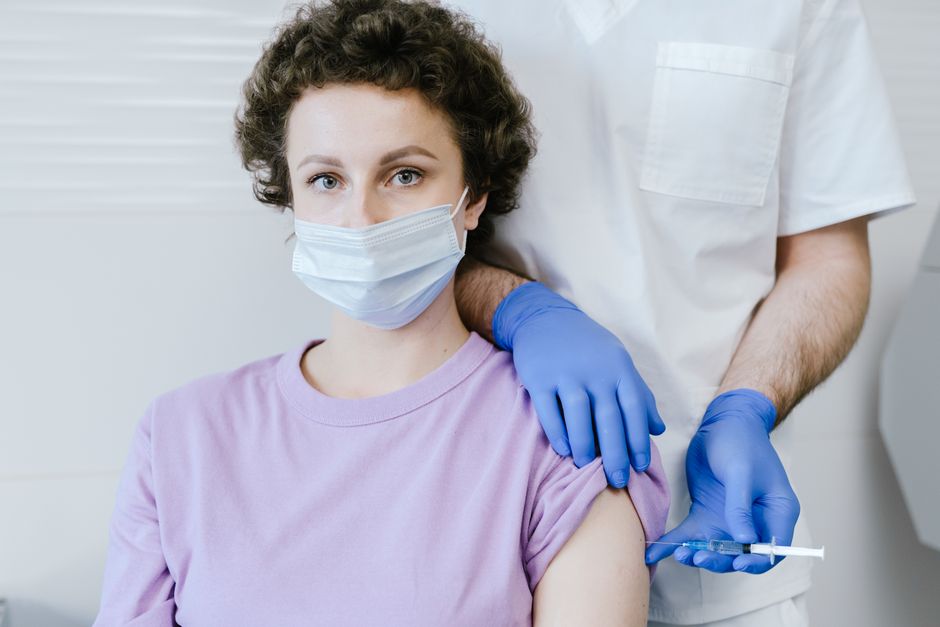
Getting a Covid vaccine is a straightforward process for most people, but a little preparation can make the experience smoother. The main things to do are simple: stay hydrated, eat a normal meal beforehand, and wear a short-sleeved shirt. Most importantly, you should plan to rest afterward, as your body builds immunity over the next day or two. You do not need to do anything special to “boost” your immune system beforehand, and you should continue taking any regular medications as prescribed.
What To Do Before Getting A Covid Vaccine: The Basics
Start with the simple logistics. Schedule your appointment at a time when you do not have pressing obligations for the following 24 hours. This is not because you will definitely feel sick, but because some people do experience mild side effects like fatigue or a low-grade fever.
Wear clothing that gives easy access to your upper arm. A t-shirt or a loose short sleeve is ideal. This makes the injection quick and comfortable for both you and the clinician.
Bring your insurance card and a photo ID if you have them, though many sites do not require them for the Covid vaccine. If it is your second dose, bring your vaccination card so the provider can update it. If you have lost your card, contact the pharmacy or clinic where you received your first dose.
Should You Eat or Drink Before Your Appointment?
Yes. Eat a regular meal and drink water before your appointment. There is no medical reason to fast before a Covid vaccine. Having food in your stomach can help prevent lightheadedness, which some people experience with any injection.
Dehydration can make veins harder to find and can increase the chance of feeling faint. Drinking a glass or two of water in the hours before your appointment is a reasonable step. Avoid alcohol the night before, as it can dehydrate you and may worsen any mild side effects.
Should You Take Pain Relievers Before the Shot?
No. Do not take acetaminophen (Tylenol), ibuprofen (Advil, Motrin), or aspirin before your vaccine to try to prevent side effects. This is a specific recommendation from public health authorities.
The concern is that these medications might dampen the immune response your body needs to build after the vaccine. The evidence here is not fully conclusive, but the guidance is clear: do not pre-medicate. If you develop a headache, fever, or arm soreness after the shot, it is fine to take these medications then. Just not before.
If you take a daily pain reliever for a chronic condition like arthritis, do not stop it. Keep taking your regular medications as prescribed. The advice against pre-medicating applies to taking a dose specifically for the vaccine.


What About Your Regular Medications?
Continue all your prescription medications as usual. This includes blood pressure medications, diabetes medications, and blood thinners. There is no need to stop any of these before a Covid vaccine.
If you take a blood thinner, you can still receive the vaccine. The needle used is very small, and the injection is into the muscle, not a vein. The risk of significant bleeding is very low. You might notice a slightly larger bruise, which is harmless. Do not stop your blood thinner without talking to your doctor first.
If you have had a severe allergic reaction to any vaccine or injection in the past, tell the person giving you the vaccine. They will keep you for observation for 15 to 30 minutes after the shot. This is a standard safety measure.
What To Do If You Are Sick or Have Been Exposed
If you are actively sick with Covid, do not go to your appointment. You should wait until your isolation period is over and your symptoms have improved. The vaccine will not harm you if you have Covid, but it is better to wait until you have recovered.
If you have a mild cold with no fever, it is generally fine to get vaccinated. If you have a fever or feel significantly unwell, reschedule. The main reason is that if you develop symptoms after the vaccine, it is confusing to know whether they are from the vaccine or from your illness.
If you were recently exposed to someone with Covid, get tested before your appointment if possible. If you are positive, reschedule. If you are negative and have no symptoms, you can proceed with your vaccine appointment.
What To Expect After the Shot
You will likely be asked to wait 15 minutes after your injection before leaving. This is to monitor for any immediate allergic reaction. If you have a history of severe allergies, you may be asked to wait 30 minutes.
Common side effects include soreness at the injection site, fatigue, headache, muscle aches, and low-grade fever. These are normal signs that your immune system is responding. They typically start within 12 hours and resolve within 24 to 48 hours.
Plan to take it easy for the rest of the day. You do not need to stay in bed, but do not plan a heavy workout or a late night. Move your arm normally to reduce soreness. A cool compress on the injection site can help if it feels tender.
Does What You Do Before Affect How Well It Works?
The single biggest factor in how well the vaccine works is whether you get it at all and complete the recommended series. For most people, that is the full story.
There is no proven way to “boost” your immune response before the vaccine. Some online sources suggest taking high-dose vitamins or supplements beforehand. No clinical evidence confirms that this improves vaccine effectiveness. Eating a normal diet and getting adequate sleep are reasonable general health practices, but they are not a vaccine preparation strategy.
Chronic stress and poor sleep can affect immune function in general. If you can get a decent night of sleep before your appointment, that is a sensible step. But do not stress about the stress. The vaccine works well for the vast majority of people regardless of their sleep habits on any given night.
Should You Get It If You Are Pregnant or Breastfeeding?
Yes. Current guidance recommends that people who are pregnant, breastfeeding, or trying to become pregnant receive the Covid vaccine. The evidence indicates that the vaccine is safe in pregnancy and that it provides protection to both the parent and the infant.
If you have specific concerns, talk to your obstetrician or midwife. They can discuss your individual situation. But the general clinical position is clear: vaccination is recommended during pregnancy.
Frequently Asked Questions
Can I take Tylenol before my Covid vaccine?
No. Do not take pain relievers before your vaccine to try to prevent side effects. You can take them after the shot if you develop a headache, fever, or body aches.
What should I eat before getting a Covid vaccine?
Eat a normal meal and drink water beforehand. There is no special diet required, and fasting is not necessary.
Should I get the Covid vaccine if I have a cold?
If you have a mild cold with no fever, it is generally fine to get vaccinated. If you have a fever or feel significantly unwell, reschedule your appointment.
Can I drink alcohol before getting the Covid vaccine?
It is best to avoid alcohol the night before your appointment. Alcohol can dehydrate you, which may increase the chance of feeling faint during the injection.
