
Standard precautions are the minimum infection prevention practices that apply to all patient care, regardless of suspected or confirmed infection status. The Centers for Disease Control and Prevention (CDC) recommends these precautions as the foundation for preventing the spread of infections in healthcare settings. The World Health Organization (WHO) also endorses these same core principles globally.
Who Recommends Standard Precautions For Infection Control?
The CDC and the WHO are the primary authorities that recommend standard precautions. In the United States, the CDC’s Healthcare Infection Control Practices Advisory Committee (HICPAC) develops and updates these guidelines. Hospitals, clinics, and other healthcare facilities adopt these recommendations as their official policies. State health departments and professional nursing and medical organizations also endorse them.
These precautions apply to every patient encounter. You do not need to know a patient’s diagnosis to use them. The assumption is that any person could carry a transmissible infection, even without symptoms. This approach protects both healthcare workers and patients.
What Exactly Are Standard Precautions?
Standard precautions combine several practices that work together. They are not optional add-ons. They are the baseline for safe care in any setting where healthcare is delivered.
- Hand hygiene: Washing hands with soap and water or using alcohol-based hand sanitizer before and after patient contact.
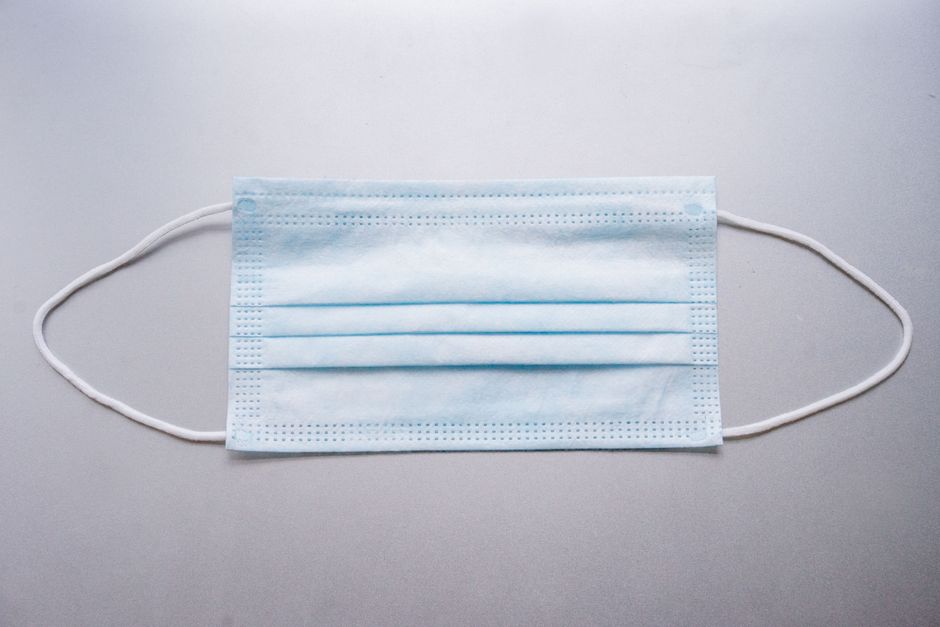
- Personal protective equipment (PPE): Gloves, gowns, masks, and eye protection used based on the expected exposure.
- Respiratory hygiene and cough etiquette: Asking patients to cover coughs and sneezes and providing masks to symptomatic patients.
- Safe injection practices: Using sterile equipment and never reusing needles or syringes.
- Safe handling of contaminated equipment: Cleaning and disinfecting reusable medical equipment between patients.
- Environmental cleaning: Routine cleaning and disinfection of surfaces in patient care areas.
- Handling of linens and laundry: Preventing contamination of skin and clothing when moving soiled linens.
These practices are based on the principle that blood, body fluids, secretions, excretions, non-intact skin, and mucous membranes may contain infectious agents. Treating all of these materials as potentially infectious is the core idea.
Why Were Standard Precautions Created?
Standard precautions replaced an older system called universal precautions in 1996. Universal precautions focused only on bloodborne pathogens like HIV and hepatitis B. The CDC recognized that this approach missed other important routes of transmission. Body fluids, respiratory droplets, and contaminated surfaces all play a role in spreading infections.
The shift to standard precautions broadened the scope. It became a comprehensive system covering all potential sources of infection, not just blood. This change reflected a better scientific understanding of how healthcare-associated infections spread. It also simplified training because one set of practices applies to every patient.




When Are Transmission-Based Precautions Added?
Standard precautions are always in effect. Transmission-based precautions are added when a patient has a known or suspected infection that requires extra measures. These are layered on top of standard precautions, not used instead of them.
There are three categories of transmission-based precautions:
- Contact precautions: For infections spread by direct or indirect contact, such as MRSA or C. difficile. Healthcare workers wear gloves and gowns for every patient interaction.
- Droplet precautions: For infections spread by large respiratory droplets, such as influenza or pertussis. A surgical mask is worn within close range of the patient.
- Airborne precautions: For infections spread by tiny particles that remain suspended in air, such as tuberculosis or measles. An N95 respirator or higher-level protection is required, and the patient is placed in a negative pressure room.
Deciding which precautions to use requires a clinical assessment. The diagnosis determines the category. Until a diagnosis is confirmed, healthcare workers apply standard precautions to everyone. Some facilities add precautions based on symptoms, such as a cough or rash, while awaiting test results.
Do Standard Precautions Apply Outside Hospitals?
Yes. Standard precautions are not limited to hospitals. They apply to any setting where healthcare is provided. This includes clinics, dental offices, nursing homes, urgent care centers, dialysis centers, and home healthcare.
Emergency medical services personnel use standard precautions during every ambulance call. Laboratory staff use them when handling specimens. Dental professionals use them for every patient procedure. The same principles apply whether the setting is a large academic medical center or a small rural clinic.
Even non-clinical settings may adopt these principles. Schools, correctional facilities, and workplaces with first aid programs often follow simplified versions. The core practices — hand hygiene and avoiding contact with blood or body fluids — are universal.
What Evidence Supports Standard Precautions?
Research consistently shows that standard precautions reduce healthcare-associated infections. Hand hygiene alone has been shown in multiple studies to lower infection rates. The evidence is strongest for hand hygiene, which is considered the single most effective measure.
Studies have demonstrated that adherence to standard precautions reduces the transmission of multidrug-resistant organisms. Outbreaks of infections in healthcare settings are frequently linked to lapses in these basic practices. Reusable equipment that is not properly cleaned between patients has been traced to several outbreaks.
The evidence for PPE is well established for specific situations. Gloves prevent hand contamination. Gowns prevent clothing contamination. Masks and eye protection prevent mucous membrane exposure. The effectiveness of each component depends on correct use and proper technique.
Some research suggests that compliance among healthcare workers is not universal. Studies have found that adherence rates vary widely across settings and among different categories of workers. This gap between knowledge and practice remains a major challenge in infection prevention.
What Are Common Misconceptions About Standard Precautions?
One misconception is that standard precautions are only needed for patients who look sick. Many infections are contagious before symptoms appear. A patient can carry and transmit an organism without showing any signs of illness. This is exactly why the precautions apply universally.
Another misconception is that gloves replace hand hygiene. Gloves are not a substitute for washing hands. Hands must be cleaned before putting on gloves and after removing them. Gloves can have tiny defects, and hands can become contaminated during glove removal. Hand hygiene remains essential at every step.
Some people believe that standard precautions are only about protecting healthcare workers. They also protect patients from each other. A healthcare worker who moves between patients can transfer organisms on hands, clothing, or equipment. Standard precautions break this chain of transmission.
A third misconception is that disinfecting wipes are effective on visibly dirty surfaces. Organic material like blood or body fluids can protect microorganisms from disinfectants. Visible soiling must be removed first, then the surface can be disinfected. This two-step process is critical for proper environmental cleaning.
How Can Patients Help With Infection Prevention?
Patients and visitors play a role in infection prevention. Practicing good hand hygiene is the most important action. Washing hands after using the restroom, before eating, and after touching surfaces in healthcare settings reduces risk.
Patients should speak up if a healthcare worker has not washed hands or put on gloves. Asking questions about hygiene is appropriate and encouraged in most facilities. Patients can also follow respiratory etiquette by covering coughs and sneezes and wearing a mask if symptomatic.
Staying up to date on recommended vaccinations is another preventive measure. Vaccines protect against infections that can spread in healthcare settings, such as influenza and COVID-19. Patients with chronic conditions should also follow their treatment plans to reduce the risk of infections that require hospitalization.
Frequently Asked Questions
Who created standard precautions for infection control?
The CDC created standard precautions in 1996, replacing the earlier universal precautions system. The WHO later adopted and promoted these same principles internationally.
What is the difference between standard precautions and universal precautions?
Universal precautions applied only to blood and certain body fluids. Standard precautions cover all body fluids, secretions, excretions, non-intact skin, and mucous membranes, making them a broader and more comprehensive approach.
Do standard precautions apply to all patients or only diagnosed infections?
Standard precautions apply to every patient in every healthcare encounter. You do not need a diagnosis of infection because the system assumes any person could be carrying a transmissible organism without symptoms.
Are standard precautions legally required in healthcare facilities?
Healthcare facilities are required by accreditation standards and occupational safety regulations to have infection control programs. Standard precautions form the foundation of these programs, and regulatory agencies can cite facilities for failing to follow them.
