
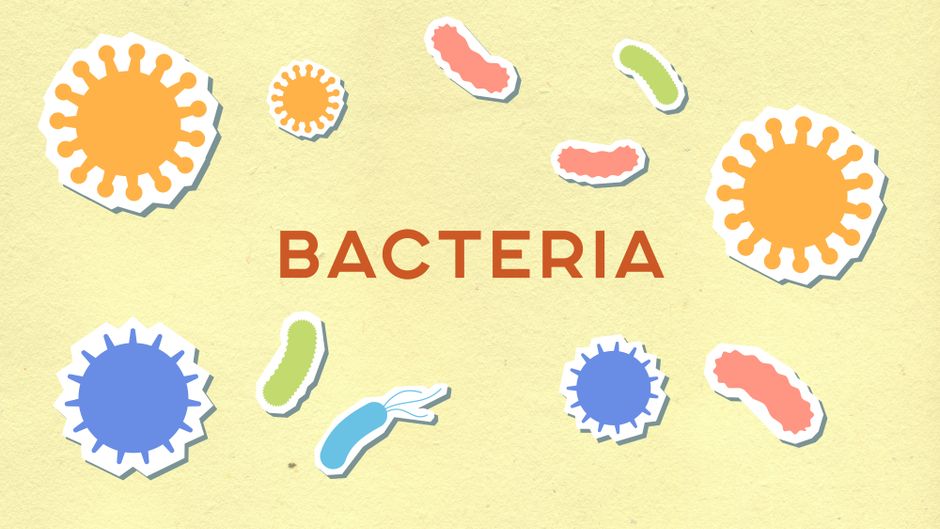
Recovering from a bacterial infection takes time, but the right steps can help you feel better sooner and prevent complications. The fastest way to recover is to take antibiotics exactly as prescribed, rest more than you think you need, and stay well-hydrated. Beyond that, your body needs consistent sleep and proper nutrition to fight off the infection effectively.
Why Rest Is Non-Negotiable During Recovery
Your immune system does its hardest work while you sleep. During deep sleep, your body releases cytokines—proteins that target infection and reduce inflammation. Skipping sleep or pushing through fatigue directly slows this process down.
Studies have shown that even one night of poor sleep can reduce the activity of natural killer cells, which are part of your immune system’s first line of defense. During a bacterial infection, your body is already under strain. Adding sleep deprivation makes the fight harder.
This does not mean you need to be bedridden for a week. But it does mean you should listen to your body. If you feel tired, rest. If you feel okay sitting up, light activity is fine. The key is to avoid pushing yourself to the point of exhaustion, which can prolong illness.
How To Recover Fast From A Bacterial Infection With Hydration
Fever, sweating, and reduced fluid intake are common during infections. All three deplete your body’s water supply. Even mild dehydration thickens mucus, reduces blood volume, and makes it harder for immune cells to travel where they are needed.
Water is the best choice. You do not need sports drinks or electrolyte supplements unless you have been vomiting or have had diarrhea for more than a day. In those cases, an oral rehydration solution can help replace lost electrolytes.
A simple target is to drink enough so your urine is light yellow or clear. Dark yellow urine is a sign you are behind on fluids. If you have a fever, your fluid needs go up—add an extra glass or two of water for every degree of fever you run.
Antibiotics: What They Can And Cannot Do
Antibiotics are the only treatment that directly kills or stops bacteria from multiplying. But they do not work instantly. Most people start feeling some improvement within 48 to 72 hours of starting the right antibiotic. Full recovery often takes longer.
Take every dose exactly as prescribed. Do not stop early because you feel better. Stopping early can leave the strongest bacteria alive, which may lead to a relapse or contribute to antibiotic resistance.
Do not double up on a missed dose unless your doctor or pharmacist tells you to. If you miss a dose, take it as soon as you remember—unless it is almost time for the next dose. In that case, skip the missed one and continue your normal schedule.
Antibiotics do not treat viral infections. If your illness is viral, taking antibiotics will not help and can cause side effects like diarrhea or yeast infections. Your doctor can confirm whether bacteria are the cause before prescribing.


Nutrition That Supports Immune Recovery
Your immune system needs fuel. During an infection, your body’s metabolic rate increases. That means you burn more calories than usual, even at rest. Eating enough protein is especially important because antibodies and immune cells are made of protein.
Good protein sources include eggs, chicken, fish, beans, lentils, and Greek yogurt. If your appetite is low, smaller meals more frequently can be easier to manage than three large ones.
Some research suggests that certain nutrients play specific roles in immune function. Vitamin C supports the function of immune cells, and zinc is involved in immune cell development. However, taking high doses of these supplements during an active infection has not been consistently proven to shorten illness in clinical trials.
Your best approach is to eat a balanced diet rather than relying on supplements. If you have a known deficiency—such as low vitamin D or low iron—correcting it may help your immune system. But there is no evidence that mega-dosing vitamins speeds up recovery from a bacterial infection.
When To Call Your Doctor
Some signs mean your infection is not improving or is getting worse. Contact your doctor if you have any of the following:
- No improvement after 72 hours of antibiotics
- Worsening symptoms instead of improving ones
- Fever that does not come down or returns after improving
- Difficulty breathing or chest pain
- Severe headache, stiff neck, or confusion
- Signs of dehydration, such as dizziness or not urinating for 8 hours
These symptoms can indicate that the antibiotic is not working, that the infection has spread, or that a complication has developed. Do not wait to see if they pass on their own.
If you develop a rash while taking antibiotics, call your doctor. Some rashes are harmless, but others can be early signs of an allergic reaction. A rash accompanied by swelling of the face or lips, or trouble breathing, is a medical emergency—call 911.
What Not To Do While Recovering
Alcohol and antibiotics do not mix well. Alcohol can worsen side effects like nausea and dizziness, and it dehydrates you. For some antibiotics, alcohol can cause serious reactions. Check with your pharmacist about your specific medication.
Do not take leftover antibiotics from a previous illness. The antibiotic may be the wrong one for your current infection, and the dose may be too low or too high. This is how resistance develops.
Avoid intense exercise while your body is fighting an infection. High-intensity workouts temporarily suppress immune function. Light walking is fine if you feel up to it, but save heavy lifting or interval training until you are fully recovered.
Do not use over-the-counter cough suppressants if you have a productive cough. Coughing helps clear infected mucus from your lungs. Suppressing it can trap bacteria in your airways. If a cough is keeping you from sleeping, ask your doctor what is safe to use.
How Long Does Recovery Actually Take?
Recovery time depends on the type of infection and how severe it is. A mild urinary tract infection may improve within a few days of antibiotics. Pneumonia can take weeks. Strep throat typically improves within 48 hours of starting antibiotics, but the sore throat may linger for several more days.
Feeling better does not mean you are fully recovered. Your body needs additional time to repair tissue and rebuild immune reserves. It is normal to feel tired for a week or more after the acute symptoms resolve.
Returning to work or school before you are ready increases the risk of a setback. It also risks spreading the infection to others. For most bacterial infections, you are no longer contagious after 24 to 48 hours of effective antibiotics. But check with your doctor for specific guidance on your condition.
Frequently Asked Questions
Can I speed up recovery with vitamin C or zinc?
No strong evidence shows that high-dose supplements shorten a bacterial infection once it has started. A balanced diet supports immune function, but supplements are not a proven shortcut.
How soon after starting antibiotics will I feel better?
Most people notice improvement within 48 to 72 hours of starting the right antibiotic. If you see no improvement after three days, contact your doctor.
Is it safe to exercise while recovering from a bacterial infection?
Light activity like walking is generally fine if you feel up to it. Intense exercise can temporarily suppress immune function and should wait until you are fully recovered.
Can I stop antibiotics when I feel better?
No. Finish the full course your doctor prescribed, even if symptoms are gone. Stopping early can allow surviving bacteria to multiply and may contribute to antibiotic resistance.
