
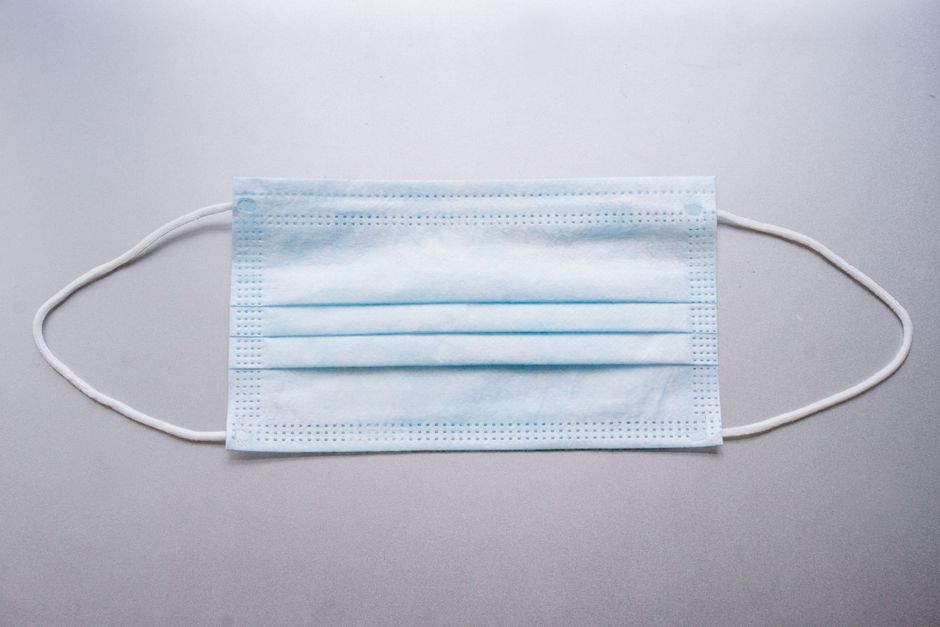
Droplet precautions are a set of infection control practices used in healthcare settings to prevent the spread of germs that travel through the air in large droplets. When a person coughs, sneezes, talks, or sings, they release tiny liquid particles. Larger ones—typically those bigger than 5 micrometers—do not hang in the air for long. They fall to the ground quickly, usually within about 3 to 6 feet of the person who released them. These are called droplets. The precautions are designed to stop these droplets from reaching your eyes, nose, or mouth.
How Do Droplets Spread Infection?
Droplet transmission happens when a sick person releases these larger particles and another person inhales them or gets them on their mucous membranes. Your eyes, nose, and mouth are the entry points. If you are close enough to someone who is sick—typically within 3 to 6 feet—you are at risk of exposure.
This is different from airborne transmission. Airborne germs are much smaller. They can stay suspended in the air for hours and travel farther than 6 feet. Measles and chickenpox spread this way. Droplet germs are heavier and fall faster. This difference matters because the precautions for each type are different.
Some common germs spread by droplet transmission include influenza, respiratory syncytial virus (RSV), and the bacteria that cause whooping cough and bacterial meningitis. The virus that causes COVID-19 can spread through both droplets and smaller airborne particles, which is why precautions for it have been more complex.
What Are the Standard Droplet Precautions?
Healthcare workers follow a specific set of steps when caring for a patient on droplet precautions. These steps are standardized and taught in hospitals and clinics across the United States.
- Placement: The patient is placed in a private room when possible. If a private room is not available, patients with the same confirmed infection can share a room.
- Masking: Healthcare workers must wear a surgical mask when entering the patient’s room. A standard surgical mask blocks large droplets effectively.
- Distance: If a private room is not available, the patient’s bed should be at least 6 feet away from other patients’ beds.
- Patient masking: When the patient needs to leave the room for tests or procedures, they should wear a surgical mask. This contains their own droplets.
- Hand hygiene: Hands must be cleaned before and after glove use and after touching the patient or their surroundings.
Gloves and gowns are used based on the risk of contact with body fluids. They are not always required for droplet precautions alone. Eye protection may be added if there is a risk of splashes or sprays.
Visitors are typically instructed to wear a mask and follow the same distance rules. Hospitals post signs on the door to remind everyone who enters about the precautions.
How Do Droplet Precautions Differ From Contact and Airborne Precautions?
Infection control uses three main types of transmission-based precautions. Each one matches how a specific germ spreads.
Contact precautions are for germs that spread by touching contaminated surfaces or skin. Healthcare workers wear gloves and gowns. MRSA and C. difficile are examples of germs that require contact precautions.
Airborne precautions are for germs that stay suspended in the air. These require an N95 respirator or higher-level mask, a negative pressure room, and strict door management. Tuberculosis and measles require airborne precautions.
Droplet precautions sit between these two. The germs are heavier than airborne particles but still travel through the air briefly. A surgical mask provides adequate protection for healthcare workers in most droplet situations.
A single infection may require more than one type of precaution. For example, a patient with influenza needs droplet precautions plus standard precautions. A patient with a skin infection that also causes respiratory symptoms may need both contact and droplet precautions.




Why Are Droplet Precautions Important?
Droplet precautions are one of the most effective tools hospitals have to prevent the spread of respiratory infections. They work because they interrupt the chain of transmission at a specific point—the moment droplets travel from one person to another.
Research consistently shows that consistent use of these precautions reduces hospital-acquired infections. When healthcare workers follow the protocol correctly, the risk of spreading influenza and other respiratory viruses drops significantly. This protects not only other patients but also the healthcare workers themselves.
These precautions also help protect the most vulnerable patients. People with weakened immune systems, older adults, and young infants are at higher risk of severe complications from respiratory infections. Preventing the initial exposure is far more effective than treating the illness after it starts.
From a public health perspective, droplet precautions reduce the overall burden of disease. Every infection prevented in a hospital is one less person who can spread it to their family and community after discharge.
What Should Patients and Visitors Do?
If you are a patient on droplet precautions, your care team will explain the rules. You will likely be asked to wear a mask when staff enter the room or when you leave the room. This is not for your protection—it is to protect everyone else from your germs.
Visitors should ask the nursing staff before entering a room with a droplet precaution sign. They will be given a mask and instructions. Visitors should not touch the patient’s mask or remove it. Hand hygiene before and after the visit is essential.
It is normal to feel isolated when you are on precautions. The restrictions exist for a short time—usually until the patient is no longer contagious. The healthcare team will tell you when the precautions are no longer needed, based on the specific infection and treatment progress.
Patients and families can help by asking questions. If you do not understand why a precaution is in place or how long it will last, ask the nurse or doctor. Clear communication reduces the risk of errors and improves cooperation.
Do Droplet Precautions Apply Outside Hospitals?
The same principles apply at home and in the community, though they look different. When you are sick with a respiratory infection, covering your mouth when you cough and wearing a mask when you are around others are the practical equivalents of droplet precautions.
Physical distance matters. Staying at least 6 feet away from others when you are sick reduces the chance of spreading droplets. Good ventilation also helps. Opening windows or using air filtration reduces the concentration of droplets in indoor spaces.
Hand hygiene remains important even though droplets travel through the air. When you cough into your hand and then touch a doorknob, you have transferred germs to the surface. Someone else touches that doorknob and then touches their face—that is how droplet germs often spread indirectly.
The COVID-19 pandemic changed how many people think about respiratory precautions. The public became familiar with masks, distancing, and ventilation. These measures are not new to infection control specialists—they have been standard practice in hospitals for decades.
Frequently Asked Questions
How long do droplet precautions last?
Droplet precautions last until the patient is no longer contagious, which varies by infection. The healthcare team determines this based on the specific illness, treatment, and sometimes testing.
Do I need an N95 mask for droplet precautions?
No, a standard surgical mask is sufficient for most droplet precautions. An N95 respirator is reserved for airborne precautions where smaller particles are the concern.
Can family members visit someone on droplet precautions?
Yes, visitors are typically allowed but must wear a surgical mask and follow the same distance and hand hygiene rules as staff. Check with the nursing team for specific hospital policy.
What is the difference between droplet and airborne transmission?
Droplets are larger particles that fall to the ground within about 6 feet, while airborne particles are smaller and can stay suspended in the air for hours. This is why airborne precautions require higher-level masks and negative pressure rooms.
